
Flowers
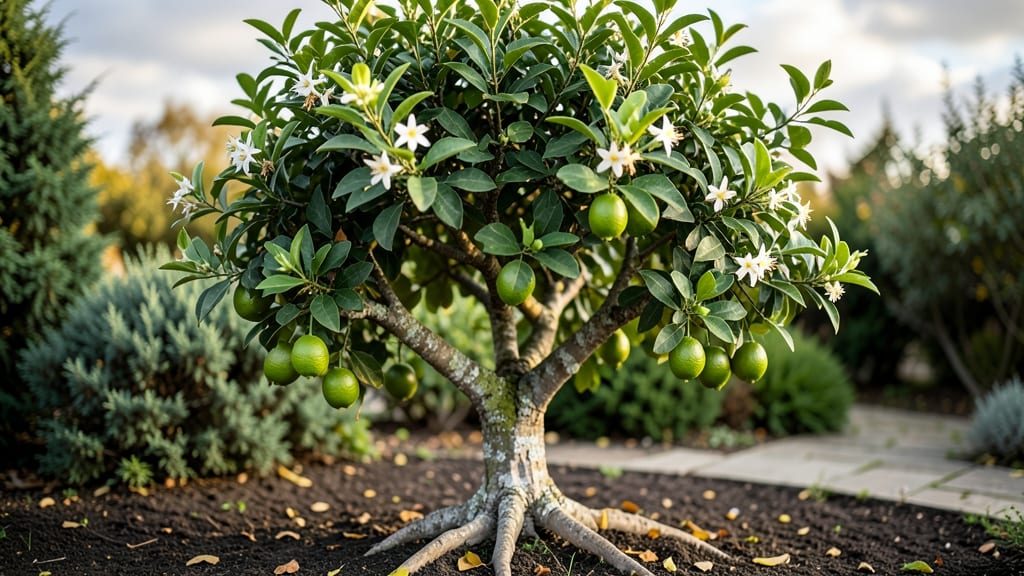
Transforming a lemon tree’s delicate white flowers into sweet, ripe fruit is a patient process that hinges on timing, care, and a few key tricks you might be missing.
Watching a lemon tree bloom is exciting—until you realize those flowers aren’t turning into fruit. The truth is, most home gardeners overlook the critical stages between pollination and harvest, leaving their trees to drop blooms or produce sparse yields.
Whether you’re in Zone 9b or a cooler climate, understanding the biological steps and environmental factors can turn your citrus tree into a year-round producer.
From the moment those fragrant blossoms appear to the day you pluck a juicy lemon, there are five distinct stages your tree must navigate—and each one needs the right conditions to succeed.
Poor pollination, temperature swings, or even overwatering can derail the process, but with the right approach, you can maximize fruit set and enjoy a bountiful harvest.
In this guide, I’ll walk you through the exact stages from flower to fruit, troubleshoot common pitfalls, and share proven tips to ensure your lemon tree 🍋 doesn’t just bloom—it bears fruit like a pro.
The 5 critical stages from lemon tree flower to fruit development
Understanding the journey from a lemon tree flower to a ripe fruit helps you troubleshoot issues before they become permanent problems. Each stage—from pollination to ripening—requires specific conditions, and missing just one can mean no harvest.
I’ve grown lemons in Zone 9b for years, and these stages are where I’ve seen the biggest differences between a fruitful tree and one that just blooms beautifully.
Most gardeners focus on planting and watering but overlook the biological timeline of fruit development. Without knowing what to watch for, you might miss critical cues like fruit set failure or aborted growth.
Let’s break down each stage with visual cues and timeframes so you can identify where your tree might be struggling.
🌱 The 5 Stages of Lemon Fruit Development
-
Stage 1: Flowering (Bloom)
📍 Timeframe: 3-5 days per bloom cycle
🔍 Visual Cues: White, fragrant flowers appear in clusters; petals fully open by day 3 -
Stage 2: Pollination (Fertilization)
📍 Timeframe: 24-48 hours after bloom
🔍 Visual Cues: Flowers wilt and drop; tiny green fruit buds (size of a pea) form within 7-10 days -
Stage 3: Fruit Set (Cell Division)
📍 Timeframe: 2-4 weeks post-pollination
🔍 Visual Cues: Buds grow to marble-sized fruits (0.5 inches); color shifts from green to pale yellow-green -
Stage 4: Growth (Cell Expansion)
📍 Timeframe: 4-6 months
🔍 Visual Cues: Fruits grow rapidly (1-3 inches); skin thickens; seed development becomes visible -
Stage 5: Ripening (Color & Flavor)
📍 Timeframe: 3-6 months (varies by variety)
🔍 Visual Cues: Uniform yellow color (no green patches); skin firm but yields slightly to touch; aromatic scent develops
⚠️ Critical Note: Most fruit drop occurs in Stage 3 or 4 due to stress, nutrient deficiency, or poor pollination.
In Stage 1 (Flowering), your lemon tree produces clusters of white, fragrant blooms that last about 3-5 days. This is your first clue that fruit development is underway. However, not all flowers will turn into fruit—some are sterile or fail to pollinate.
The key here is ensuring your tree has enough bees or wind for pollination, especially if you’re in a low-pollinator area.
During Stage 2 (Pollination), the magic happens when pollen transfers to the pistil of the flower. If pollination fails, flowers will drop without forming fruit. Look for tiny green buds appearing within 7-10 days of bloom—this confirms successful fertilization.
If you don’t see these buds, your tree might need hand-pollination or a boost in phosphorus-rich fertilizer.
Stage 3 (Fruit Set) is where many gardeners see problems. The marble-sized fruits that form are highly sensitive to temperature fluctuations, water stress, or nutrient deficiencies. If your tree drops fruit at this stage, check for overwatering (root rot) or underwatering (drought stress). A balanced citrus fertilizer applied now can help stabilize growth.
By Stage 4 (Growth), your lemons should be growing rapidly, reaching 1-3 inches in diameter. This is the longest stage, lasting 4-6 months, and requires consistent watering and sunlight.
Prune any shaded branches to ensure even fruit development. If fruits remain small or stay green, your tree may need more potassium or sun exposure.
Finally, Stage 5 (Ripening) is when your hard work pays off. The shift from green to bright yellow and the development of a sweet, tangy aroma signal that lemons are ready to harvest.
In Zone 9b, this typically happens 9-12 months after flowering, but cooler zones may take longer. Harvest when the skin is firm and lemons detach easily—a sure sign of peak ripeness.
Each stage offers clues about what’s working—or what’s not—in your lemon tree’s fruit development. By recognizing these visual cues and timeframes, you can intervene early to save your harvest.
Next, we’ll tackle common reasons lemon trees drop flowers or fruit and how to fix them before it’s too late. 🍋
Common reasons lemon trees drop flowers or fruit (and how to fix them)
If your lemon tree 🍋 blooms beautifully but then drops flowers or fruit, you’re not alone—this is one of the most common frustrations for citrus growers. The issue usually stems from environmental stressors or simple care mistakes that disrupt the delicate transition from flower to fruit.
Understanding these triggers can save your harvest and turn your tree into a productive powerhouse.
Lemon trees are sensitive to changes in their growing conditions, and even small shifts in temperature, watering, or nutrient balance can cause them to abort flowers or young fruit. The good news?
Most of these problems are easily fixable with the right adjustments. Let’s break down the top reasons your lemon tree might be dropping blooms or fruit—and how to correct them before it’s too late.
⚠️ Warning: Your Lemon Tree is Dropping Fruit Due to These 3 Critical Mistakes
1. Temperature Stress: Lemon trees thrive in 60-85°F ranges. Cold snaps (<50°F) or heatwaves (>90°F) shock the tree, causing it to drop flowers or fruit prematurely. Even a single night below 55°F can trigger abortion.
2. Overwatering or Underwatering: Soggy soil suffocates roots, while drought stress forces the tree to conserve energy by dropping fruit. Check soil moisture—it should feel like a damp sponge, not a swamp or a dry brick.
3. Nutrient Imbalance: Too much nitrogen (common in lawn fertilizers) promotes leafy growth at the expense of fruit, while low phosphorus or potassium weakens the tree’s ability to retain fruit. A citrus-specific fertilizer (6-6-6 or 8-3-9 NPK) is essential.
Let’s tackle these issues one by one. First, temperature fluctuations are a silent killer for lemon trees. If you’re in a cooler climate (like Zone 8a), protect your tree from late spring frosts by covering it with frost cloth or moving potted trees indoors.
In hot climates, provide afternoon shade during heatwaves to prevent stress. Even a 10°F drop at the wrong time can cause flowers to fall like rain.
Next, watering habits are often the culprit. Lemon trees hate wet feet, but they also can’t handle drought. The key is consistent moisture: water deeply every 3-5 days in spring/summer, letting the top 2 inches of soil dry out between waterings.
In winter, reduce watering to every 10-14 days. Use a moisture meter or stick your finger 2 inches deep—if it’s dry, water; if it’s soggy, hold off.
Finally, nutrient deficiencies or excesses can sabotage fruit retention. Over-fertilizing with high-nitrogen products (like lawn fertilizer) leads to lush foliage but fewer fruits. Instead, use a citrus-specific fertilizer every 6-8 weeks during growing season (spring-fall).
For extra insurance, add Epsom salt (1 tbsp/gallon of water) monthly to boost magnesium, which prevents fruit drop. If your tree’s leaves are yellowing between veins, it’s a sign of magnesium deficiency—time to act fast!
With these adjustments, your lemon tree should start holding onto its fruit like a pro. Keep an eye on soil health, temperature stability, and balanced nutrition, and you’ll be plucking ripe lemons in no time. 🌱