
Flowers
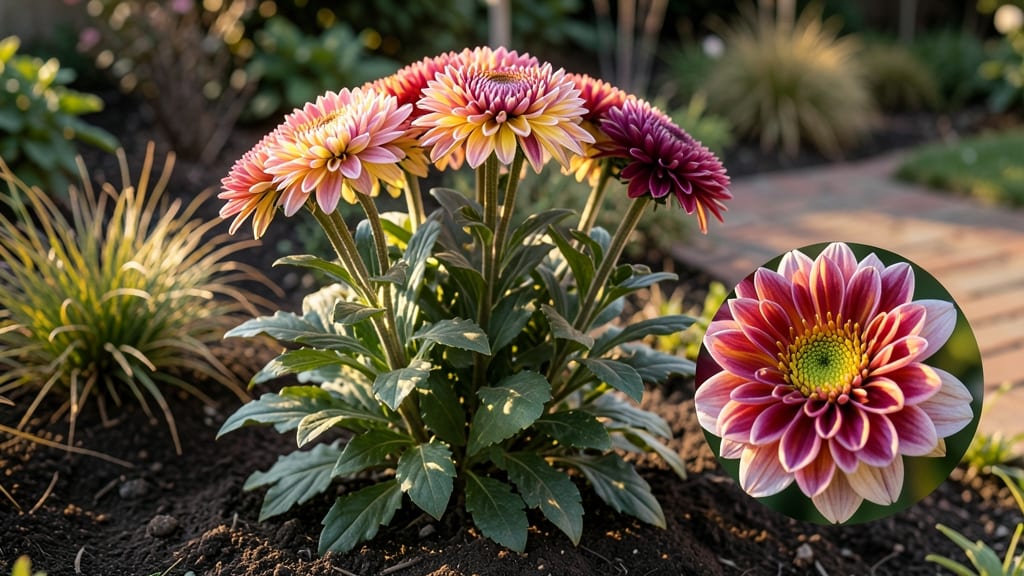
The mums flowers bloom time in late summer to early fall 🌼, but getting them to last until the first frost depends on when you plant them—and where you live.
If you’ve ever planted mums flowers only to watch them wilt before they bloom—or worse, freeze overnight—you’re not alone. Timing their planting and bloom cycles to your USDA zone is the secret to vibrant, frost-free blooms that last until the first hard frost.
In Zone 6a, where many gardeners live, the ideal planting window is August to September for fall color that peaks in September and October. But the exact bloom time shifts depending on whether you choose early, mid-season, or late varieties—and how you prep the soil and water them.
Below, I break down the USDA zone deadlines for planting, how to extend their bloom time, and the simple tricks that keep your mums looking fresh right up until winter sets in.
When do mums flowers bloom? USDA zone deadlines by region
Timing is everything when it comes to mums flowers bloom time. These cheerful blooms thrive in late summer to early fall, but their exact bloom windows depend heavily on your USDA zone.
Plant too early, and they’ll bolt in heat; too late, and frost will nip them before they show their colors. Let’s break down the ideal bloom windows by zone so you can plan for vibrant, frost-free displays.
Mums are divided into early, mid-season, and late-blooming varieties, each with its own timeline. Early bloomers like 'Jolinda' start as early as late August in warmer zones, while late varieties such as 'Autumn Joy' may hold on until mid-November in milder climates.
Understanding your zone’s last frost date is critical—plant too close to frost, and your mums won’t have time to establish roots and bloom.
Below is your USDA zone-by-zone guide to mum bloom times, including planting windows, expected bloom periods, and last frost deadlines. Use this to time your plantings for maximum impact and minimal frost risk.
If you’re in USDA zones 3-4, aim to plant mums by early July to give them enough time to root before frost. In these colder regions, focus on hardy varieties like 'Bonanza Series', which can tolerate light frosts once established.
Early bloomers in these zones may start as late as mid-August, but peak color arrives in September and October.
For zones 5-7, you’ve got more flexibility. Planting in late July to early August ensures blooms by
How to extend mum flower bloom time: pro tips for longer-lasting color
Mums are the stars of fall gardens, but their blooms often fade too soon—especially when frost sneaks in earlier than expected. The key to extending their vibrant display lies in strategic care before, during, and after their peak bloom.
By focusing on soil health, watering discipline, and sunlight optimization, you can coax those Autumn Joy blooms to last weeks longer than average.
Start with the right variety selection. Hardier types like 'Autumn Joy' (a late-season favorite) or 'Pembroke' (disease-resistant) naturally bloom later and tolerate cooler temps better. Pair these with proper planting timing—aim for 4-6 weeks before your first frost—to give roots time to establish before cold sets in.
- Soil Prep: Amend with compost and balanced fertilizer (10-10-10) at planting. Mums thrive in well-draining, slightly acidic soil (pH 6.0–6.5).
- Watering: Keep soil consistently moist but avoid soggy roots. Water deeply in the morning to prevent fungal diseases and evening frost damage.
- Sunlight: Provide 6+ hours of full sun. Partial shade in hot afternoons can prolong blooms in USDA Zones 7–11.
- Deadheading: Snip spent blooms below the next set of leaves to redirect energy to new flowers. Do this weekly during peak bloom.
- Mulching: Apply 2–3 inches of mulch (straw or shredded leaves) around plants in early fall to insulate roots from temperature swings.
Don’t overlook post-bloom care—this is where many gardeners miss the mark. After the first frost, cut back dead foliage to 2–3 inches above ground but leave a few healthy stems for next year’s growth.
In warmer zones (8–11), mums can rebloom in spring with a light fertilizer in early spring and regular deadheading.
For container-grown mums, extend their season by moving pots to a protected spot (like a garage or under an eave) before 28°F temps arrive. Group containers together to retain heat and add bubble wrap around pots for extra insulation. This simple trick can add 2–3 weeks to their display.
Timing is everything with mums. Plant 'Bonanza' series varieties in late summer (August) for earlier fall blooms, while 'Dazzler' types planted in early fall (September) will shine later into October.
Always check your USDA zone—in Zone 5 or colder, opt for hardy types like 'Middleton White' that survive 20°F temps.
With these pro tips, your mums will defy frost and keep your garden glowing until Thanksgiving. The secret? Consistency in care and smart variety choices—no magic required, just garden smarts. 🌼