
Planting
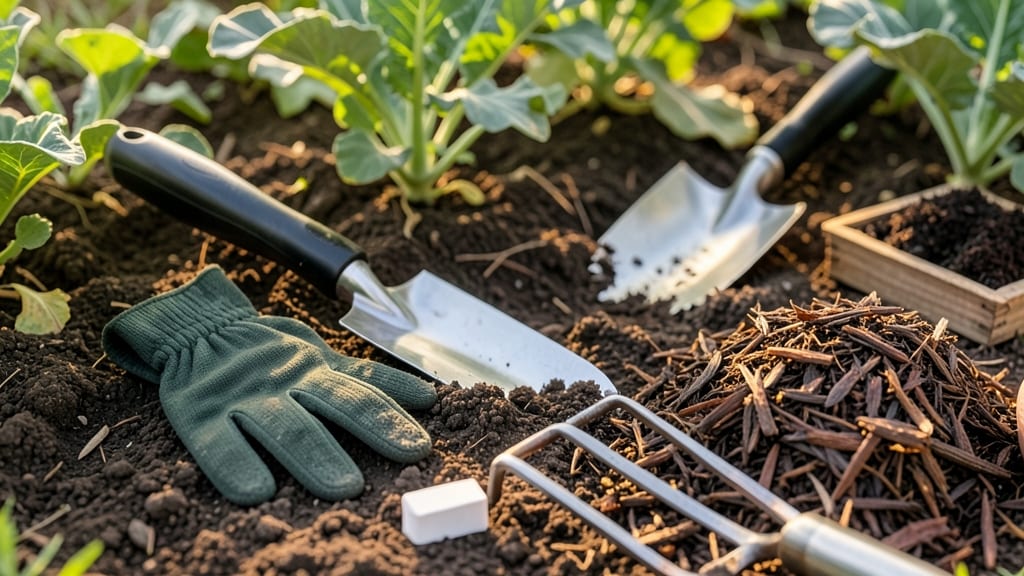
Timing the planting of your 🥬 cauliflower just right keeps frost from turning your hard work into sad, wilted heads.
That first frost can sneak up faster than you think, especially when you’re staring at those little seedlings dreaming of a harvest. One wrong move, and you’re left with nothing but a garden full of disappointment.
But here’s the good news: with the right planting window for your USDA zone, you can avoid the frost trap and grow heads that are firm, flavorful, and ready to harvest by summer.
Below, I’ll walk you through the exact months to plant in your zone, how to prep your soil for success, and even how to stretch your growing season if you’re in a cooler climate. No more guesswork—just a zero-frost harvest.


USDA zone planting calendar for cauliflower: exact months to avoid frost damage
Getting your cauliflower planting timing right is everything—especially when frost lurks like a silent harvest killer. Cauliflower thrives in cool weather but bolts or dies when temperatures dip below 28°F (-2°C). The key?
Planting when soil temps hit 40°F (4°C) and counting back from your last frost date. Let’s break down the perfect windows by USDA zone to ensure your heads stay firm and frost-free.
Most gardeners focus only on spring planting, but cauliflower also excels in fall crops—just time it so heads mature before winter sets in. For example, in Zone 5, you might plant once in early spring and again in late summer for a double harvest.
The trick is balancing soil warmth, day length, and frost dates. Let’s dive into the zone-by-zone specifics to avoid those heartbreaking late-season freezes.
Pro Tip: Always check your local frost-free date (not the USDA average) using tools like the National Oceanic and Atmospheric Administration (NOAA) website. A single late frost can turn your cauliflower seedlings into mushy souvenirs.
Let’s start with the coldest zones (3-4), where gardeners must play it safe. In these areas, spring planting begins in late May to early June, giving plants enough time to mature before summer heat sets in.
For fall crops, aim for July 15–August 1 to ensure heads form before winter arrives. The soil must stay above 40°F (4°C)—any colder, and your seedlings will sulk or rot.
Zones 5-6 offer more flexibility. You can plant in mid-April to early May for spring and again in early July for fall. These zones often see earlier last frosts (around April 30–May 15), so you can push spring plantings slightly earlier.
Just monitor soil temperatures—cauliflower hates soggy, cold soil. A soil thermometer is your best friend here.
Warmer zones (7-10) let you start as early as February, but timing is still critical. In Zone 9-10, where winters are mild, you might even get year-round harvests with staggered plantings.
Fall crops here shift to May-June to avoid summer heat stress. Pro tip: Use shade cloth in peak summer to prevent bolting.
One common mistake? Ignoring day length. Cauliflower needs 12-14 hours of daylight to form heads. In northern zones, plant early spring crops to take advantage of longer days. In southern zones, focus on fall plantings to avoid the long, hot summer days that trigger bolting.
For transplanting, wait until seedlings are 4-6 weeks old and have 4-5 true leaves. Harden them off for 7-10 days before moving
How to extend your cauliflower growing season in cold climates
Living in USDA zones 3-6 means frost can turn your cauliflower dreams into crispy disappointment if you're not strategic. The key to success? Extending your growing season with smart techniques that shield tender plants from early frosts and late-season chills.
I've grown cauliflower in zone 5 for years, and these methods have saved my harvests time and again.
Cauliflower thrives in cool weather but bolts quickly when temperatures dip below 40°F or climb above 80°F. The solution? Layered protection and precise timing. For fall plantings, aim to harvest before first frost—typically between September and November in cold climates.
With the right approach, you can enjoy homegrown cauliflower well into late autumn.
🌱 5 Proven Techniques to Extend Your Cauliflower Season
- 1. Use frost cloth row covers—lightweight fabric that raises temperatures by 5-8°F while allowing sunlight and water through. Install when nighttime temps drop below 45°F.
- 2. Build low cold frames—simple wooden boxes with clear plastic lids that trap heat. Ideal for fall plantings in zones 3-4 where winters arrive early.
- 3. Plant succession crops—stagger plantings every 2-3 weeks from early summer through mid-July to ensure continuous harvests before frost.
- 4. Choose cold-hardy varieties—like 'Snowball Y Improved' or 'Purple of Sicily' which tolerate 25-30°F better than standard types.
- 5. Time fall plantings perfectly—sow seeds 8-10 weeks before first frost (typically late July-August in cold zones) for heads to mature before winter.
For spring plantings, focus on soil warming—cover beds with black plastic for 2-3 weeks before transplanting to raise temperatures. In my zone 5 garden, this lets me plant in early April instead of waiting for May. Always test soil temps with a thermometer—cauliflower roots need 50°F+ to thrive.
Watering becomes critical in extended seasons. Morning irrigation prevents fungal diseases from evening moisture, while mulching with straw retains soil warmth. I've seen cauliflower heads form successfully under row covers when daytime highs reach 60°F—just don't let temps drop below 35°F overnight without protection.
Harvest timing is your final safeguard. In cold climates, prioritize smaller heads that mature faster. Cut curds when they're 6-8 inches wide—this prevents them from toughening in cool weather.
Last year, my October harvest yielded perfect cauliflower thanks to a cold frame, and the flavor was sweeter than summer-grown varieties.
Remember: Patience pays off in cold climates. While summer plantings might fail, fall crops often surprise with their resilience. Start small with one protected bed, track your results, and gradually expand. With these techniques, you'll enjoy homegrown cauliflower nearly year-round—even when snowflakes start to fly. 🥬