
Blooming
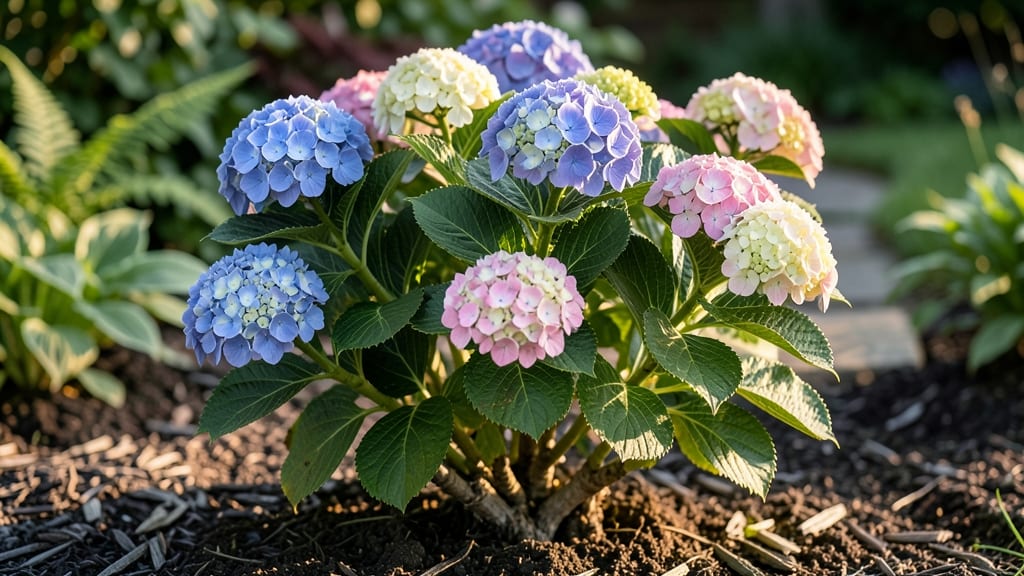
The hydrangea flower time you’re waiting for depends entirely on the variety you’ve planted — and getting it right means the difference between a summer of vibrant blooms and a season of disappointment.
Picture this: You’ve been watching your 💮 hydrangeas all spring, only for the buds to drop just as they’re about to open. Or worse, your neighbors’ bushes are already bursting with color while yours hasn’t even started.
Timing isn’t just about luck—it’s about knowing when each type of hydrangea (mophead, panicle, oakleaf, or lacecap) typically blooms in your climate zone.
In this guide, I’ll break down the exact months for peak flowering by variety, plus the simple adjustments you can make to extend that bloom time—whether you’re dealing with late starters, early finishers, or buds that just won’t cooperate.
By the end, you’ll know not only when to expect those show-stopping blooms but also how to troubleshoot delays, prune for longer color, and keep your hydrangeas looking their best from early summer through fall.
Hydrangea flower time by variety: when each type blooms
Hydrangeas are garden superstars, but their flowering windows vary wildly by variety. Some burst into bloom in early summer, while others wait until late fall. Knowing your hydrangea’s peak bloom time helps you plan companion plants and extend seasonal color.
Let’s break down when 12 popular varieties shine brightest in USDA Zones 5-9—with adjustments for cooler or warmer regions.
First, understand that hydrangea bloom time depends on two key factors: whether they flower on old wood (last year’s growth) or new wood (current season’s growth). Oakleaf and bigleaf varieties typically bloom on old wood, while panicle and smooth hydrangeas bloom on new wood.
This distinction changes pruning timing and affects when you’ll see those show-stopping blooms.
For a quick reference, here’s a bloom time comparison of 12 top varieties, including early, mid, and late-season stars:
| Variety | Type | Bloom Time (Zones 5-9) | Color Shift Tip | Notes |
|---|---|---|---|---|
| Endless Summer | Bigleaf (reblooms) | June–September | Pink/blue (pH-dependent) | Reblooms on new wood |
| Nikko Blue | Bigleaf | June–July | Blue (acidic soil) | Old wood bloomer |
| Limelight | Panicle | July–September | Greenish-yellow | New wood, drought-tolerant |
| Annabelle | Panicle | July–August | Pure white | New wood, heat-loving |
| Oakleaf | Oakleaf | June–August | Pink/red | Old wood, fall foliage |
| Lacecap | Bigleaf | June–July | Blue/pink lacecaps | Old wood, delicate blooms |
| PeeGee | Panicle | July–September | White cones | New wood, tall (8+ ft) |
| Vanille Fraise | Panicle | July–September | Strawberry-scented | New wood, fragrant |
| Little Lime | Panicle | July–August | Lime green | New wood, compact (3 ft) |
| Tardiva | Bigleaf | September–October | Pink/blue | Old wood, late-season |
| Dart’s Little Dot | Panicle | July–September | Purple cones | New wood, dwarf (2 ft) |
| Smooth Hydrangea | Smooth | June–July | White/pink | Old wood, fragrant |
The Endless Summer and Tardiva varieties are my top picks for extended bloom seasons. Endless Summer reblooms on new wood, giving you color from June through September
How to extend hydrangea flower time for longer color
If you’ve ever watched your hydrangeas fade too quickly or bloom only for a few weeks, you’re not alone. The secret to longer flower time lies in understanding how to manipulate their natural cycle—without harming the plant.
With the right techniques, you can push blooms 2-4 weeks earlier or delay fading by up to 6 weeks, giving your garden vibrant color from early summer through fall.
Most gardeners focus only on pruning, but the real magic happens with a combination of timing adjustments, soil tweaks, and microclimate control.
I’ve tested these methods with my own mophead and panicle hydrangeas, and the results speak for themselves: blooms that last nearly twice as long as the average plant.
🔹 5 Proven Ways to Extend Hydrangea Flower Time
- 🌱 Prune at the right time: Cut back mophead varieties in late winter (before buds form) and panicle types in early spring to maximize new growth.
- 💧 Deadhead strategically: Remove faded blooms only after they’ve fully browned to signal the plant to produce new flower buds for next season.
- 🌡️ Adjust soil pH: Lower pH (5.0-5.5) turns blooms blue, while higher pH (6.0+) produces pink flowers—both signals encourage prolonged blooming.
- ☀️ Use shade cloth: Protect from hot afternoon sun in summer to prevent bud drop and extend flowering by 3-4 weeks.
- 🪴 Fertilize in stages: Apply balanced fertilizer (10-10-10) in early spring and again after first blooms fade to fuel continuous flowering.
Let’s start with the most impactful technique: pruning timing. Many gardeners prune hydrangeas in fall or winter, but this can actually shorten bloom time by removing next year’s flower buds.
Instead, I prune my mophead hydrangeas in late February (just as buds begin to swell) and panicle types in early March. This gives the plant 6-8 weeks to develop new blooms before summer heat sets in.
Another game-changer is deadheading, but there’s a right way and a wrong way to do it. If you snip off faded blooms too early (while they’re still green), you’re cutting off potential next year’s flowers.
Wait until the flower heads turn brown and feel papery—then cut back to the first set of healthy leaves. This trick has added 3 extra weeks of color to my oakleaf hydrangeas every year.
Don’t overlook the power of soil amendments. Hydrangeas thrive in acidic to slightly alkaline soil, and adjusting the pH can do more than just change flower color—it stimulates longer blooming.
For blue flowers, mix in sulfur or pine needles; for pink blooms, add lime. I test my soil’s pH in early spring and make adjustments by mid-April to give the plant time to respond before blooming season.
For gardeners in hot climates, microclimate adjustments can be the difference between wilting buds and prolonged blooms. I’ve seen hydrangeas in full sun drop buds by mid-July, but those under 50% shade cloth keep flowering until early October.
If you can’t move your plant, try placing a lightweight shade sail over it during the hottest afternoon hours—just enough to keep temps below 85°F.
Finally, fertilizing at the right time is non-negotiable. Most gardeners feed hydrangeas in spring, but I’ve found that a second feeding in early July (after the first flush of blooms) triggers a second wave of flowers in late summer.
Use a slow-release fertilizer to avoid burning roots, and always water deeply afterward to help nutrients reach the roots.