
Blooming
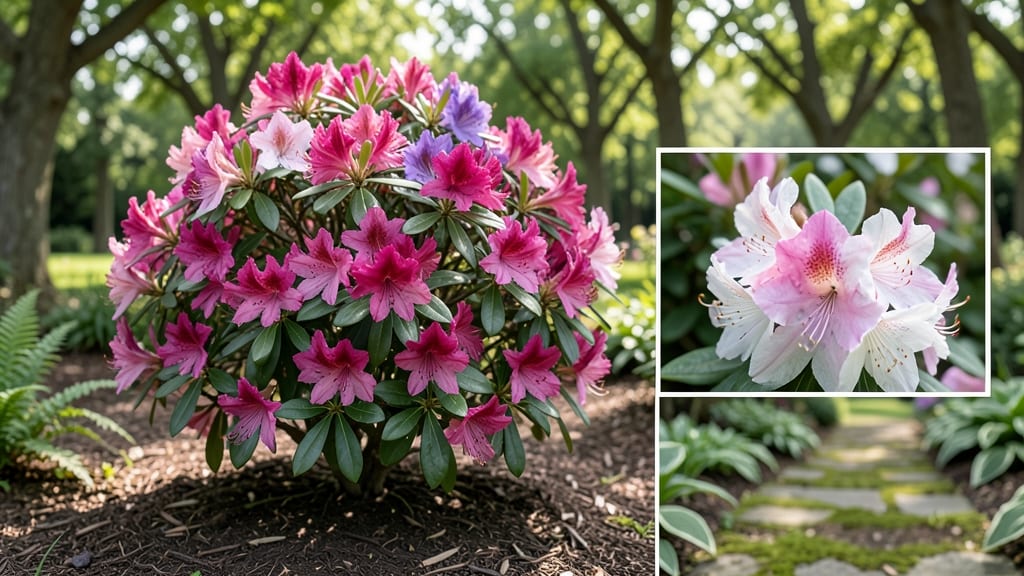
The azalea flower blooming time is all about getting those perfect chill-hours—it’s the secret behind the vibrant spring displays you adore.
If you’ve ever stared at bare azalea branches in March wondering why your 🌸 shrubs refuse to wake up, you’re not alone. Most gardeners assume it’s about water or fertilizer, but the real game-changer is those cold winter nights between 32°F and 45°F that trigger blooming.
In Zone 6, where most of us live, azaleas need 300-600 chill-hours to bloom reliably. Too few hours? Your shrubs might skip spring entirely. Too many? They’ll bloom late or produce weak flowers.
The good news? With a few simple adjustments, you can predict — and even control — when your azaleas will burst into color.
Below, I’ll break down exactly how chill-hours work, which azalea varieties thrive in your region, and the 5 easiest ways to boost blooms even if your winter wasn’t cold enough. Let’s get those 🌸 shrubs performing their best!
What are azalea chill-hours and how do they affect blooming time?
If your azaleas seem to skip their usual spring show, chill-hours might be the culprit. These are the accumulated hours your plants spend in temperatures between 32°F and 45°F—a critical trigger for dormancy and blooming.
Without enough, your azalea stays in a holding pattern, refusing to burst into color. Think of it as their biological countdown to spring's grand performance.
Every azalea variety has a specific chill-hour requirement, typically ranging from 200 to 1,000 hours. This range explains why azaleas bloom earlier in colder climates like Zone 5 and later—or not at all—in warmer areas like Zone 8.
Even well-cared-for plants can fail to bloom if their chill-hour needs aren't met, leaving gardeners puzzled.
Chill-hours work like a natural alarm clock for azaleas. When temperatures dip into this range, the plant's internal clock ticks down, signaling it's time to break dormancy. Without enough cold exposure, the plant stays dormant, missing its cue to produce buds. This is why your neighbor's azaleas might bloom weeks before yours—location matters more than you think.
Geographic location plays a starring role in bloom timing. Northern gardeners often see azaleas bloom in late April or May, while Southern gardeners may get fall blooms in September or October from varieties adapted to milder winters.
Even within a single region, microclimates can shift bloom times by weeks, making chill-hour awareness essential for timing expectations.
| Azalea Type | Chill-Hour Range | Bloom Season | Best USDA Zones |
|---|---|---|---|
| Southern Indica | 200-400 hours | Fall (Sept-Oct) | 7-9 |
| Knap Hill Hybrids | 600-900 hours | Spring (April-May) | 5-8 |
| Girard's Hybrids | 400-700 hours | Spring (April) | 6-9 |
| Exbury Hybrids | 300-500 hours | Spring (March-April) | 7-9 |
| Glenn Dale Hybrids | 800-1,000 hours | Late Spring (May) | 4-7 |
The science behind chill-hours involves plant hormones like abscisic acid, which accumulates during cold exposure. This hormone shift tells the plant it's safe to break dormancy and prepare for growth.
Without sufficient chill-hours, the plant remains in a state of physiological dormancy, unable to transition to active growth and flowering.
For U.S. gardeners, chill-hour maps reveal why azalea blooming times vary dramatically. The Pacific Northwest and Northeast typically meet high chill-hour requirements, while Florida and Southern California struggle with insufficient cold exposure. Even within a single state, elevation changes can create microclimates with vastly different chill-hour totals.
If you're in a low-chill-hour zone, don't despair—there are solutions. Some azalea varieties are bred to thrive with minimal chill-hours, while others can be artificially chilled before planting.
Understanding your local chill-hour total helps you choose varieties that will thrive in your specific climate, ensuring reliable blooms year after year.
Pro tip: Check your local weather station data for the past winter's chill-hours. Many agricultural extensions provide this information, or you can use online chill-hour calculators.
Armed with this data, you can make informed decisions about which azaleas will perform best in your garden and when to expect their stunning displays.
Remember, chill-hours aren't just about cold weather—they're about the precise balance of temperature exposure that triggers nature's most beautiful timing mechanism. Master this, and you'll unlock the secret to azaleas that bloom reliably, vibrantly, and on schedule every year.
How to calculate your azalea’s chill-hours needs for optimal spring blooms
Calculating azalea chill-hours is the first step to unlocking those show-stopping spring blooms. These hours—measured when temperatures stay between 32°F and 45°F—signal your azalea to break dormancy and prepare for flowering.
Without enough, your 🌸 shrubs may produce sparse or delayed blooms. The good news? You can measure and adjust for your zone with just a few tools and a little planning.
Start by checking your USDA Hardiness Zone. Most azaleas thrive in Zones 5-9, but their chill-hour requirements vary dramatically. For example, Knap Hill hybrids need 500-800 chill-hours, while Southern Indica varieties often bloom with just 200-400 hours.
Knowing your zone helps you pick the right azalea for your climate.
| Azalea Type | Chill-Hours Needed | Best USDA Zones | Bloom Time |
|---|---|---|---|
| Knap Hill Hybrids | 500-800 | 5-7 | Late April-May |
| Southern Indica | 200-400 | 7-10 | February-March |
| Girard’s Hybrids | 300-500 | 6-8 | March-April |
| Evergreen Azaleas | 400-600 | 5-9 | April-May |
To calculate your local chill-hours, use your NOAA climate data or a weather station app. Look for records from December to February—the critical months for azaleas. For example, if your area averages 10 hours per night at 35°F for 30 nights, that’s 300 chill-hours.
Compare this to your azalea’s needs to see if you’re meeting the threshold.
If your chill-hours fall short, don’t panic! You can adjust planting locations to cooler microclimates, like north-facing slopes or areas near ponds or streams. These spots often accumulate extra chill-hours due to cooler nighttime temperatures.
For container-grown azaleas, move them to a garage or shaded patio during mild winters to mimic dormancy conditions.
For gardeners in warmer climates (Zones 8-10), focus on Southern Indica or Kurume azaleas, which bloom with fewer chill-hours. These varieties often flower in early spring or even fall, making them perfect for regions where winters are too mild for traditional azaleas.
Pair them with afternoon shade to protect blooms from intense sun.
Once you’ve matched your azalea to your chill-hours, prune strategically in late summer to encourage next year’s blooms. Remove old wood to redirect energy toward new growth, and avoid heavy pruning after June, which can cut off potential flower buds for the following season.
With the right variety and a little chill-hour planning, your azaleas will 🌸 bloom like clockwork every spring!