
Size
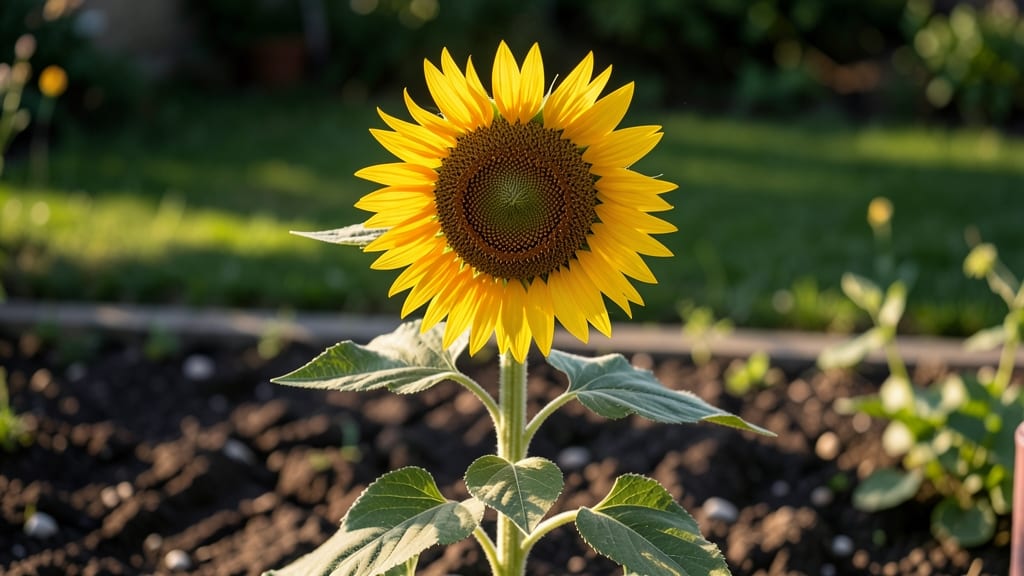
Sunflower plants can grow how tall do sunflower plants get to heights that range from just a few feet to over 16 feet—depending on the variety you choose and how you care for them.
Imagine planting a seed that could one day rival a two-story house or barely reach your knees—sunflowers deliver on both extremes, making them a game-changer for garden layouts, pollinator support, and even vertical space in small yards.
Dwarf varieties like 'Teddy Bear' stay under 3 feet, perfect for containers or borders, while giants like 'Mammoth' or 'Russian Giant' stretch toward the sky, demanding careful spacing and staking to avoid flopping in storms.
Below, I’ll break down the height ranges by type, share how genetics and care influence growth, and give you practical tips to control or encourage height—so you can plan your garden with confidence.


Sunflower height by variety: from dwarf to giant types explained
Sunflowers come in an astonishing range of heights, from compact dwarf varieties perfect for containers to giant cultivars that rival two-story buildings. The average mature height of sunflowers can vary by 15 feet or more, depending on the variety and growing conditions.
Understanding these differences helps you choose the right sunflowers for your space and design goals—whether you want a whimsical border or a dramatic focal point.
Most gardeners focus on three broad categories: dwarf sunflowers (under 3 feet), medium-height varieties (3-6 feet), and giant sunflowers (8 feet and taller). However, some record-breaking cultivars can exceed 12 feet or even 16 feet with ideal care.
Let’s break down the specifics so you can plan your garden layout with confidence.
Dwarf sunflowers like 'Teddy Bear' are ideal for small spaces or container growing. These varieties typically reach 1-3 feet tall, making them perfect for balconies, patios, or window boxes. They also bloom earlier than taller varieties, often producing flowers in as few as 50 days. For example, 'Little Becka' stays under 2 feet while delivering vibrant double blooms that last for weeks.
Medium-height sunflowers (3-6 feet) strike a balance between manageability and impact. Varieties like 'Autumn Beauty' are self-cleaning, meaning their seeds drop naturally when mature, reducing harvest effort. These are excellent choices for cut flower arrangements or as pollinator magnets in mixed borders. They also tolerate moderate wind better than giants, making them versatile for various climates.
If you’re dreaming of towering sunflowers, standard and giant varieties will deliver. The Russian Giant is a classic, often reaching 10-12 feet with a 12-inch diameter flower.
For true giants, 'Colossus' can exceed 14 feet under ideal conditions, while 'Giant Russian' has been known to hit 16 feet in competitive gardens. These varieties require sturdy staking and rich, well-draining soil to support their massive stature.
One often-overlooked factor in sunflower height is genetic potential vs. environmental conditions. Even the tallest varieties won’t reach their maximum height without full sun exposure (6+ hours daily) and consistent moisture during early growth.
For instance, 'Russian Mammoth' may only grow to 8 feet in poor soil or shade, while the same variety can double in height with optimal care. Always check seed packets for average mature height and growing tips specific to the variety.
For small gardens or urban spaces, consider pinching back taller varieties to encourage bushier growth. This technique involves removing the top set of leaves when the plant is about 12 inches tall, which can reduce height by 20-30% while increasing flower production.
Conversely, if you want to maximize height, avoid pruning and ensure your plants have plenty of nitrogen early in the season.
When planning your garden layout, remember that taller sunflowers need more space between plants to prevent shading and disease. A general rule is to space dwarf varieties 12-18 inches apart, medium varieties
How sunflower height affects your garden planning and care
Understanding how tall sunflowers grow transforms your garden from a random display to a thoughtfully designed space. Taller varieties like 'Russian Giant' can reach 12-16 feet, while dwarf types like 'Teddy Bear' max out at 1-3 feet.
This dramatic difference impacts everything from plant spacing to wind resistance and even watering schedules.
For example, a 10-foot sunflower needs 3-4 feet of space between plants to avoid shading neighbors, while dwarf varieties can thrive just 12 inches apart. Skipping this step often leads to overcrowding, stunted growth, and increased disease risk from poor airflow.
Your sunflower's height determines whether you'll need staking or trellising too—something I'll cover in detail below.
🌱
⚠️ Common Mistake: Ignoring Height When Planning
Planting tall varieties like 'Mammoth' (12-14 ft) too close to your house or fence can lead to damaged structures during wind or storms. Dwarf varieties planted in full sun may still need extra watering because their shallow roots dry out faster than taller types. Always check mature height before selecting varieties for small spaces!
Let's talk sunlight exposure next—taller sunflowers cast deep shadows that can smother nearby plants. I recommend placing shorter varieties like 'Sunspot' (3-4 feet) in the north side of your garden to avoid competition. For tall sunflowers, position them where they won't block vegetable patches that need consistent light.
Your watering frequency should also adjust based on height. Tall sunflowers have deeper root systems, so they need deep watering every 7-10 days, while dwarf varieties may require daily watering in hot climates.
I've found that mulching around the base helps retain moisture—especially critical for container-grown sunflowers, which dry out faster.
In small gardens, vertical space becomes your best friend. Use cage supports for varieties like 'Autumn Beauty' (5-6 feet) or train them along trellises to save ground space. For giant sunflowers, consider planting them in isolation zones where they won't obstruct pathways or power lines.
I once grew a 14-foot sunflower next to my patio—until it blocked the afternoon sun for my herb garden!
Finally, remember that height affects harvestability. Taller sunflowers require stable ladders or elevated platforms to pick seeds safely. For dwarf varieties, you can easily reach the seed heads without bending. Always leave 1-2 feet of space around tall sunflowers when harvesting to avoid knocking over neighboring plants.
☀️