
Flowers
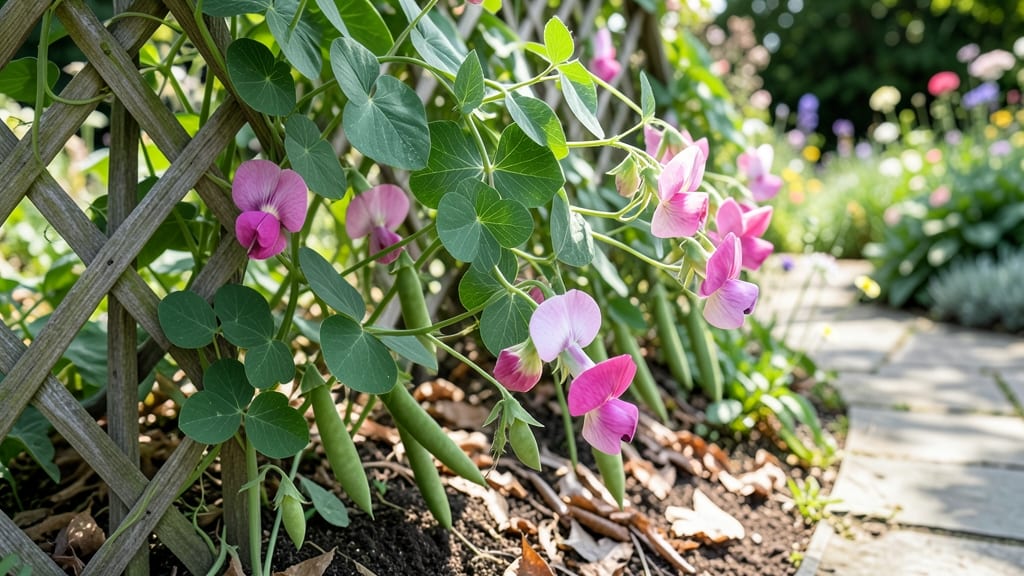
Sweet pea flowers grow how tall do sweet pea flowers grow anywhere from 2 feet to a towering 8 feet, depending on the variety you choose — and that height difference is the key to picking the right trellis for your garden.
Picture this: delicate 🌸 blooms cascading down a sturdy lattice, or compact clusters spilling over a low fence. The right support isn’t just about looks—it’s about giving your vines the room to thrive without flopping over or snapping in wind.
And if you’ve ever watched a sweet pea vine struggle against an undersized trellis, you know how frustrating that can be.
Standard varieties like 'Cupani' reach their full 6-8 foot potential with proper care, while dwarf types stay neatly contained at 2-3 feet. The difference comes down to genetics, pruning, and even how you train the vines early on.
I’ll break down the exact heights for popular varieties and how to match them to your garden layout—so you can skip the guesswork and get those fragrant blooms climbing exactly where you want them.
You’ll also learn how spacing, sunlight, and even soil quality can tweak a plant’s height—plus the simple pruning tricks that keep vines strong and blooms abundant. Whether you’re working with a vertical garden or a small balcony, these tips will help you maximize every inch of your sweet pea’s growth.


Sweet pea flower height ranges by variety: tall vs. compact options
Sweet peas are versatile climbers that can reach from dwarf heights of just 2 feet to towering 8-foot giants. The variety you choose determines not only your trellis requirements but also how you design your garden space.
Some varieties like 'Cupani' are built for dramatic vertical displays, while others like 'Dwarf Blue' create charming ground covers. Understanding these height differences helps you plan spacing, support structures, and even companion plantings for a cohesive look.
Most sweet pea varieties fall into three broad categories: tall climbers (6-8 feet), medium climbers (4-6 feet), and compact or dwarf varieties (2-4 feet).
The climbing habit of sweet peas means they need support, but the type of trellis—whether a simple wire frame, wooden lattice, or obelisks—varies based on height. For example, a 6-foot trellis works perfectly for 'Spencer' varieties, while a 3-foot obelisk suits 'Dwarf Mix' beautifully.
Let’s explore the most popular varieties and their ideal support systems.
If you’re growing tall varieties like 'Cupani' or 'Painted Lady', plan for a sturdy trellis that can support their weight, especially after heavy rains. These varieties thrive when given vertical space to sprawl, which also improves air circulation and reduces disease risk.
For compact varieties, a smaller obelisk or even individual stakes work perfectly, saving space in smaller gardens or containers. The key is matching the trellis height to the variety’s mature size to avoid overcrowding or weak stems.
Another factor to consider is garden layout. Tall sweet peas make stunning backdrop plants for borders or fences, while dwarf varieties add colorful ground cover near pathways or in window boxes.
For example, pairing 'Spencer' (5-7 feet) behind a 'Dwarf Blue' (2-3 feet) creates a layered effect that draws the eye upward. This vertical gardening technique maximizes small spaces and adds drama to your landscape.
Just ensure your trellis is installed early, as sweet peas twine quickly and need support within a few weeks of germination.
For container gardening, opt for dwarf or semi-dwarf varieties like 'Dwarf Mix' or 'Matucana', which thrive in 5-gallon pots with a small obelisk or cage. These varieties are ideal for balconies or patios, where space is limited.
When planting in containers, use a well-draining potting mix and fertilize lightly every 4-6 weeks to encourage healthy growth. Avoid overcrowding—even dwarf varieties need adequate airflow to prevent fungal issues like powdery mildew.
One common mistake gardeners make is underestimating trellis height. If you plant a 6-foot variety like 'Cupani' but only provide a 4-foot trellis, the vines will sprawl on the ground, leading to weak stems and fewer blooms.
Always measure your mature plant height and add an extra foot for good measure. For instance, if a variety reaches 7 feet, aim for an 8-foot trellis to give the plant room to thrive. This extra height ensures the vines can climb
How to choose the right trellis height for your sweet pea variety
Choosing the right trellis height for your sweet peas starts with understanding their mature growth habits. A 6-foot trellis might work for dwarf varieties, but standard climbers like 'Cupani' need 8 feet or more to reach their full potential.
The key is matching your trellis to the variety’s genetic height range while leaving room for wind sway and natural vine spread.
For example, if you’re growing 'Painted Lady' sweet peas, which typically reach 5-7 feet, a 7-foot trellis gives them just enough space to climb without overcrowding nearby plants.
But if you’re working with a small balcony or container garden, a 3-4 foot trellis is perfect for dwarf varieties like 'Tom Thumb', which max out at 2-3 feet.
Here’s what you need to know to pick the perfect trellis height for your sweet peas:
- 🌱 Standard varieties (e.g., 'Cupani', 'Blue Moon') need 8-foot trellises to thrive.
- 🌿 Medium-height types (e.g., 'Painted Lady') do well with 6-7 foot supports.
- 🪴 Dwarf varieties (e.g., 'Tom Thumb') only require 3-4 foot trellises.
- ✂️ Always add 1-2 feet extra for wind resistance and vine spread.
When installing your trellis, consider your garden’s layout. If you’re growing sweet peas along a fence, a 6-foot trellis might be ideal, but if they’re in a border, opt for 4-5 feet to avoid blocking sunlight for shorter plants.
I’ve found that spacing trellises 3 feet apart gives each vine enough room to climb without competing for support.
Training your sweet peas early is just as important as trellis height. Gently tie the main stems to the trellis at 12-inch intervals to encourage upward growth. If you skip this step, vines can become weak and leggy, struggling to reach the top of taller trellises.
Prune side shoots regularly to focus energy on the main climbing stems, which will help your sweet peas reach their full height potential.
For container gardens, choose a trellis that’s at least 1 foot taller than your pot’s height to accommodate root growth and vine spread. A 5-foot trellis in a large container works well for medium-height varieties, while dwarf types can thrive with a 3-foot support.
Remember, sweet peas are annuals, so you can adjust trellis heights each season based on your variety choices.
Finally, don’t forget that sweet peas love to spread outward as they climb. If you’re growing multiple varieties, stagger trellis heights slightly to create visual interest while keeping each plant’s needs in mind.
With the right trellis height and proper training, your sweet peas will reward you with abundant, fragrant blooms all season long. 🌸