
Flowers
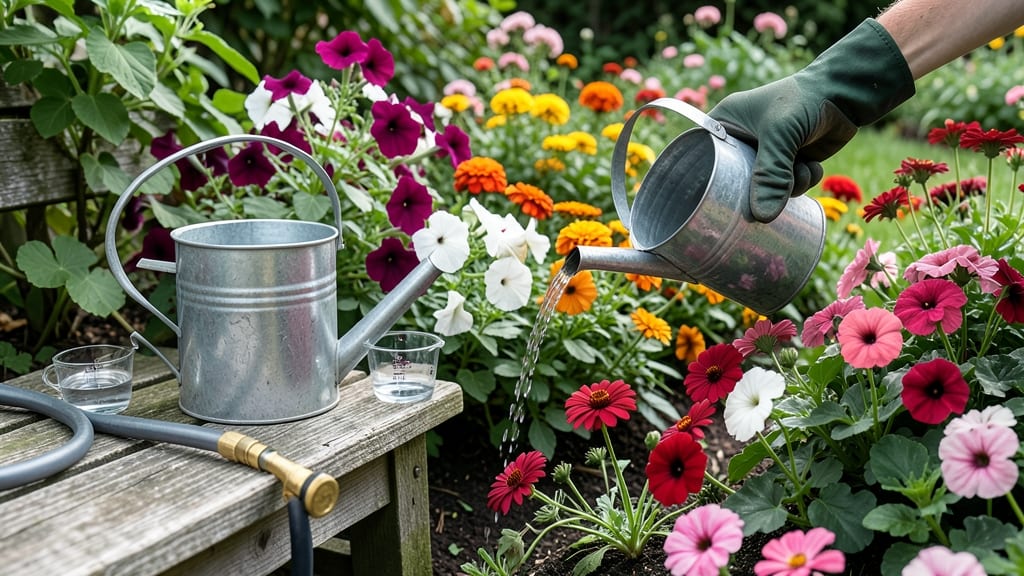
Watering flowers the right way means checking soil moisture every 3-7 days—but most gardeners overdo it, drowning roots and wasting water.
Overwatering kills more flowers than drought—yet most gardeners guess instead of testing soil moisture, leading to wasted water and wilting blooms. That’s why a simple soil check is the game-changer for happy, thriving 🌸 blooms.
In this guide, I’ll show you how to read your soil like a pro—no fancy tools needed. You’ll learn the three-step test to spot the perfect moisture balance, adjust for your climate zone, and even troubleshoot common mistakes that stifle growth.
Whether you’re growing sun-loving roses or shade-tolerant impatiens, these tips will keep your flowers perfectly hydrated without a single guess.
The 3-Step soil test method to determine when flowers need water
Overwatering kills more flowers than drought—yet most gardeners guess instead of testing soil moisture, leading to wasted water and wilting blooms. The key to perfect hydration lies in understanding your soil's moisture level before watering.
This 3-step soil test method replaces guesswork with science-backed results, ensuring your roses, hydrangeas, and succulents thrive without soggy roots or thirsty stems.
Most flowers hate soggy soil as much as they hate drought. A simple finger test reveals moisture levels better than any schedule. The secret? Checking 3 key indicators: soil depth, weight, and visual cues.
These steps work for container plants and in-ground gardens alike, with adjustments for your climate zone. Let’s start with the foundational test that saves water and blooms.
How Often to Water Flowers: The 3-Step Test
Finger-Depth Check (1-2 inches)
Insert your index finger 1-2 inches into soil. If it feels dry and crumbly, water immediately. For succulents, wait until it’s bone-dry. Most flowers prefer moist but not soggy soil—like a wrung-out sponge.
Weight Test (Lift the Pot)
For potted flowers, lift the container. A light pot signals dry soil, while a heavy pot means it’s still moist. In-ground plants? Gently squeeze a handful of soil—if it holds shape, wait 1-2 days. This method works best in well-draining soil.
Visual Cues (Leaves & Soil)
Check for wilting leaves (underwatered) or yellowing foliage (overwatered). For hydrangeas, drooping blooms mean thirst, while mushy stems signal rot. Observe soil color: dark brown = moist; pale gray = dry.
Seasonal shifts demand watering adjustments. In summer heat (Zones 7-10), your roses and petunias may need daily checks, while winter dormancy (Zones 3-6) cuts watering to bi-weekly. Always water in the early morning to prevent fungal diseases like powdery mildew, which thrives in damp foliage.
Container plants dry out 3x faster than in-ground beds. If your potted geraniums wilt by noon, upgrade to self-watering pots or add hydrogel crystals to retain moisture. For succulents like sedum, skip Step 1 entirely—wait until the soil is completely dry before watering again.
Visual cues often reveal hidden problems. Brown leaf tips on hydrangeas? It’s usually fluoride buildup from tap water. Switch to rainwater or distilled water and reduce fertilizer. Crispy edges on petals signal underwatering, while black spots mean overwatering. Adjust your watering schedule based on these signs, not the calendar.
Mulch acts as nature’s moisture regulator. A 2-inch layer of mulch (straw or shredded bark) locks in soil moisture and reduces evaporation by 30%. Apply it after planting, keeping it 2 inches away from stems to prevent rot.
For desert-adapted flowers like lavender, use gravel mulch to mimic their natural habitat.
Even the best gardeners misjudge moisture. If your flowers droop midday despite moist soil, they’re suffering from transpirational pull—a common issue in full-sun gardens. Deep watering once a week (soaking the root zone) beats shallow daily watering.
Use a moisture meter for accuracy, especially in sandy soils that drain too quickly.
Pro tip: Group plants by water needs. Place thirsty annuals (like impatiens) near your hose spigot and drought-tolerant perennials (like coneflowers) in dry areas. This zonal watering method saves time and ensures no plant gets neglected.
Pair it with the 3-step test, and your flower beds will flourish with minimal effort.
Remember, healthy roots = happy blooms. When in doubt, test the soil before watering. Your roses will reward you with vibrant blooms, and your succulents will stay plump and proud—no guesswork required. Happy gardening! 🌸
Watering frequency chart by flower type and climate zone
Finding the right watering schedule for your flowers depends on more than just the plant type—it’s a mix of climate zone, soil conditions, and seasonal shifts.
In hot/dry regions like USDA Zones 8-10, most flowers need daily watering during peak summer, while cool/moist zones (Zones 3-5) can stretch watering to every 5-7 days. Even drought-tolerant varieties like lavender still need adjustments when temperatures spike.
Below is my go-to watering chart for 12 popular flowers, tailored for both arid climates (like Arizona) and humid regions (like the Pacific Northwest). I’ve also included drought-resistant alternatives for areas with water restrictions. Pro tip: Always water early morning to prevent fungal diseases—even if the chart says "daily."