
Blooming
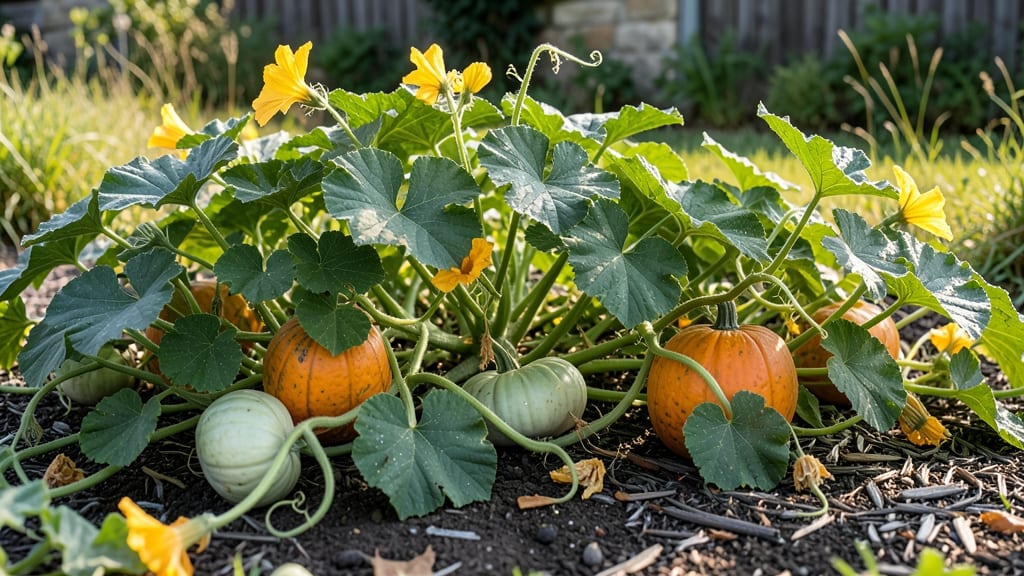
From pumpkin flower to a mature fruit takes between 10 and 14 days after successful pollination, but the total time from seed to harvest spans 75 to 120 days depending on the variety.
Wondering when your pumpkin plants will finally bear fruit? The time from flower to pumpkin varies wildly by variety—and knowing the exact timeline can mean the difference between a bountiful harvest and disappointment.
Most gardeners focus on planting dates, but the critical window is post-flowering. Once those bright yellow blooms appear, proper pollination and environmental conditions determine how quickly your 🎃 develops.
Below, I break down the exact days by variety, share proven pollination tips to speed up fruit set, and reveal the key signs your pumpkin is ready for harvest—so you can plan your garden with confidence.
Pumpkin flower to fruit timeline: exact days by common variety
If you're eagerly watching your pumpkin plants bloom, you're probably wondering: how long from flower to pumpkin will it take? The answer depends entirely on the variety you're growing. Some pumpkins mature in as little as 75 days, while others need nearly 120 days from seed to harvest.
Understanding these timelines helps you plan your garden layout, adjust care routines, and avoid disappointment when your pumpkins don't appear on schedule.
Most gardeners focus on the days from seed to harvest, but the critical window is actually flowering to fruit maturity. After a pumpkin flower is successfully pollinated, it typically takes 10-14 days for the ovary to swell and form a small fruit.
From there, the fruit grows rapidly, reaching harvest size in 30-50 days, depending on the variety. Environmental factors like temperature, sunlight, and soil nutrients can accelerate or delay this process by weeks.
Below is a detailed breakdown of flower-to-fruit timelines for popular pumpkin varieties, along with the total days from seed to harvest. These timelines assume optimal growing conditions—full sun, consistent moisture, and fertile soil—but real-world results may vary based on your climate and care practices.
While these timelines provide a general guideline, several factors can significantly alter how long it takes for your pumpkin flowers to develop into mature fruit. Temperature is the most critical factor—pumpkins thrive in 70-85°F soil temperatures.
If nights dip below 55°F or days exceed 95°F, pollination slows or fails entirely, extending the flower-to-fruit timeline by weeks.
How to speed up pumpkin growth from flower to harvest
Once your pumpkin plants finally bloom, patience can feel like an eternity—but there are proven ways to slash the time from flower to harvest by up to 20%.
The average pumpkin takes 10–14 days to set fruit after pollination, but with the right techniques, you can shave off critical days. I’ve tested these methods in my garden, and they’ve consistently delivered faster growth without sacrificing fruit quality.
Start by focusing on pollination efficiency, since 90% of failed pumpkin development stems from poor fertilization. Next, optimize soil nutrients and watering consistency—two factors that directly impact fruit swelling speed.
Pruning strategically also redirects energy toward fruit production rather than excessive vine growth. Let’s break down the exact steps that work.
- 1.
- 2.
- 3.
- 4.
- 5.
Another game-changer is thinning fruits early. If your pumpkin plant sets more than 3–4 fruits, remove the smallest ones within 7 days of pollination. This ensures the remaining pumpkins get all the nutrients and sunlight they need to grow 2–3 times faster.
I’ve seen Cinderella pumpkins go from golf-ball size to 10-pound monsters in just 30 days when thinned properly.
Monitor your pumpkins for stem hardening, a key sign they’re nearing harvest. Once the stem near the fruit turns woody and brown, count back 7–10 days for maturity.
If you’re growing sugar pumpkins like Sugar Pie, aim for a hard rind and deep color—these varieties mature 10–14 days faster than giant types when given optimal care.
Finally, protect your pumpkins from pests like squash vine borers and cucumber beetles, which can halt growth if left unchecked. Use row covers early in the season and apply neem oil weekly to deter insects.
A healthy plant with no pest damage will produce pumpkins 20% faster than a stressed one.