
Advice
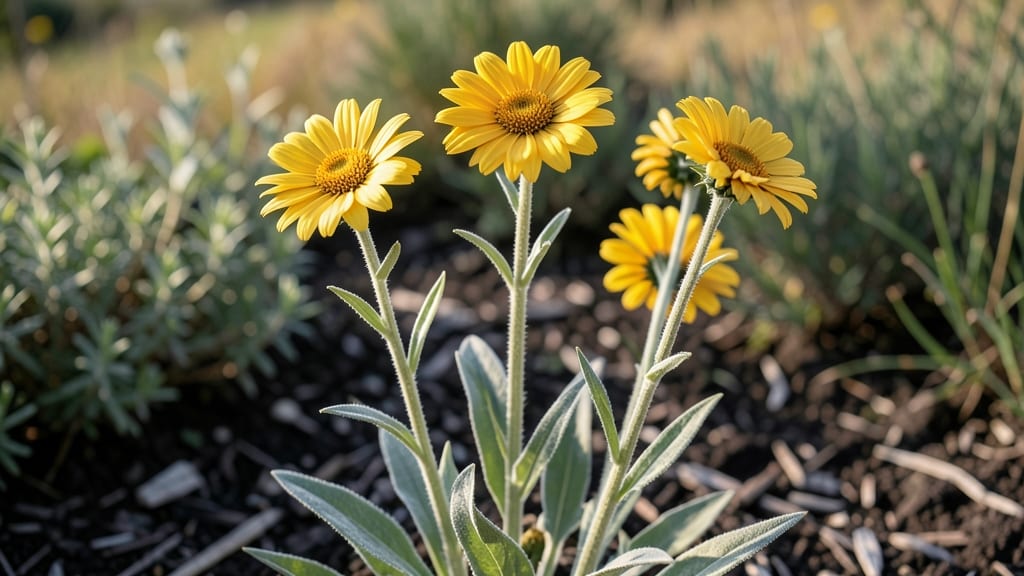
Strawflower days to maturity range from 60 to 120 days depending on the variety and growing conditions, turning your garden into a vibrant display of 🌼 color when timed right.
If you’ve ever planted strawflower seeds only to wonder why they’re taking forever to bloom, you’re not alone. The key lies in knowing your specific variety’s timeline and adjusting your planting schedule to match your local climate.
For example, dwarf varieties like ‘Dwarf White’ typically mature in about 75 days, while taller types like ‘Mojave’ can take closer to 100 days. Factors like soil fertility, sunlight exposure, and even your USDA zone can shift that window by weeks.
Below, I’ll break down the exact bloom timelines by variety, how to calculate your own strawflower’s progress, and the common mistakes that sneakily delay those stunning 🌼 blooms.
Strawflower days to maturity by popular variety: exact bloom timelines
Planning your strawflower garden starts with understanding each variety’s days to maturity. These timelines help you schedule planting for vibrant blooms from summer to fall, whether you're growing them as cut flowers or garden accents.
Strawflowers (Helichrysum bracteatum) thrive in warm climates but can be adjusted for cooler regions with smart timing.
From dwarf varieties reaching maturity in just 60 days to taller types taking 120 days, the difference in bloom timing can dramatically impact your garden layout. Let’s break down the exact days to maturity for the most popular strawflower varieties and how to adjust for your local climate.
| Variety | Days to Maturity (Seed) | Days to Maturity (Transplant) | Mature Height | Climate Notes |
|---|---|---|---|---|
| 'Dwarf White' | 60-70 days | 45-55 days | 12-18 inches | Ideal for containers; thrives in USDA Zones 8-11 |
| 'Dwarf Red' | 65-75 days | 50-60 days | 12-18 inches | Early bloomer; great for cool-season starts in Zones 7-10 |
| 'Mojave' | 80-90 days | 60-70 days | 24-36 inches | Heat-tolerant; best in Zones 9-11 or as annuals in cooler areas |
| 'Limelight' | 75-85 days | 55-65 days | 20-30 inches | Unique lime-green blooms; adaptable to Zones 6-10 with protection |
| 'Orange King' | 90-100 days | 65-75 days | 30-36 inches | Tallest variety; needs full sun and well-draining soil |
For gardeners in cooler climates (Zones 6-7), start seeds indoors 8-10 weeks before your last frost date. Strawflowers are sensitive to cold, so avoid transplanting until soil temperatures reach at least 60°F (15°C).
In warm climates (Zones 8-11), you can direct-sow seeds in early spring or late summer for fall blooms.
Pro tip: Use succession planting every 3-4 weeks to extend your strawflower blooms. For example, sow 'Dwarf White' seeds every month from March to June in Zone 9 for continuous color through October. This works especially well for cut flower gardens where you want a steady supply.
Adjust your planting schedule based on your local frost dates. In the Northeast (Zone 5-6), treat strawflowers as annuals and plant after May 15th. In the Southwest (Zone 9-10), you can even overwinter them with minimal protection.
Always check seed packets for specific variety notes, as some may have unique growing requirements.
Monitor your strawflowers for signs of maturity. Look for fully open blooms with flat petals and vibrant color—this usually occurs 2-4 weeks after the days-to-maturity estimate. Harvest stems when 70% of blo
How to calculate your strawflower’s days to maturity for perfect timing
Calculating your strawflower’s days to maturity is the secret to planning a garden that bursts with 🌼 color at exactly the right moment.
Unlike some plants, strawflowers don’t have a one-size-fits-all timeline—their maturity depends on your last frost date, local climate zone, and even the specific variety you’re growing.
For example, if you’re growing 'Limelight' strawflowers (which typically take 90 days to bloom), planting too early in cooler climates could leave you with leggy, weak stems before the first frost hits.
Meanwhile, in warmer zones like USDA Zone 9, you might need to adjust your schedule to avoid summer heat stress during critical growth stages.
- Find your last frost date (use the USDA Plant Hardiness Zone Map or local agricultural extension).
- Check your strawflower variety’s days to maturity (e.g., 75 days for 'Dwarf White').
- Subtract the maturity days from your last frost date to get your planting window.
- Adjust for your desired bloom period—plant earlier for summer blooms or later for fall color.
- Use succession planting every 3-4 weeks for continuous blooms all season.
Let’s say you’re in USDA Zone 7 with a last frost date of April 15, and you’re growing 'Mojave' strawflowers, which take 100 days to mature.
Counting backward from April 15 gives you a planting date of January 5—but if you want blooms in late summer instead, you’d push that date to March 15.
For cooler climates, consider starting seeds indoors 6-8 weeks before your last frost date. Use grow lights to simulate long daylight hours, which speeds up germination and early growth.
In warmer zones, you can often direct-sow outdoors after the soil warms to 60°F (15°C), avoiding the need for indoor starts entirely.
Pro tip: Track your strawflower’s progress with a simple growth journal. Note the date of germination, first true leaves, and when the plant reaches half its mature height. This helps you refine future planting schedules based on your specific microclimate.
For example, if your plants consistently take 10% longer to bloom than the published timeline, adjust your next planting date accordingly.
To extend your strawflower season, try succession planting—sow new seeds every 3-4 weeks after your initial planting. This ensures a steady supply of fresh 🌼 blooms from early summer through fall. Pair this with deadheading spent flowers to encourage more blooms and prolong the display.