
How To
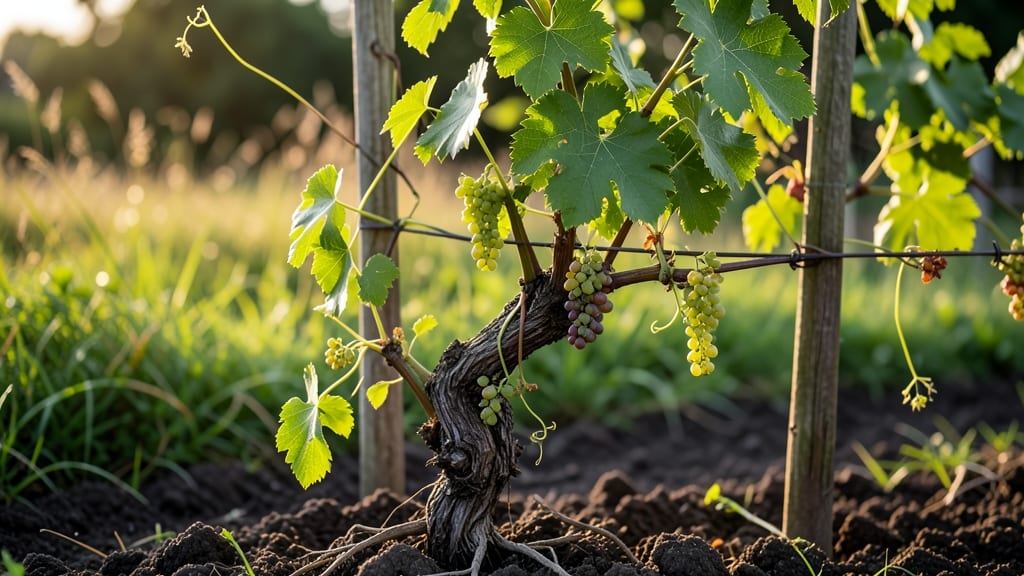
Grapes take between 60 to 120 days to grow after flowering, depending on the variety and climate—so timing is everything if you want to enjoy that first harvest.
Picture this: you’ve spent months tending to your 🍇 grapevines, and now the flowers are fading. Will you have sweet clusters by fall, or will they linger green and underripe?
The answer depends on knowing your grape’s growth timeline, from fruit set to veraison, and how to give it the right conditions to speed things up.
Some varieties, like Concord, mature in as little as 8 to 10 weeks after flowering, while others, like Cabernet Sauvignon, can take 12 to 16 weeks—or even longer in cooler climates.
Sunlight, water, and temperature all play a role in how quickly those berries plump up and ripen, and missing the mark can leave you staring at a vine full of disappointment.
In this guide, I’ll break down the exact stages of grape development, how to spot when they’re ready to pick, and the simple tweaks you can make to ensure your vines deliver a bountiful harvest—right on schedule.


Grape growth timeline after flowering: variety-specific weeks to harvest
Once your grapevines flower, the real excitement begins—but patience is key! The time from flowering to harvest varies dramatically by variety, with some grapes ripening in as few as 10 weeks while others take 18 weeks or more.
Understanding these timelines helps you plan for harvest, adjust care routines, and avoid disappointment when clusters don’t ripen as expected.
Every grape variety follows the same core stages after flowering: berry development, veraison (color change), and ripening. However, the speed of these stages differs based on genetics, climate, and growing conditions.
For example, Thompson Seedless grapes often reach harvest in just 12-14 weeks, while Cabernet Sauvignon may need 16-18 weeks to fully mature.
Below, I’ve broken down the exact weekly timelines for popular grape varieties, including key milestones like when berries turn color and when they’re ready to pick. This comparison will help you set realistic expectations and track progress like a pro.
| Variety | Weeks to Harvest | Berry Development | Veraison Stage | Harvest Cues |
|---|---|---|---|---|
| Thompson Seedless | 12-14 weeks | Green berries 3-4 weeks post-flowering | Yellow-green 8-10 weeks | Plump, golden-yellow, easy stem separation |
| Concord | 14-16 weeks | Green berries 4 weeks post-flowering | Purple-red 10-12 weeks | Deep purple, firm skin, sweet aroma |
| Cabernet Sauvignon | 16-18 weeks | Green berries 4-5 weeks post-flowering | Dark purple 12-14 weeks | Deep color, thick skins, high sugar |
| Muscat | 13-15 weeks | Green berries 3-4 weeks post-flowering | Golden-yellow 9-11 weeks | Fragrant, juicy texture, sweet flavor |
| Niagara | 15-17 weeks | Green berries 4 weeks post-flowering | Green-yellow 11-13 weeks | Large clusters, crisp texture, mild sweetness |
If you’re growing Thompson Seedless or Muscat, you’ll likely see berries turning color as early as 8-10 weeks after flowering—a great sign that harvest is just around the corner.
For Cabernet Sauvignon or Niagara, however, veraison may not appear until 12-14 weeks, so don’t rush to pick premature clusters.
One of the most critical stages is veraison, when grapes shift from green to their mature color. This phase signals the start of sugar accumulation and flavor development. For example, Concord grapes turn a striking purple-red during veraison, while Cabernet Sauvignon berries deepen to a rich, almost black hue.
Pay close attention to these color changes—they’re your best indicator of progress.
After veraison, the final 4-6 weeks are all about sugar content and firmness. Use the stem separation test: Gently twist a grape from its stem. If it detaches with a slight pop, it’s likely ready for harvest.
For Thompson Seedless, this usually happens 2-3 weeks after veraison, while Cabernet Sauvignon may need an extra week or two to reach peak ripeness.
Climate plays a huge role in these timelines. In warmer regions (Zones 8-10), grapes often ripen 2-3 weeks faster than in cooler climates (Zones 5-7). For instance, a Concord vine in California might harvest in 14 weeks, while the same variety in
Key factors that speed up or delay grape ripening after flowering
Understanding what affects your grapevines after flowering can transform your harvest timeline. The 120-180 days from flowering to ripeness isn't set in stone—it's influenced by several environmental and cultivation factors. Let's explore how to accelerate or extend this process based on your growing conditions.
First, sunlight exposure plays the most critical role. Grapes need 6-8 hours of direct sun daily for optimal photosynthesis. In hotter climates (USDA Zones 8-10), grapes ripen 2-3 weeks faster than in cooler regions (Zones 6-7).
For example, Thompson Seedless grapes in California may ripen in 100 days, while the same variety in Oregon could take 130 days.
Your pruning strategy also makes a difference. I've found that renewal pruning—keeping 2-3 mature canes and 2-4 new canes—balances fruit production and vine health. This method can shorten ripening by 7-10 days compared to aggressive pruning.
For example, Cabernet Sauvignon vines pruned this way in USDA Zone 9 often ripen 140 days after flowering, while heavily pruned vines may take 150+ days.
Don't overlook soil temperature—it directly impacts root activity. In cooler climates, use row covers or black plastic mulch to raise soil temps by 5-10°F in early spring. This jumpstarts growth and can shorten the ripening window by 2 weeks.
I've seen Concord grapes in Zone 6 ripen 160 days after flowering with mulch, compared to 180 days without it.
Finally, disease pressure can silently delay ripening. Powdery mildew or black rot reduce photosynthesis by 30-40%, slowing sugar accumulation. To prevent this, apply neem oil at first signs of mildew and ensure 3-4 feet of spacing between vines for airflow. Healthy vines ripen 10-15 days faster than stressed ones.
By adjusting these 5 key factors, you can fine-tune your grapevine's ripening timeline—whether you're aiming for an earlier harvest or extending the season in cooler climates. Start with sunlight and pruning, as they offer the most immediate impact. 🌿