
Size
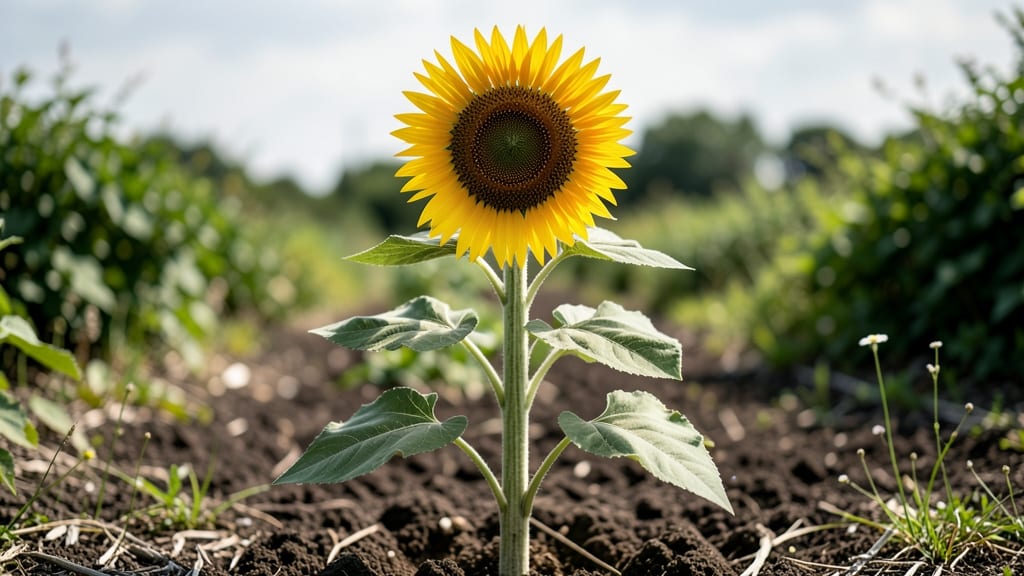
Mammoth sunflowers can grow to 10–16 feet tall—taller than most gardeners expect, and sometimes even reaching the height of a two-story building!
Picture this: a single 🌻 Mammoth Sunflower shooting up beside your patio, its massive blooms towering over you as neighbors stop to take photos. But here’s the catch—size isn’t just about height.
Varieties like Mammoth Russian or Autumn Beauty also spread 1–2 feet wide, and their growth stages demand smart planning to avoid crowding or flopping stems.
If you’re designing your garden layout, spacing matters just as much as sunlight. These giants need 6–12 inches between plants and full sun to hit their full potential. Too little space, and they’ll compete for nutrients; too little light, and their stems stay weak.
I’ll walk you through the exact spacing, sunlight needs, and growth milestones so you can grow them like a pro—no surprises when they start stretching toward the sky.
Ready to turn your garden into a sunflower showstopper? Below, I break down the height ranges by variety, how to support those towering stems, and the 3 biggest mistakes that stunt growth. Let’s get those sunflowers soaring!
Mammoth sunflower height ranges by popular varieties (with exact measurements)
When planning your garden, knowing how big mammoth sunflowers get helps you choose the right variety for your space. These sunflowers aren’t just tall—they’re architectural giants that can reach heights of 10–16 feet, depending on the cultivar.
Some varieties even surpass 12 feet under ideal conditions, making them perfect for creating dramatic focal points or even providing shade in sunny areas.
Not all mammoth sunflowers are created equal, though. The Mammoth Russian variety, for example, is renowned for its towering stature, while others like Autumn Beauty prioritize vibrant blooms over sheer height. Understanding these differences ensures you select the perfect variety for your garden’s layout and aesthetic goals.
Below is a detailed comparison of the most popular mammoth sunflower varieties, including their mature heights, spread, and ideal spacing for full growth. This data will help you visualize how these plants will perform in your garden and how to plan for their impressive stature.
🌻
| Variety | Mature Height | Spread | Ideal Spacing (inches) | Growth Rate |
|---|---|---|---|---|
| Mammoth Russian | 12–16 feet | 1–2 feet | 18–24 inches apart | Fastest-growing |
| Mammoth Single | 10–14 feet | 1–2 feet | 18–24 inches apart | Moderate |
| Autumn Beauty | 10–12 feet | 1–1.5 feet | 12–18 inches apart | Moderate |
| Russian Giant | 14–16 feet | 1–2 feet | 24–30 inches apart | Very Fast |
| Mammoth Grey Streak | 12–14 feet | 1–2 feet | 18–24 inches apart | Fast |
The Mammoth Russian and Russian Giant varieties are the tallest, often reaching heights that make them stand out in any garden. If you’re aiming for a dramatic backdrop or a natural trellis for climbing plants, these are excellent choices.
Meanwhile, the Autumn Beauty variety offers slightly shorter stature but compensates with stunning multi-colored blooms that range from yellow to red.
Spacing is critical for these giants. Planting them too closely can stunt their growth and lead to weak stems, while giving them enough room ensures they reach their full potential. For example, the Russian Giant needs 24–30 inches of space between plants to avoid competition for nutrients and sunlight.
For those with limited space, the Mammoth Single variety is a great compromise, offering impressive height without requiring as much room as the tallest varieties. Its single blooms also make it ideal for cutting gardens, where you can enjoy their beauty both in the garden and in arrangements.
If you’re growing mammoth sunflowers in containers, choose dwarf varieties or plan for large pots with at least 18 inches of depth. Even then, expect some height reduction compared to in-ground planting, as container-grown plants often struggle to reach their full potential due to limited root space.
🌱
When planning your garden layout, consider not only the height of these sunflowers but also their spread and potential for wind damage. Tall varieties like the Mammoth Russian may need staking or support, especially in windy climates, to prevent them from toppling over.
Use bamboo stakes or cages to provide stability without restricting growth.
Finally, remember that these sunflowers thrive in full sun and well-draining soil. Amending your soil with compost before planting will give them the nutrients they need to reach their maximum height.
With the right care, your mammoth sunflowers will become the stars of your garden, offering both beauty and a sense of awe-inspiring scale.
How Mammoth sunflowers grow over time: height progression by week
Watching a Mammoth sunflower grow is like witnessing a living skyscraper rise from the earth. These giants don’t just pop up overnight—they follow a predictable growth pattern, with dramatic height jumps during specific weeks.
Understanding this progression helps you anticipate when to provide support, adjust watering, or even plan your garden layout. Let’s break down their growth week by week, so you can track your own towering sunflowers with confidence.
In the first 1–2 weeks after planting, your Mammoth sunflower seeds will sprout into tiny seedlings, reaching just 2–4 inches tall. This stage is all about root establishment, so keep the soil consistently moist but not soggy.
Thin seedlings to the strongest one per pot or spot to avoid competition. This early growth might seem slow, but don’t be fooled—what happens next will surprise you.
By weeks 3–4, your sunflower will enter its growth spurt phase, shooting up to 1–2 feet tall. This is when you’ll notice the classic sunflower stem thickening and straightening. If you planted multiple seeds, now’s the time to thin to the strongest stem—overcrowding will stunt their growth.
During this stage, increase watering slightly to support the rapid cell division happening underground.
Between weeks 5–6, your Mammoth sunflower will hit a critical milestone: reaching 3–5 feet tall. This is the perfect time to install support stakes or cages, especially if you’re growing varieties like Mammoth Russian that can top 14 feet.
Without support, wind or heavy blooms can snap fragile stems. Monitor for pests like aphids, which love tender new growth—spray with neem oil if you spot them early.
As your sunflower approaches weeks 7–8, you’ll see flower buds forming at the top, and the stem will continue climbing toward 6–8 feet. This is also when you’ll need to adjust your watering routine.
Deep watering 2–3 times per week ensures the plant can support its massive bloom. If your area experiences high winds, consider tying the stem to a sturdy stake with soft plant ties to prevent damage.
By weeks 9–10, your Mammoth sunflower will be in full bloom, standing 9–12 feet tall and turning heads in your garden. This is the peak of its life cycle, and the giant flower head can weigh up to 2 pounds!
Enjoy the show, but also prepare for the final growth phase. Reduce fertilization now—too much nitrogen can delay flowering. Instead, focus on keeping the soil moist and providing afternoon shade if temperatures exceed 90°F.
The final stretch, weeks 11–12, brings your sunflower to its full mature height of 10–16 feet, depending on the variety and growing conditions. At this point, the flower will begin to wilt and seeds will mature. If you’re saving seeds, harvest them before they scatter.
For a dramatic display, leave the dried flower heads on the stem—they’ll provide winter interest and attract birds. With proper care, your Mammoth sunflower will leave a lasting impression in your garden for years to come.