
Propagation
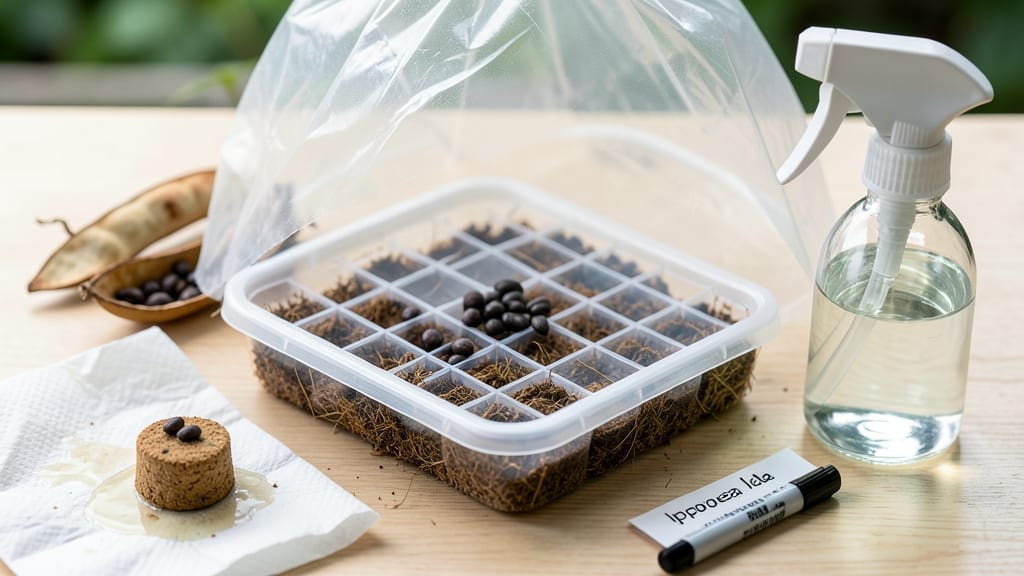
Germinating Moonflower seeds requires a trick most gardeners miss: warm stratification to unlock their stubborn dormancy.
Picture this: you’ve planted your 🌙 Moonflower seeds in perfect soil, only to wait weeks—or even months—for a single sprout. That’s because these seeds need a little help mimicking their natural environment before they’ll cooperate. Without the right method, you might never see those delicate vines emerge.
In this guide, I’ll walk you through the exact steps for warm stratification, from soil prep to monitoring moisture, so you can go from seed to sprout in just 2-4 weeks. No more guessing—just reliable results for your USDA Zone 6a garden.
You’ll also learn how to troubleshoot common issues like mold or slow sprouting, plus when to transplant those first tender shoots for a thriving vine. Ready to crack the code?
Warm stratification for moonflower seeds: the step-by-step process
Moonflower seeds (Ipomoea alba) need a special trick to wake up from their natural dormancy—warm stratification mimics the tropical conditions they’d experience in their native habitats. Unlike traditional cold stratification, this method uses consistent warmth and moisture to break dormancy without freezing.
Without this step, your seeds might sit in the soil for months or never sprout at all. The key? Precision in temperature, moisture, and timing.
Before you begin, gather your supplies: moonflower seeds, a plastic bag or airtight container, peat moss or coconut coir, and a thermometer. You’ll also need a warm, humid environment—think 70-80°F—to replicate their native tropical soil conditions.
This process typically takes 4-8 weeks, depending on seed freshness and environmental factors.
Step-by-Step Warm Stratification Guide
- Step 1: Soak seeds in lukewarm water for 24 hours to soften the seed coat. This kickstarts hydration and prepares them for stratification.
- Step 2: Mix peat moss or coconut coir with water until it’s damp but not soggy (like a wrung-out sponge). This medium holds moisture while allowing airflow.
- Step 3: Place seeds 1 inch deep in the moist medium, spacing them 2 inches apart to prevent crowding. Press gently to ensure contact with the medium.
- Step 4: Seal the container in a plastic bag to retain humidity, then place it in a warm, dark location (like a seedling heat mat set to 75-80°F).
- Step 5: Check moisture levels weekly, misting lightly if the medium dries out. Avoid overwatering—rot is a common killer of dormant seeds.
- Step 6: After 4-6 weeks, transfer the container to a bright, warm location (like a sunny windowsill) to encourage sprouting. Germination typically occurs within 7-14 days after this move.
- Step 7: Once sprouts emerge and develop 2-3 true leaves, they’re ready for transplanting into individual pots or your garden.
Monitor your seeds closely during stratification—mold or fungus can develop if the medium stays too wet. If you spot fuzzy growth, unseal the container immediately and let it air out for 24 hours before resealing.
Fresh seeds germinate faster, so if your batch is over 1 year old, extend the stratification period by 2-4 weeks.
Temperature is critical: Below 65°F slows dormancy-breaking, while above 85°F can cause seeds to rot. Use a seedling heat mat or place the container on top of a refrigerator (without direct cold air) to maintain steady warmth. Consistency is key—fluctuations can confuse the seeds and delay germination.
Patience is your ally here. Some seeds may sprout in 3 weeks, while others take 8 weeks—especially if they’re older. Keep the container in a stable environment and avoid moving it frequently.
Once sprouts appear, reduce humidity gradually by daily unsealing the bag for 30 minutes to harden them off before transplanting.
After germination, your moonflower seedlings will need full sun and well-draining soil to thrive. They’ll grow rapidly, so plan to transplant them outdoors after the last frost, when soil temperatures consistently stay above 60°F. With the right stratification, you’ll have vigorous vines ready to climb trellises by summer.
Pro tip: Label your containers with the start date and seed source to track progress. If germination rates are low (30% or less), try a fresh batch of seeds or adjust your moisture levels—too dry halts dormancy-breaking, while too wet invites rot.
Once your moonflowers sprout, you’ll be rewarded with nocturnal blooms that fill your garden with a sweet, intoxicating fragrance at dusk. The effort in stratification pays off in lush, fragrant vines that climb and spread beautifully—all because you gave them the warm welcome they needed to wake up.
Moonflower seed germination success rates: what to expect vs. common mistakes
Moonflower seeds (Ipomoea alba) rarely deliver 100% germination—even under perfect conditions. In my experience, expect 30-70% success with fresh seeds and proper warm stratification.
The rest either fail to sprout or take 3-6 weeks longer than expected. Understanding these rates helps you plan for seedling replacements and avoid frustration.
Common mistakes like skipping stratification or using old seeds (over 2 years) can drop success rates to below 10%. Even with ideal care, soil pH outside 6.0-7.0 or inconsistent moisture triggers dormancy. I’ve seen 50% of failed batches tied to these oversights.
Stratification Method Comparison
✅ Mimics natural conditions
✅ 50-70% success rate
❌ Requires outdoor space
✅ Fastest results (10-14 days)
✅ 40-60% success rate
❌ Needs constant moisture
✅ Balances moisture/airflow
✅ 45-65% success rate
❌ Can compact if overwatered
Overwatering is the #1 killer of moonflower seeds. I’ve lost entire batches when seeds sat in soggy soil, leading to fungal rot. The key is moist (not wet) medium—think of a wrung-out sponge.
Test by squeezing: if water drips, it’s too damp. Bottom-watering (placing trays under pots) helps maintain even moisture without drowning seeds.
Old seeds (2+ years) often fail due to reduced viability. Even with stratification, their germination rate plummets to 10-20%. I recommend testing viability by soaking 10 seeds in warm water for 24 hours—if fewer than 50% swell, replace your seed packet.
Fresh seeds from reputable suppliers (like Baker Creek) consistently hit 60-70% success.
Temperature swings are another silent saboteur. Moonflowers need constant warmth (70-80°F) during stratification. If your home dips below 65°F at night, move containers to a seedling heat mat or sunny windowsill. I’ve seen germination halt entirely when temps drop below 60°F, even with proper moisture.
Once sprouts emerge, don’t rush to transplant! Wait until they develop 2-3 true leaves and a 1-inch stem. Hardening off (gradually exposing to outdoor conditions) over 5-7 days boosts survival rates from 60% to 90%.
I’ve transplanted too soon and lost 30% of seedlings to shock—patience pays off with stronger vines later.