
How To
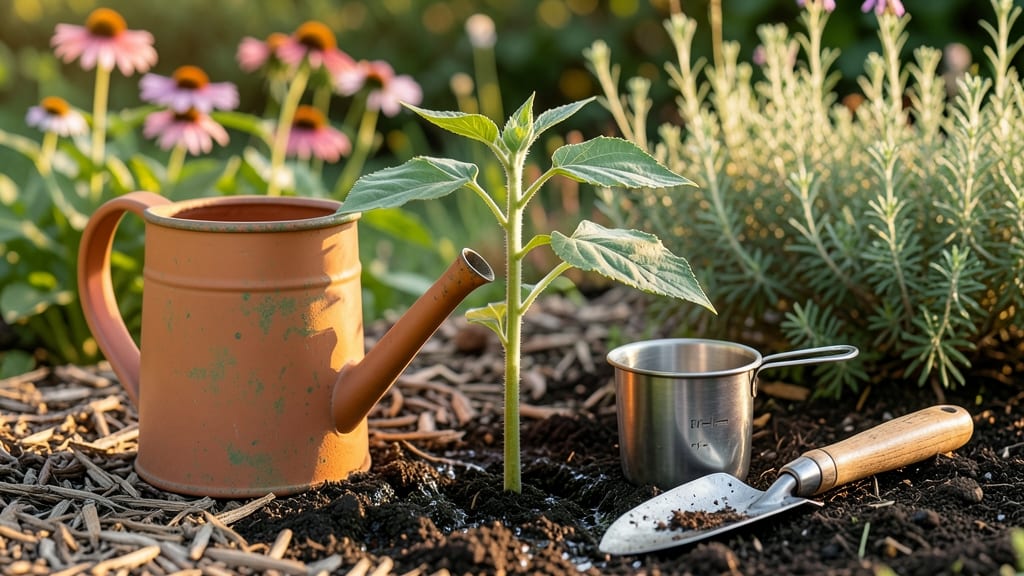
How often to water sunflower seeds is the difference between thriving seedlings and lost efforts—too much or too little can kill them before they even sprout. The secret isn't just in the soil—it's in the watering schedule. Too much or too little can suffocate or dehydrate the seeds, preventing them from breaking through the soil to reach the sun.
During germination, sunflower seeds need soil that stays moist but not waterlogged. Think of it like a damp sponge: just enough to support growth without drowning the tiny roots. Overwatering suffocates seeds, while underwatering leaves them parched and unable to break through the soil.
Below, I break down the exact watering schedule for each stage—from planting to early growth—plus how to adjust for heat waves, clay soil, or container gardening. You'll learn the signs of over- and under-watering and how to fix them fast.
Optimal watering frequency for sunflower seed germination (by stage)
Sunflower seeds need consistent moisture during germination, but the wrong watering schedule can drown them or leave them parched. Unlike mature sunflowers, seedlings are delicate and require precise care to thrive. The key is keeping the soil evenly moist—not soggy, not dry—while avoiding waterlogged conditions that invite rot.
I’ve learned from years of trials that overwatering kills more seedlings than underwatering. Sunflower seeds need just enough water to soften the seed coat and encourage root growth, but too much can suffocate them.
Let’s break down the exact watering schedule for each stage of germination to ensure your seeds sprout strong and healthy.
During the pre-sprout stage, your seeds are most vulnerable. I recommend using a fine mist spray bottle to keep the soil uniformly damp without disturbing the seeds. Aim for 1-2 waterings per day, but adjust based on your climate—hot, dry days may require more frequent misting.
Test moisture by sticking your finger 1 inch deep; it should feel damp but not wet.
Once you see the first green crack (the seed coat splitting), you’ve entered the post-sprout stage. This is when seedlings emerge, and their roots are actively growing. At this point, switch to a gentle watering can or drip irrigation to avoid damaging the delicate sprouts.
Water every 2-3 days, ensuring the soil stays evenly moist but never waterlogged. Overwatering now can cause fungal diseases like damping-off, which turns seedlings to mush overnight.
By the time your sunflowers develop 2-4 true leaves, they’re ready for the early seedling stage. Here, you can space out waterings to every 3-4 days, but depth matters more than frequency.
Water deeply—about 1 inch per sessionbuilding resilience; seedlings that get too much surface water may develop weak stems and fall over.
I’ve found that morning watering is ideal at this stage. It gives seedlings time to dry slightly during the day, reducing the risk of pests like slugs or mold growth. Avoid watering in the evening, as damp foliage overnight can attract blight-causing pathogens.
If you notice yellowing leaves or wilting, it’s often a sign of overwatering—not underwatering—as sunflowers are surprisingly drought-tolerant once established.
As your seedlings grow taller, you’ll notice their leaves darken and their stems stiffen. This is your cue to gradually reduce watering frequency to prepare them for mature plant care.
By the time they’re 6 inches tall, you can stretch waterings to every 5-7 days, always checking the soil’s moisture level before watering. A simple soil moisture meter or the finger test (pushing your finger 2-3 inches deep) will tell you if it’s time to water.
One common mistake I see is assuming that bigger pots mean less watering. Actually, containers dry out faster than garden beds, so you’ll need to water more frequently in pots.
If you’re growing sunflowers in containers, monitor soil moisture daily and water when the top 1 inch feels dry. For in-ground planting, mulch around the base to retain moisture and reduce evaporation.
Remember, sunflowers are sun-loving plants, and their water needs are closely tied to their light exposure. If your seedlings aren’t getting enough sun, they’ll grow leggy and weak, making them more susceptible
Common watering mistakes that kill sunflower seedlings (and how to fix them)
Sunflower seedlings are surprisingly delicate during their first few weeks. I’ve seen healthy seeds turn mushy or crispy just from watering mistakes. The biggest culprits? Overwatering and underwatering, both of which create conditions that choke growth before it starts. Even experienced gardeners sometimes struggle to strike the right balance.
One of the most common errors is assuming "more water = better growth." In reality, sunflower seeds need consistent moisture—not soggy soil. Too much water blocks oxygen, leading to root rot, while too little causes seeds to dry out before sprouting.
Both scenarios leave you staring at empty soil where seedlings should be.
⚠️ Critical Watering Rule for Sunflower Seeds
How often to water sunflower seeds: Maintain even moisture—never let soil dry out completely, but avoid puddles. For germination (days 1-7), water daily with 1/4 inch of water. After sprouting (days 8-14), shift to every other day with 1/2 inch per watering. Use your finger: Top 1 inch should feel damp, not wet.
Pro Tip: Water in the morning to prevent fungal risks from evening dampness.
Let’s start with overwatering symptoms. If your seeds feel soggy or develop a gray mold, you’re drowning them. This happens when soil stays waterlogged for more than 24 hours. Look for yellowing leaves or seeds that smell rotten—these are red flags.
The fix? Let the soil dry slightly between waterings and improve drainage by mixing in perlite or sand.
On the flip side, underwatered seeds show signs like wrinkled soil or seeds that refuse to sprout. If the topsoil feels dry or cracks appear, your seedlings are thirsty.
To recover, soak the area with lukewarm water and cover with a plastic dome (like a cut soda bottle) to retain moisture until sprouts appear. Mulch lightly with straw to slow evaporation.
For emergency recovery, act fast. If seeds are dormant but not rotted, rehydrate by placing the pot in a tray of water for 10 minutes, then drain excess. If you spot mold or wilting, remove affected seeds and replant healthy ones in fresh, well-draining soil.
Prevention is key: Use a moisture meter or the "squeeze test"—if soil clumps when pressed, it’s too wet.
Remember, sunflowers are drought-tolerant once established, but seedlings need consistency. Adjust your schedule based on weather—hot days mean more frequent watering, while cooler spells allow longer gaps. With the right balance, your sunflower seeds will sprout within 7-14 days and grow tall and strong.