
Trees
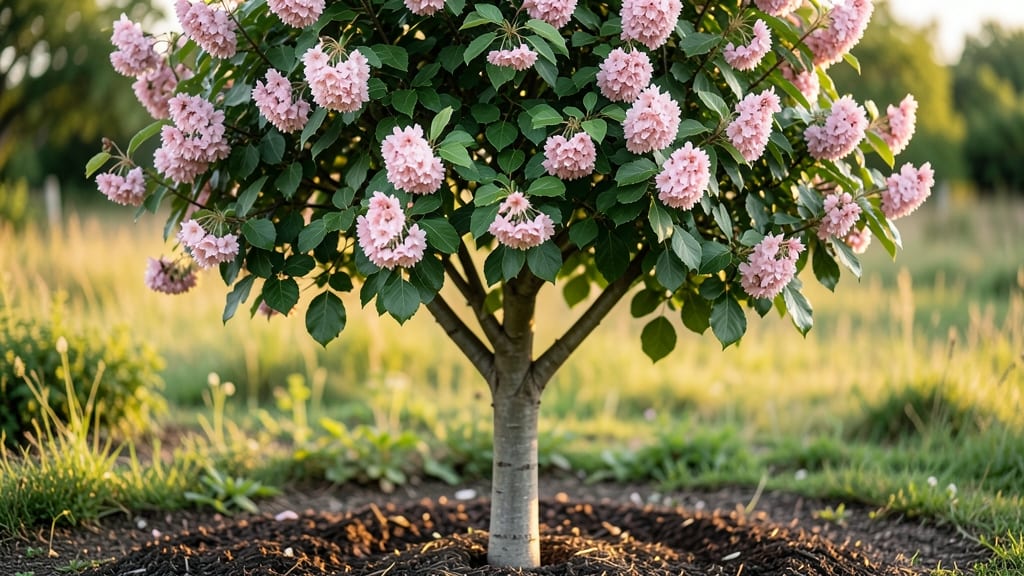
The flowering pear tree growth rate is steady at 3 to 5 feet per year until it reaches maturity, though some varieties bloom faster than others.
Picture this: you’ve just planted your 🌳 in spring, dreaming of those fragrant blossoms by summer. But here’s the catch—some trees take 5 to 7 years to flower, while others can burst into bloom in just 3 years, depending on the variety and care.
Climate plays a huge role, too. In warmer zones like 6a, growth speeds up, while colder regions might see slower progress. The right soil, watering, and pruning can shave years off that timeline—so let’s break down what makes the difference.
You’ll learn which varieties mature fastest, how to tell if your tree is thriving (or struggling), and the simple tricks to push it toward those showstopping blooms sooner.


Flowering pear tree growth rate by variety: fastest vs slowest matured trees
Choosing a flowering pear tree means balancing beauty with patience—some varieties burst into bloom within 3 years, while others take nearly a decade to reach their full glory. The Calleryana family offers stunning options, but their growth rates vary dramatically.
If you're eager for quick color, some cultivars like Cleveland Select deliver faster than others. Let’s break down which varieties grow fastest and which need more time to mature.
Growth rates depend on three key factors: genetics, climate, and care. A Bradford pear in Zone 7 might mature in 7-10 years, while the same tree in Zone 5 could take 12+ years due to slower spring growth.
Even within the same variety, first-year growth can differ by 2-3 feet based on soil quality and watering consistency. Understanding these variables helps set realistic expectations for your landscape timeline.
For gardeners in a hurry, fastest-maturing varieties like Aristocrat or Chanticleer offer a compromise between speed and durability. These trees typically bloom in 4-5 years and reach 20-25 feet in 8-10 years, making them ideal for smaller yards.
Slower growers like Capital or Redspire prioritize longevity over speed, with full maturity taking 12-15 years but offering disease resistance and longer bloom seasons.
The Aristocrat variety stands out as the fastest bloomer, with some trees producing flowers as early as 3 years after planting. This makes it perfect for gardeners who want to enjoy pink or white blossoms quickly while still benefiting from disease resistance.
However, its height of 20-25 feet means it’s best suited for larger properties or as a focal point in urban landscapes.
On the slower end, Redspire and Capital varieties prioritize structural integrity and long-term health over speed. These trees take 8-10 years to bloom but offer darker foliage and longer-lasting flowers, making them ideal for formal gardens where patience pays off.
If you’re in Zone 4 or colder, these varieties also handle winter better than faster-growing types.
Climate plays a surprising role in growth rates. In warmer zones (7-9), flowering pears often grow 1-2 feet faster annually due to longer growing
How climate zones affect flowering pear tree growth speed
Your flowering pear tree’s growth rate isn’t just about genetics—it’s heavily influenced by your USDA hardiness zone. Trees in warmer climates (zones 7-9) often mature faster, while those in colder zones (3-5) may take longer due to seasonal dormancy.
Understanding these differences helps you set realistic expectations and adjust care accordingly.
For example, a Bradford pear in zone 8 might reach 15 feet by year 3, while the same variety in zone 5 could take 5 years to reach half that height.
The key difference? Frost sensitivity and shorter growing seasons in colder regions slow early growth but don’t necessarily delay full maturity—just the timeline to get there.
In zones 3-4, flowering pears often experience delayed spring growth due to late frosts.
Young trees may only gain 1-2 feet annually until they’re 5 years old, when their root systems deepen enough to withstand cold snaps. Mulching heavily in fall can protect roots and encourage faster recovery in spring.
Conversely, zones 7-9 offer nearly year-round growth for flowering pears. With minimal frost risk, these trees can grow 3-5 feet annually in ideal conditions. However, overwatering in humid climates can lead to root rot, so prioritize well-draining soil and morning watering to prevent fungal issues.
Seasonal patterns also play a role. In zones 5-6, flowering pears often flush new leaves in May and enter dormancy by October, resulting in 2-3 months of active growth per year.
To compensate, focus on early spring fertilization and summer pruning to redirect energy toward vertical growth rather than dense foliage.
Pro tip: If you’re in a transition zone (like zone 6b), choose disease-resistant varieties like Cleveland Select, which tolerate late frosts better than Bradford pears. These varieties often bloom 2-3 weeks later, avoiding frost damage to delicate flowers.
Regardless of your zone, full sun exposure is non-negotiable for optimal growth. Even in warmer climates, flowering pears need 6+ hours of direct sunlight daily to produce those showstopping blooms you’re dreaming of.
Pair that with consistent moisture and proper pruning, and you’ll see the fastest possible maturity for your climate.