
Flowers
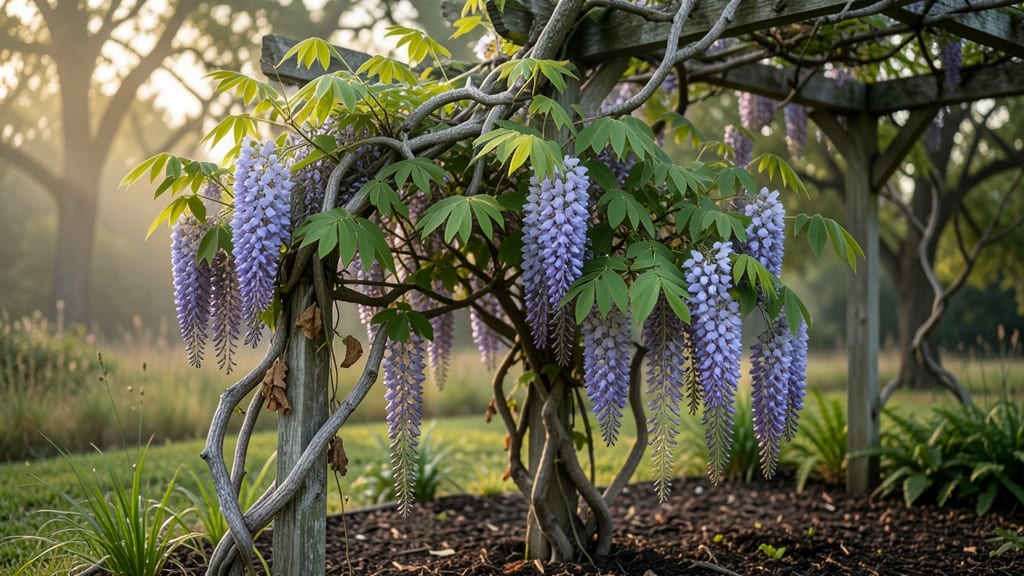
Wisteria flowers bloom in late spring to early summer 🌸, usually between May and June, but the exact timing depends on your variety and climate zone.
If you’ve ever dreamed of a cascading canopy of fragrant wisteria blooms, timing is everything—planting too early or late can mean missing the show entirely.
The exact bloom period depends on your variety and climate, but knowing these details ensures you’ll witness (and photograph) wisteria’s stunning floral displays year after year.
Most gardeners in Zone 6a see their wisteria burst into color around mid-May, but coastal climates can push blooms earlier, while inland areas might delay them until June.
Even the color plays a role—purple varieties often bloom slightly earlier than white or blue types, so variety selection matters just as much as location.
In this guide, I’ll break down the precise bloom windows for popular wisteria types, how to adjust for your climate, and the 5 pro tips that guarantee lush, timely blooms every year—no guesswork required.
Exact bloom months for popular wisteria varieties
Wisteria’s breathtaking floral displays make it a garden favorite, but not all varieties bloom at the same time. The exact bloom months depend on whether you’re growing Chinese wisteria, Japanese wisteria, or American wisteria, each with its own timing quirks.
Understanding these differences helps you plan trellises, photograph the perfect shot, or even choose varieties that extend your blooming season from early spring to late summer.
Color also plays a role—purple varieties like ‘Amethyst Falls’ often bloom slightly earlier than white varieties such as ‘White Cascade’. Meanwhile, blue-tinged blooms (like ‘Royal Purple’) tend to appear later in the season.
Let’s break down the precise bloom windows so you can anticipate when your wisteria will transform into a fragrant, flower-covered masterpiece.
If you’re growing multiple wisteria varieties, you can create a staggered bloom effect that lasts from late April to early July. For example, planting 'Longissima' (early April) alongside 'White Cascade' (late May) ensures your garden stays in bloom for nearly three months.
This is especially useful if you want to extend the visual appeal of your outdoor spaces or capture photos throughout the season.
Color also influences bloom timing slightly. Purple varieties like ‘Amethyst Falls’ tend to bloom 1-2 weeks earlier than white varieties, thanks to their slightly higher sensitivity to temperature shifts.
Meanwhile, blue-tinged blooms (like ‘Royal Purple’) often wait until mid-May or later because they require a bit more warmth to trigger flowering. This means if you’re chasing specific colors, timing your plantings accordingly can make all the difference.
One common misconception is that wisteria blooms only once per year. While most varieties follow a single annual bloom cycle, some—like Japanese wisteria 'Prolific'—may produce secondary blooms in late summer if given ideal conditions.
To encourage this, ensure your vine receives full sun exposure and balanced fertilization during the growing season. Pruning after the main bloom can also stimulate new growth that might flower again later.
For gardeners in cooler climates (USDA Zones 5-6), wisteria blooms may shift 2-3 weeks later than the listed months. For instance, ‘Amethyst Falls’ might not bloom until early June instead of late April. Conversely, in warmer zones (7-9), blooms can appear as early as March.
Pay attention to your local last frost date—wisteria needs consistent warmth to trigger flowering, so planting too early in cold regions can delay or even prevent blooms entirely.
If you’re new to growing wisteria, remember that young vines (under 3 years old) may not produce many flowers. Patience is key—most wisteria varieties reach their full blooming potential between years 4-7.
During these early years, focus on establishing a strong root system by providing well-draining soil, regular watering, and adequate support (like a sturdy trellis). Once established, your wisteria will reward you with dramatic, fragrant displays
How climate zones affect wisteria bloom timing
Wisteria’s bloom timing shifts dramatically across USDA climate zones, with some regions seeing flowers as early as April while others wait until June. The 10-degree Fahrenheit temperature differences between zones can delay or advance blooms by 2-4 weeks, making your location a critical factor in planning.
Coastal areas often bloom 1-2 weeks earlier than inland zones due to milder winters and slower spring warming.
For example, gardeners in Zone 6 typically enjoy blooms in late May to early June, while those in Zone 9 may see flowers as early as March.
These shifts happen because wisteria’s buds require chilling hours (300-600 hours below 45°F) to break dormancy, and colder zones provide more of these hours earlier in the season. Understanding your zone helps you choose varieties that sync with your local climate.
If you live in a marginal zone (like Zone 7b where winters fluctuate), you can force earlier blooms by applying black plastic mulch in early spring to warm the soil. For later blooms in warm zones, prune lightly in winter to reduce heat stress on buds.
Coastal gardeners often find their wisteria blooms 1-2 weeks ahead of inland neighbors due to the moderating ocean influence.
Another key factor is microclimates—a south-facing wall can advance blooms by 10-14 days compared to a north-facing location.
I once saw a Japanese wisteria in Zone 6 bloom in early May near a brick wall, while the same variety 50 feet away in open ground didn’t flower until mid-June. Pay attention to these localized heat pockets when planning your vine’s location.
For gardeners in Zones 3-5, where winters are harsh, winter protection like burlap wraps can prevent bud freeze and ensure reliable blooms. In Zones 8-10, where winters are mild, wisteria may bloom too early and risk frost damage.
Here, I recommend choosing late-blooming varieties like 'Amethyst Falls' or providing light shade during late winter to delay bud break.
Remember, wisteria’s first blooms often appear on 2-3 year-old wood, so young plants may take 3-5 years to reach full bloom potential. Patience pays off—once established, a healthy wisteria will reward you with spectacular, fragrant displays that last 2-3 weeks each season, timed perfectly to your local climate. 🌸