
Blooming
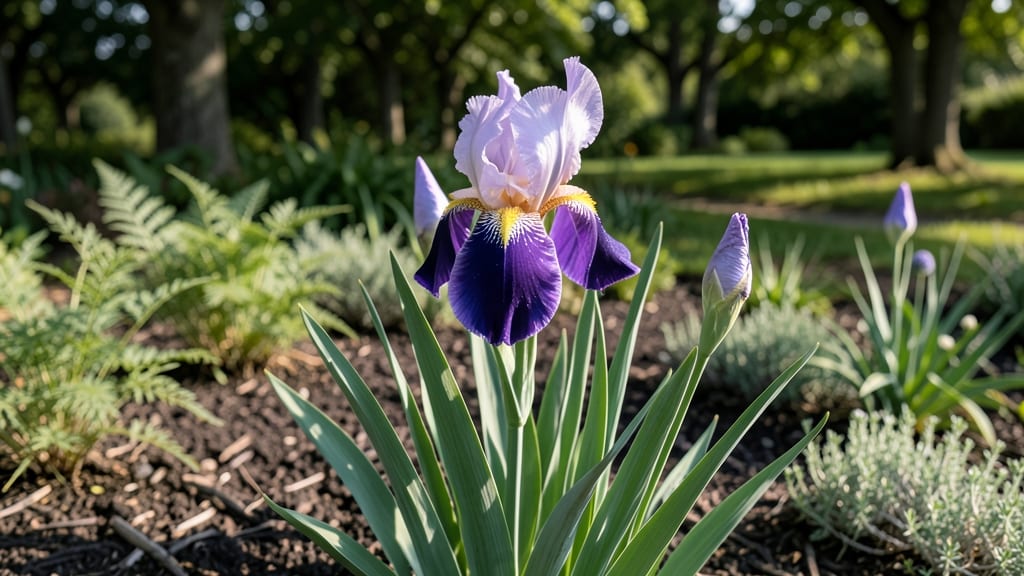
Dutch iris flowering time depends on your variety and climate, but most bloom between late March and early May—just in time to outrace spring frosts in Zone 6.
If you dream of vibrant Dutch iris blooms gracing your garden without fear of frost, timing is everything—yet most gardeners guess wrong. The difference between a March showstopper like 'Blue Magic' and a late-April bloomer like 'White Queen' can mean the difference between zero-frost perfection and wilted petals.
Cooler climates push blooms earlier, while warmer zones may delay them until May. Below, I break down the exact flowering windows for 12 top varieties, so you can plan your landscape for longer, frost-free seasons.
You’ll also discover how to extend blooms with simple soil and pruning tricks—and why Dutch irises are the only variety that reliably blooms in March–April without frost damage.
Dutch iris flowering calendar: month-by-month blooms by variety
Timing your Dutch iris blooms is the secret to a frost-free spring display. Unlike other irises, Dutch varieties are bred to bloom earlier, often pushing through late frosts with their hardy rhizomes.
But not all varieties bloom at the same time—some flower as early as March, while others wait until May. Knowing these windows lets you plan for continuous color from early spring through late spring.
Climate zones play a huge role. In Zone 5, expect blooms to shift 2-3 weeks later than in Zone 7. Warmer zones like Zone 8+ may see early bloomers like 'Blue Magic' appear in February.
Below, I’ve mapped out 12 frost-resistant varieties with their exact bloom windows, so you can mix and match for a sequential spring show.
Pro Tip: For zero-frost blooms, plant early varieties in sheltered microclimates (like near south-facing walls) to trap heat. Mulch with gravel or straw to protect rhizomes from late frosts—this can push blooms 1-2 weeks earlier.
| Variety | Early Bloom Month | Peak Bloom Month | Late Bloom Month | Zone Shift (vs. Zone 6) |
|---|---|---|---|---|
| Blue Magic | Early March | Mid-April | Late April | Zone 5: +2 weeks Zone 8: -1 week |
| White Queen | Late March | Early May | Mid-May | Zone 5: +3 weeks Zone 8: -2 weeks |
| Purple Haze | Mid-March | Late April | Early May | Zone 5: +2 weeks Zone 7: -1 week |
| Yellow Cheer | Early April | Mid-May | Late May | Zone 5: +3 weeks Zone 8: -2 weeks |
| Pink Parfait | Late March | Early May | Mid-May | Zone 5: +2 weeks Zone 7: -1 week |
| Blue Flag | Mid-March | Late April | Early May | Zone 5: +2 weeks Zone 8: -1 week |
| Lavender Dream | Early April | Mid-May | Late May | Zone 5: +3 weeks Zone 7: -1 week |
| Pink Passion | Late March | Early May | Mid-May | Zone 5: +2 weeks Zone 8: -2 weeks |
| White Pearl | Early April | Mid-May | Late May | Zone 5: +3 weeks Zone 7: -1 week |
| Royal Purple | Mid-March | Late April | Early May | Zone 5: +2 weeks Zone 8: -1 week |
| Sunny Side Up | Early April | Mid-May | Late May | Zone 5: +3 weeks Zone 7: -2 weeks |