
Flowers
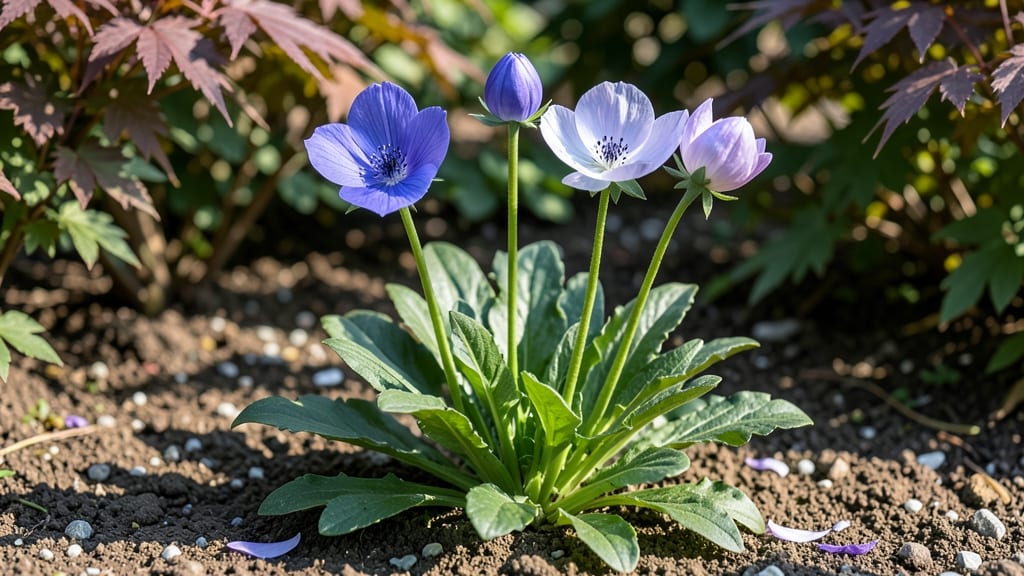
Balloon flower blooms typically arrive between June and September 🌸, but the exact timing depends on your variety, climate, and a few simple care tricks you might be missing.
If you’ve ever planted balloon flowers (Platycodon grandiflorus) only to wait endlessly for those iconic blooms, you’re not alone—timing is everything for zero-frost success.
But here’s the secret: different varieties bloom at very different times, and knowing the exact months for each can mean the difference between a stunning summer display and disappointment.
In USDA Zone 6a, where frost lingers until mid-April, early bloomers like 'Fuji Pink' often burst into color by late June, while late-season varieties like 'Blue Moon' may not peak until August.
The key? Planting in March or April, when soil warms to 60°F, and giving them full sun to trigger those vibrant, balloon-like buds.
Below, I’ll break down the exact bloom windows for popular varieties, how to extend their flowering season, and the one trick that keeps your Balloon Flowers blooming for weeks longer than the neighbors’. Ready to turn your garden into a summer-long showstopper?
Balloon flower bloom time by variety: exact months for peak color
Timing is everything when it comes to balloon flower blooms (Platycodon grandiflorus), and different varieties have distinct peak bloom windows that can vary by 3-4 weeks.
Whether you're in USDA Zone 5 or a frost-free coastal region, knowing these exact months helps you plan for continuous summer color. Early bloomers like 'Fuji Pink' start as early as late May, while late varieties like 'White Queen' may not peak until early August.
Climate plays a huge role in bloom timing—plants in warmer zones (7-9) often bloom 2-3 weeks earlier than those in cooler regions (4-6).
For example, 'Marine Blue' typically blooms in June-July in Zone 5 but may start as early as May in Zone 8. Frost dates are critical: always plant after your last average frost date to ensure healthy root establishment before blooming begins.
Here’s the exact breakdown of when to expect peak color from 10 top varieties, adjusted for frost-free regions (Zones 7-9). These timelines assume full sun exposure and well-draining soil—the two biggest factors for consistent blooming.
If you’re in a frost-free zone (7-9), you can push your
How to extend balloon flower bloom time with simple gardening hacks
Balloon flowers (Platycodon grandiflorus) are stunning perennials that reward patience with vibrant blooms—but those flowers can fade faster than you’d like. The key to extending their bloom time lies in a few simple yet powerful gardening hacks.
Whether you're dealing with late-summer wilting or short-lived blooms, these tricks will keep your plants flowering for weeks longer. The secret? Mimicking their natural growing conditions while giving them the right care at the right time.
First, let’s tackle the most effective method: deadheading. This isn’t just about tidying up—it’s a game-changer for prolonging blooms. When you remove spent flowers, you’re telling the plant to redirect its energy into producing new buds instead of seeding.
For balloon flowers, this means snipping off faded blooms just above the first set of leaves. Do this consistently, and you’ll see a second flush of flowers in just a few weeks. It’s like hitting the reset button on your plant’s flowering cycle!
5 Proven Hacks to Extend Balloon Flower Bloom Time
- 1. Deadhead daily: Snip off spent blooms to encourage new flower production. Use clean pruners to avoid disease.
- 2. Adjust soil pH: Test your soil—balloon flowers thrive in slightly acidic to neutral pH (6.0-7.0). Add lime to raise pH if needed.
- 3. Water deeply: Provide 1 inch of water weekly during dry spells. Avoid soggy soil to prevent root rot.
- 4. Mulch heavily: Apply 2-3 inches of mulch to retain moisture and regulate soil temperature.
- 5. Plant companions: Pair with thyme or lavender to deter pests and improve airflow around stems.
Soil pH plays a surprisingly big role in how long your balloon flowers will bloom. These plants prefer a slightly acidic to neutral pH range of 6.0 to 7.0.
If your soil is too alkaline (common in many regions), the plant will struggle to absorb nutrients, leading to weaker stems and shorter bloom times. Test your soil with a simple kit from your local garden center, and adjust by adding pelletized lime if the pH is too low.
For acidic soil, mix in sulfur or peat moss. The goal is to create the perfect environment where your plants can focus their energy on producing flowers rather than fighting nutrient deficiencies.
Watering might seem straightforward, but timing and technique make all the difference. Balloon flowers need consistent moisture, especially during their blooming season (June through August in most climates). Water deeply in the early morning to allow foliage to dry quickly, reducing the risk of fungal diseases like powdery mildew.
Aim for about 1 inch of water per week, but adjust based on rainfall and temperature. In zero-frost zones, you might need to water more frequently during heatwaves.
Pro tip: Use a drip irrigation system or soaker hose to deliver water directly to the roots, minimizing evaporation and keeping the foliage dry.
Don’t underestimate the power of companion planting. Strategic pairings can extend bloom time by improving plant health and deterring pests. For example, planting thyme or lavender nearby repels aphids and other pests that can stress your balloon flowers.
Additionally, taller plants like delphiniums or hollyhocks can provide shade for the roots during the hottest part of the day, helping the soil retain moisture longer. This simple trick can make your balloon flowers bloom 2-3 weeks longer by reducing stress and creating a more favorable microclimate.
Finally, consider a light mid-summer feeding to give your plants the extra boost they need. Use a balanced fertilizer (10-10-10) in early July to encourage new growth and more blooms. Avoid heavy fertilizers late in the season, as this can promote leafy growth at the expense of flowers.
Pair this with a thin layer of compost worked into the soil to improve nutrient availability naturally. With these adjustments, your balloon flowers will reward you with longer-lasting blooms and a more vibrant display all season long.
With these hacks in your gardening toolkit, you’ll transform your balloon flowers from a fleeting summer splash of color into a long-lasting centerpiece. The best part? These methods require minimal effort but yield maximum results. Happy gardening!