
Watering
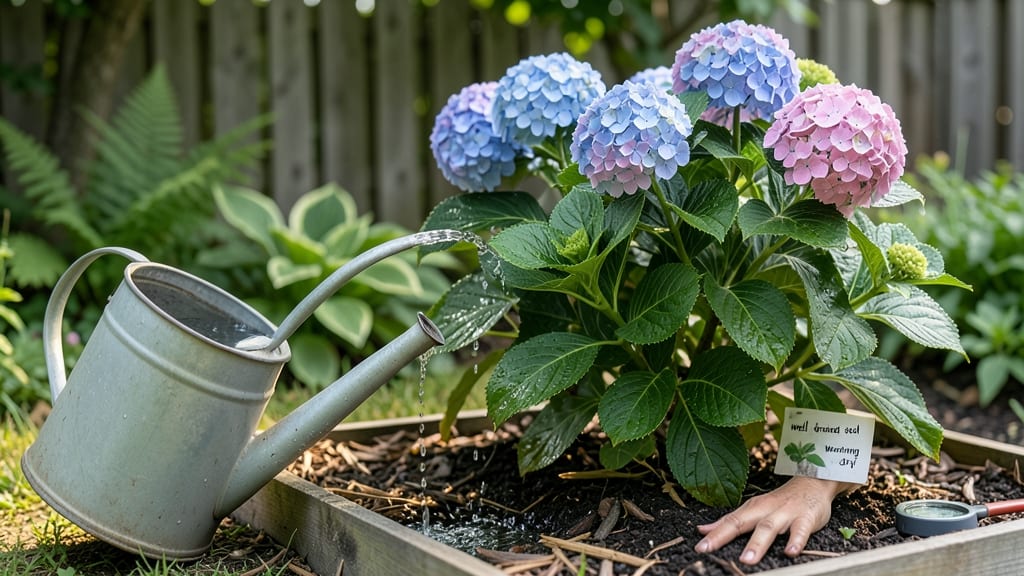
Do you have to water flowers every day? The answer might surprise you—and the truth is, doing so could actually harm your 🌸 instead of helping them.
Overwatering kills more plants than underwatering—so if you’re constantly guessing whether your flowers need daily hydration, you’re not alone. The truth is, most flowers thrive on a schedule that surprises even seasoned gardeners.
Instead of sticking to a rigid routine, focus on soil moisture, weather conditions, and plant type. A quick finger test in the soil or checking for wilting leaves can tell you more than a calendar ever will.
Below, I’ll break down how often different flowers truly need water, when to adjust your schedule, and the subtle signs that reveal whether you’re overdoing or underdoing it.


How often should you water flowers based on plant type
Watering flowers isn’t a one-size-fits-all task—what works for succulents can drown petunias. The key lies in understanding root depth, soil type, and your local climate.
Most gardeners overestimate how often flowers need water, leading to wasted resources and root rot. Let’s break down the science so you can water with confidence, not guesswork.
Your flower’s root system determines how often it drinks. Shallow-rooted annuals like marigolds need frequent, light watering, while deep-rooted perennials such as peonies store moisture and thrive on less frequent, deeper soaks. Even the same plant type behaves differently in sandy soil (drains fast) versus clay soil (holds moisture).
| Plant Type | Water Frequency | Root Depth | Climate Adjustment |
|---|---|---|---|
| Annuals (e.g., petunias, impatiens) | Every 1-2 days (summer) | Shallow (0-6 inches) | Dry climates: daily; humid: every 2 days |
| Perennials (e.g., daylilies, coneflowers) | Every 3-5 days (established) | Moderate (6-12 inches) | Drought: every 7 days; rain: skip |
| Succulents (e.g., sedum, echeveria) | Every 2-4 weeks | Deep (12+ inches) | Hot/dry: every 3 weeks; cool: monthly |
| Bulbs (e.g., tulips, daffodils) | Every 5-7 days (spring) | Moderate (6-10 inches) | Rainy season: reduce by 50% |
| Newly planted (all types) | Every 2-3 days (first 2 weeks) | Varies (focus on soil moisture) | Mulch to retain moisture |
For annuals, think of watering like a morning coffee—consistent and light. These thirsty plants have shallow roots that dry out quickly, especially in full sun. Check soil moisture by sticking your finger 1 inch deep; if it’s dry, water until moisture reaches 6 inches down.
In hot climates, you might need to water daily, but in humid areas, every other day suffices.
Perennials are the low-maintenance stars of the garden. Once established, their deep roots access water stored below the surface.
A good rule of thumb: water deeply every 3-5 days in summer, then taper off in fall. Mulching with 2-3 inches of organic matter (like shredded leaves) locks in moisture and reduces evaporation by up to 30%. This is especially critical for drought-tolerant perennials like lavender or black-eyed Susans.
Succulents and cacti are the rebels of the flower world—they’d rather you underwater than overwater. Their thick leaves store water like nature’s sponges, so water every 2-4 weeks in summer, and monthly in winter. The soil mix is key here: use a blend with 50% perlite or pumice to mimic their arid habitats. Pro tip: if your succulent’s leaves start puckering, it’s thirsty; if they’re mushy, you’ve drowned it.
Climate plays a bigger role than most gardeners realize. In arid regions like Arizona, even perennials may need daily watering in peak summer, while in Pacific Northwest rainforests, you might skip watering entirely for months.
Pay attention to local rainfall: if you’ve had 1 inch of rain in a week, hold off on watering. Use a rain gauge or free weather apps to track precipitation and adjust your schedule accordingly.
Don’t forget about container-grown flowers—they dry out 3x faster than in-ground plants. Potted petunias or geraniums often need watering every 1-2 days in summer. Upgrade to self-watering pots or add moisture-retaining granules to extend time between waterings.
And always water at the base of the plant, not overhead, to prevent fungal diseases like powdery mildew.
Here’s a quick test to check if you’re watering correctly: lift a plant gently. If the soil feels light and dry at the top 1-2 inches, it’s time to water.
If it’s cool and moist, wait another day. Overwatering is the silent killer—yellow leaves, mushy stems, and
5 Signs your flowers are overwatered (and how to fix it)
If your flowers look more miserable after watering than before, you might be overdoing it. Overwatering is a silent killer—it drowns roots, suffocates soil, and invites mold before you even notice. The worst part?
Your plants may still look plump and green on the surface while rotting underground. Let’s uncover the 5 red flags that scream "I’m drowning here!" and how to revive them.
Most gardeners assume wilting means thirsty plants, but wilting can also mean waterlogged roots struggling for air. The key is checking the soil and leaves, not just the watering schedule.
For example, petunias and marigolds wilt dramatically when overwatered, while succulents turn mushy and translucent. Let’s break down the warning signs and fix them fast.
🚨 Overwatering Alert!
Stop watering immediately if you see 3+ of these signs:
- Yellow leaves that stay yellow even after trimming
- Mushy stems or blackened base (root rot)
- White mold on soil surface (fungus)
- Wilting despite wet soil (roots can’t breathe)
- Slow growth or no new blooms
Fix it: Let soil dry 2-3 inches deep before watering again. Use a moisture meter or stick your finger in—if it’s damp past 1 inch, wait. For potted plants, check drainage holes; if water pools, repot with well-draining mix.
First, check the color of your leaves. Healthy flowers have vibrant green foliage, but overwatered plants develop yellowing leaves starting from the bottom. This chlorosis happens when roots can’t absorb nutrients due to waterlogged soil.
For example, roses and hydrangeas often show yellowing if their roots sit in soggy conditions. Prune the yellow leaves to redirect energy, but don’t over-prune—you’re not fixing the root issue yet.
Next, inspect the soil surface for white or gray mold. This fuzzy growth is fungal gnats or powdery mildew, thriving in damp, shady conditions. If you see it, remove affected soil and replace it with fresh, sterilized compost.
Add a 1-inch layer of mulch (like straw or pine bark) to prevent future mold. For container plants, rinse the soil with a 3% hydrogen peroxide solution (1 part peroxide to 3 parts water) to kill fungus.
Here’s a quick recovery plan for overwatered flowers:
- Stop watering for 3–5 days to let soil dry.
- Loosen compacted soil with a fork to improve airflow.
- Repot if needed—use a pot with drainage holes and cactus/succulent mix for heavy drinkers like impatiens.
- Water deeply but less often—aim for 1 inch per week in dry climates.
Finally, adjust your watering routine based on your flower type and climate. Succulents and lavender need weekly watering (or less), while petunias and geraniums prefer daily moisture in summer. Always water at the base of the plant, not the leaves, to avoid fungal diseases.
With these fixes, your flowers will bounce back in 2–4 weeks—just give them time to dry out!