
Plants
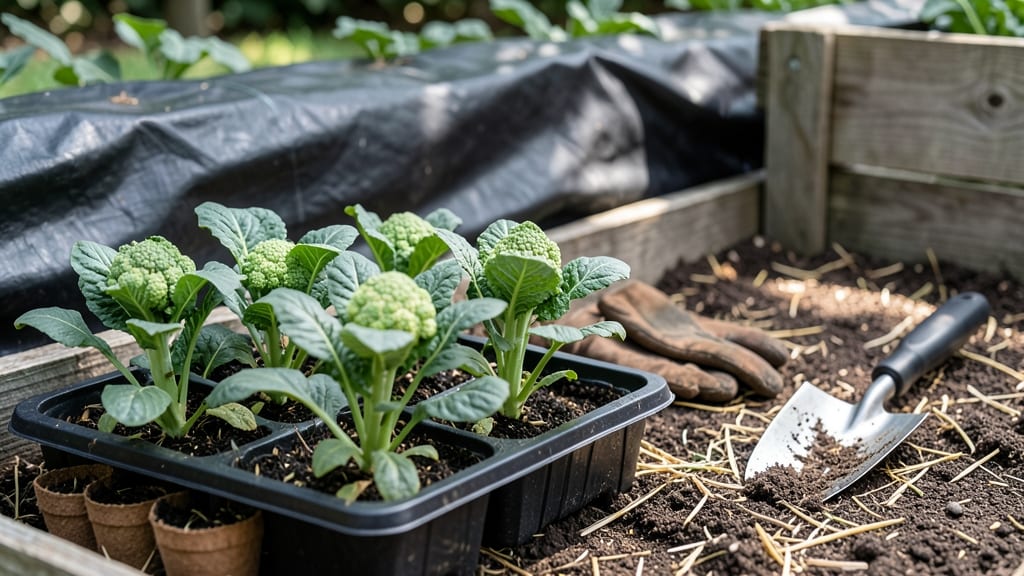
To plant cauliflower in Zone 7 for the best harvests, aim for early spring or late summer when soil temperatures hover between 50°F and 70°F—this is the sweet spot for steady growth.
Cauliflower thrives in cool weather, but planting it at the wrong time in Zone 7 can mean floppy heads or bitter flavors—here’s exactly when to sow for a bumper harvest. Miss the window, and you’ll end up with tough, stringy curds or plants that bolt before they mature.
In Zone 7, your two best shots are March to April for spring planting or August to early September for a fall crop. The key is timing it so the heads form before summer’s heat or winter’s frost arrives.
Below, I’ll break down the exact soil temperature triggers, how to adjust for late frosts, and why some varieties need a head start indoors. You’ll leave here with a clear planting schedule tailored to your Zone 7 garden.
Best planting windows for cauliflower in Zone 7 by soil temperature
Cauliflower grows best when soil temperatures stay between 50°F and 70°F. In Zone 7, this means timing your plantings carefully to avoid heat stress or premature bolting.
The key is to start seeds when the ground warms enough to support germination without overheating the plants later in the season.
For most Zone 7 gardeners, the ideal soil temperature for planting cauliflower is between 50°F and 60°F. This range ensures strong seedling development without triggering early bolting—a common issue when soil gets too warm. Let’s break down the best windows based on your local climate triggers.
📌 Here’s the critical rule: Never plant cauliflower when soil temperatures exceed 75°F—this causes bitter flavors and poor head formation. Use soil thermometers to track temperatures if you’re unsure.
| Planting Window | Soil Temp Range | Zone 7 Months | Frost Risk | Harvest Window |
|---|---|---|---|---|
| Early Spring (Indoor Start) | 40°F-50°F | February-March | Low (use row covers) | May-June |
| Early Spring (Direct Sow) | 50°F-60°F | March-April | Moderate (after last frost) | June-July |
| Late Summer (Fall Crop) | 55°F-65°F | August-September | High (plant 8-10 weeks before first frost) | October-November |
| Avoid (Too Hot) | Above 75°F | June-July | N/A | Poor yields |
Your first planting window in Zone 7 opens in early spring (March-April) when soil temperatures consistently reach 50°F. Start seeds indoors 6-8 weeks before your last frost date (typically mid-April in Zone 7) to give seedlings a head start. Transplant outdoors only after nighttime temperatures stay above 40°F.
For a fall harvest, focus on late summer plantings (August-September). Aim to have heads mature before the first frost (around mid-October in Zone 7). Soil temperatures should be 55°F-65°F—cool enough to prevent bolting but warm enough for germination.
If you’re growing heat-tolerant varieties like ‘Cheddar’ or ‘Graffiti’, you can push the envelope slightly by planting in early June for a late-summer harvest. However, expect smaller heads and more bitter flavors unless you provide afternoon shade.
Pro tip: Use black plastic mulch to warm soil faster in spring or straw mulch to cool soil in summer. Both tricks help fine-tune planting times based on your microclimate. Monitor soil temps with a cheap soil thermometer—it’s the difference between success and disappointment!
Remember, succession planting is your friend in Zone 7. Sow new seeds every 2-3 weeks in spring and again in late summer to stagger harvests. This ensures you’re always enjoying fresh cauliflower instead of dealing with a glut all at once.
One last warning: Never plant cauliflower in late spring (May-June) unless you’re using shade cloth. The combination of heat stress and long daylight hours will trigger bolting—turning your promising seedlings into bitter, seed-producing plants before they form heads.
With these soil temperature triggers in mind, you’ll be harvesting tight, flavorful cauliflower heads twice a year in Zone 7—once in late spring and again in fall. Happy planting! 🥬
How to adjust cauliflower planting for Zone 7’s microclimates
Zone 7’s microclimates can shift your cauliflower’s ideal planting window by weeks—sometimes even months. Whether you’re in a high-altitude valley or a paved city heat sink, these local conditions change frost dates, soil warming, and heat stress risks.
For example, my urban backyard runs 5°F warmer than my rural neighbor’s plot, so I adjust planting dates accordingly.
If you’ve ever wondered why your neighbor’s cauliflower thrives while yours bolts prematurely, it’s likely due to these microclimate factors. Sheltered spots near buildings or south-facing slopes warm faster in spring, while shaded areas or high elevations stay cooler longer.
I’ll show you how to tweak your schedule for these conditions to maximize your harvest.
- Urban Heat Islands: Plant 2-3 weeks earlier than rural areas—soil warms 5-10°F faster near pavement.
- High-Altitude Gardens: Delay planting by 10-14 days—cooler nights slow growth; aim for 55°F soil temp.
- Sheltered Spots: Extend fall planting by 3-4 weeks—microclimates near fences/walls delay frost by 1-2 weeks.
- Wind-Exposed Areas: Start seeds indoors 8 weeks early—transplant hardened-off plants to protect from drying winds.
- Low-Lying Areas: Avoid spring planting—cold air sinks, increasing frost risk; opt for late summer instead.
For urban heat islands, I’ve found that planting purple cauliflower varieties like ‘Graffiti’ in early March works perfectly—these heat-tolerant types handle the extra warmth better than white varieties. In my high-altitude garden (2,500 ft elevation), I wait until mid-April to direct-sow, even though my rural friends start in March.
If your garden has sheltered microclimates, like a south-facing wall or dense shrubbery, you can push fall planting into early October. I once grew ‘Snowball Y Improved’ until November 1st in a protected corner—just cover plants with row fabric when temps drop below 40°F at night.
For windy locations, prioritize compact varieties like ‘Cheddar’ and start seeds indoors. I’ve seen cauliflower heads split open from wind stress—hardening off seedlings for 2 weeks before transplanting makes a huge difference. Always choose a protected spot or use windbreaks.
Remember, soil temperature is your best guide—use a soil thermometer to confirm 50°F-70°F ranges before planting. In Zone 7, microclimates can turn a failed harvest into a bountiful one with just a few adjustments. Start experimenting this year!