
Planting
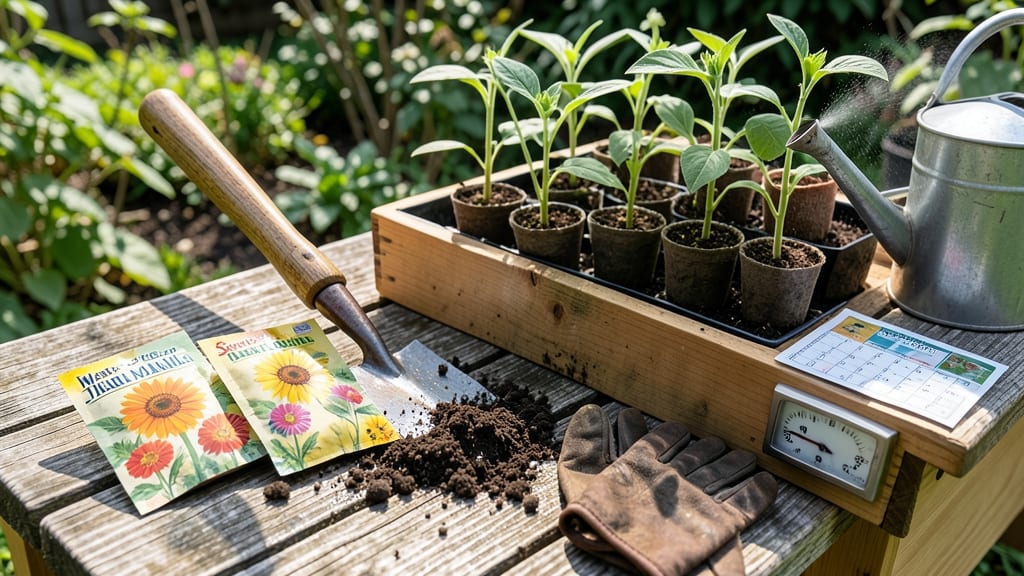
The best time to plant flower seeds depends on your zone and the type of blooms you're dreaming of 🌸 — but getting it right means the difference between a garden that thrives and one that fizzles before it starts.
Timing your flower seed planting wrong can mean wilting dreams before your garden even blooms—yet getting it right unlocks vibrant, frost-proof blooms all season long.
Whether you're in a chilly USDA Zone 6a or a warm coastal area, the key is knowing when to start seeds indoors and when to sow them directly outside.
Fast-germinating flowers like zinnias and cosmos can handle direct sowing as soon as the soil warms, while delicate varieties like snapdragons need a head start indoors. Below, I’ll break down the exact months for your region, plus 5 pro tips to stretch your blooming season without risking frost damage.
Ready to turn your seed packets into a showstopping garden? You’ll learn how to calculate your last frost date, match varieties to your climate, and even use simple tricks like frost cloth to protect young seedlings—so you can enjoy flowers from spring to fall.


USDA planting Zones & frost dates: when to start flower seeds indoors vs outdoors
Getting your flower seeds in the ground at the right time means the difference between a blooming paradise and a sad pile of frost-nipped seedlings. The key? Understanding your USDA planting zone and calculating your local last frost date.
These two factors determine whether you should start seeds indoors or direct-sow outdoors. Let’s break it down so you can plant with confidence—no more guessing games!
Your USDA zone (3-10) tells you your average minimum winter temperatures, while your last frost date marks the safe window to plant outdoors. For example, Zone 3 gardeners face late May last frosts, while Zone 10 might never see frost at all.
But here’s the twist: even if you’re in a warm zone, some cold-sensitive flowers (like marigolds or petunias) still need indoor starts to avoid early-season chill.
To find your exact last frost date, check your local National Weather Service or USDA Plant Hardiness Zone Map. If you’re unsure, add a 10-day buffer to your estimated date—better safe than sorry!
For instance, if your last frost is April 15, count backward 6-8 weeks for indoor starts (like tomatoes or geraniums) or wait until 2 weeks after for direct-sowing cold-hardy flowers like pansies or snapdragons.
| USDA Zone | Avg. Last Frost Date | Indoor Start Window | Outdoor Sowing Window | Cold-Hardy Flowers |
|---|---|---|---|---|
| Zone 3 | Late May | Feb 15–March 15 | June 1–July 15 | Pansies, Snapdragons, Calendula |
| Zone 4 | Mid-May | March 1–April 1 | May 15–June 30 | Sweet Alyssum, Larkspur, Stock |
| Zone 5 | Early May | March 15–April 15 | April 30–June 15 | Dianthus, Sweet Peas, Violas |
| Zone 6 | Mid-April | March 1–April 1 | April 15–May 30 | Cosmos, Zinnias, Marigolds |
| Zone 7 | Late March | Feb 15–March 1 | March 30–May 15 | Petunias, Salvia, Verbena |
| Zone 8 | Early March | Jan 15–Feb 15 | Feb 28–April 30 | Geraniums, Impatiens, Begonias |
| Zone 9 | Late January |
Flower seed varieties ranked by cold hardiness & best planting monthsNot all flower seeds handle frost the same way. Some cold-hardy annuals like snapdragons and lupines can brave light frosts, while tender varieties like marigolds and zinnias need warm soil to germinate. Knowing your local frost dates and seed type is key to avoiding wilty seedlings or delayed blooms. Below, I’ve ranked the top 12 varieties by their frost tolerance and the exact months to plant them for season-long color. For cold-hardy annuals, you can start seeds 6-8 weeks before your last frost date. Half-hardy varieties like cosmos and sunflowers need soil temps above 50°F to sprout, while tender perennials like dahlias require warmth year-round in cooler climates. Let’s dive into the best planting windows for each category to ensure vibrant blooms from spring to frost. Let’s start with the most frost-resistant flowers. Sweet peas and lupines can handle light frosts down to 20°F once established, making them perfect for early spring planting in USDA Zones 3-7. Sow sweet pea seeds in March for spring blooms, while lupines thrive when planted in April. Both love cool soil and well-draining beds, so avoid heavy clay unless amended with compost. For half-hardy annuals, timing is everything. Cosmos and sunflowers need soil temps above 50°F to germinate, so wait until after your last frost date—typically late April to early May in most regions. Sunflowers planted in May will often bloom by summer solstice, while cosmos self-seed prolifically, giving you color until frost. These varieties are drought-tolerant once established, making them ideal for low-maintenance gardens. If you love tropical-looking blooms but live in a cooler climate, focus on tender annuals like marigolds, zinnias, and celosia. These need soil temps above 60°F to germinate, so wait until late May to June in Zones 5-8. For extended seasons, start marigold seeds indoors in April and transplant after Memorial Day. Zinnia seeds germinate fastest in warm soil, so use black plastic mulch to speed up heating. Don’t forget about perennials with seed-saving potential! Black-eyed Susans and coneflowers are half-hardy perennials that handle light frosts and self-seed easily. Plant their seeds in late summer (August-September) for spring blooms the following year. This two-season strategy ensures continuous color from early summer to frost. To maximize your flower power, pair cold-hardy varieties with tender annuals in succession planting. Start snapdragons and pansies in March, then follow with marigolds and zinnias in June. This creates a non-stop bloom parade from spring to fall, even in shorter growing seasons. With the right planting schedule, your garden will be the neighborhood envy—no wilting dreams here! |