
Flowers
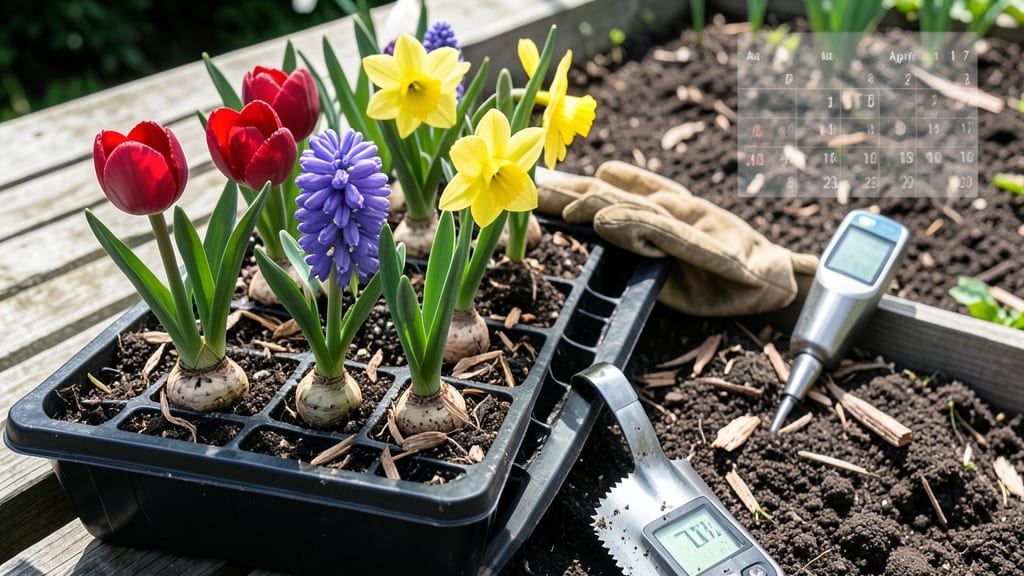
To plant flowers in the spring is all about timing—wait until after your last frost date, when soil temperatures hit 60°F or warmer, and your garden will reward you with bold, long-lasting blooms 🌸.
Timing is everything when it comes to spring planting—get it wrong, and your flowers may struggle to bloom, while perfect timing unlocks vibrant, long-lasting displays that steal the show.
In Zone 6a, that usually means late April to early May, but regional differences matter. Too early, and a late frost can wipe out tender seedlings; too late, and you miss peak bloom seasons for annuals like petunias or marigolds.
Below, I break down the exact months by zone, how to adjust for early or late springs, and which flowers thrive when planted in March, April, or May for maximum impact.
Spring flower planting timeline by US hardiness zones (with exact months)
Spring flower planting success hinges on understanding your USDA hardiness zone and the last frost date in your area.
Cool-season flowers like pansies and snapdragons thrive when planted 4-6 weeks before the last frost, while warm-season varieties such as marigolds and zinnias need to wait until after all danger of frost has passed.
Each zone—from the cold Zone 3 to the mild Zone 10—has its own ideal planting window. For example, gardeners in Zone 4 might plant cool-season flowers in early April, while those in Zone 8 can start as early as February.
Regional variations also play a critical role. Coastal areas often experience milder springs, allowing earlier planting, while inland regions may face delayed frost dates. Frost-sensitive flowers like impatiens and begonias should never be planted until soil temperatures consistently stay above 55°F (13°C).
Meanwhile, hardy perennials like coneflowers and black-eyed Susans can often be planted in early spring, even before the last frost, as they establish roots slowly. Understanding these nuances ensures your flowers bloom vibrantly and thrive throughout the season.