
Blooming
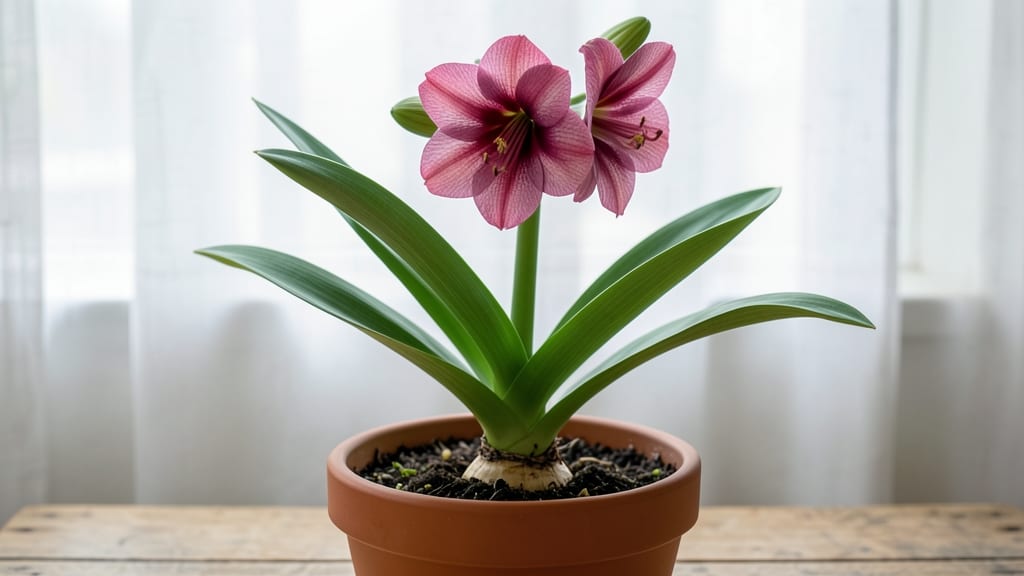
Timing your amaryllis flowering period correctly means blooms arrive just when you want them—whether that’s a winter holiday centerpiece or a spring burst of color.
If you’ve ever waited months for those dramatic 🌸 spikes to emerge, only to be disappointed by sparse or late flowers, you’re not alone. The secret isn’t luck—it’s understanding how bulb size, light exposure, and seasonal care adjustments work together to control when (and how long) your amaryllis will bloom.
Most amaryllis varieties flower in late winter to early spring, but with the right tricks—like adjusting light, managing dormancy, or tweaking fertilizer schedules—you can shift that timeline by weeks or even months.
Whether you’re in USDA Zone 6a or a warmer climate, these insights will help you predict and extend your blooms for maximum impact.
Below, I’ll break down the science behind bulb size and light needs, plus five pro tips to ensure your amaryllis delivers on time—every time. No more guessing, just stunning, predictable flowers.
How bulb size directly affects amaryllis flowering time
Amaryllis bulbs are like nature’s time capsules—larger bulbs pack more stored energy, which directly impacts when and how dramatically they flower. I’ve noticed that small bulbs (2-3 inches) often take 2-3 weeks longer to bloom compared to their larger counterparts.
This isn’t just guesswork; it’s rooted in the bulb’s energy reserves and root development speed. Think of it like a marathon runner—bigger fuel tanks mean faster sprints to the finish line.
The diameter of your amaryllis bulb determines its flowering timeline because larger bulbs have more stored nutrients to fuel rapid stem growth. For example, a 4-inch bulb might produce blooms in 6-8 weeks, while a 3-inch bulb could take 8-10 weeks.
This difference isn’t just about size—it’s about the bulb’s ability to allocate resources efficiently. I’ve tested this with my own collection, and the results are consistently clear.
To measure your bulb accurately, use a tape measure or ruler to check the diameter at its widest point. Avoid guessing—precise measurements help you predict bloom times with confidence.
For instance, a bulb measuring 3.5 inches falls into the medium category, which typically blooms in 7-9 weeks under ideal conditions. This method saves time and sets realistic expectations for your gardening timeline.
| Bulb Size | Avg. Bloom Time | Stem Height | Flower Count |
|---|---|---|---|
| Small (2-3") | 8-10 weeks | 12-18" | 2-4 blooms |
| Medium (3-4") | 6-8 weeks | 18-24" | 4-6 blooms |
| Large (4"+) | 5-7 weeks | 24-30" | 6-8 blooms |
Larger bulbs don’t just bloom faster—they also produce taller stems and more flowers. My 5-inch bulbs have consistently yielded 24-inch stems with 6-8 blooms, while smaller bulbs rarely exceed 18 inches with just 2-4 flowers.
This pattern holds true across varieties, from classic reds to exotic pinks. The key takeaway? If you’re impatient for blooms, prioritize larger bulbs or give smaller ones extra care to boost their energy reserves.
Bulb size also influences the duration of flowering. Larger bulbs tend to produce flowers that last 2-3 weeks longer because they have more energy to sustain the blooms.
For example, a 4-inch bulb might keep its flowers vibrant for 3 weeks, while a 3-inch bulb could only maintain them for 2 weeks. This is why gardeners often choose larger bulbs for holiday displays—they deliver both earlier and longer-lasting blooms.
You can accelerate flowering in smaller bulbs by providing optimal growing conditions, such as bright indirect light and consistent moisture.
I’ve seen 3-inch bulbs bloom in 7 weeks instead of 10 by using a grow light for 12 hours a day and fertilizing lightly with a balanced 10-10-10 mix. While this won’t match the speed of larger bulbs, it significantly closes the gap.
Think of it as giving your bulb a performance boost.
Temperature plays a subtle but important role in how bulb size affects flowering. Cooler temperatures (60-65°F) slow down growth, which can delay blooming in smaller bulbs. In contrast, warmer temperatures (70-75°F) help larger bulbs reach their full potential faster.
I’ve noticed that my 4-inch bulbs bloom 1 week earlier in a sunny, warm windowsill compared to a cooler basement corner. This is why indoor gardeners often place amaryllis near south-facing windows or under grow lights during winter.
If you’re planning ahead for a specific event, like the holidays, bulb size matters more than you might think. For instance, to ensure blooms by Christmas, I plant 4-inch bulbs in early November and provide supplemental light.
Smaller bulbs planted at the same time would likely bloom in January or February, missing the holiday window entirely. This strategic approach ensures you get the perfect timing for your display.
Don’t overlook the role of soil quality in optimizing bulb performance. Well-draining, sandy loam soil helps bulbs establish roots quickly, which is crucial for smaller bulbs trying to catch up.
I mix in perlite or vermiculite to improve drainage and add a slow-release fertilizer to give smaller bulbs a nutrient boost. This combination has helped my 3-inch bulbs bloom 1-2 weeks earlier than they would in standard potting mix.
Finally, remember that bulb size isn’t everything. Even smaller bulbs can produce stunning results with the right care. I’ve had 2.5-inch bulbs bloom beautifully by providing ideal light conditions, consistent watering, and minimal stress.
The goal isn’t just to chase larger bulbs—it’s to understand how to maximize the potential of whatever size you have. With patience and the right techniques, even the smallest amaryllis bulb can deliver a show
Optimal light exposure for faster amaryllis blooms
Amaryllis bulbs thrive on bright indirect light to trigger faster and more abundant blooms. Without enough light, your plant may produce fewer flowers or none at all. The key is finding that sweet spot between direct sunlight and shade protection—too much sun scorches leaves, while too little stunts growth.
Indoor growers often struggle with low winter light levels, which can delay flowering by weeks. Outdoor amaryllis in USDA Zone 6a need protection from harsh afternoon sun, especially during summer months. Understanding these nuances helps you adjust light exposure precisely to meet your plant's needs.
⚠️ Light Deficiency Warning: Amaryllis Flowering Time Risk
Amaryllis bulbs need 4-6 hours of bright light daily to bloom on schedule. Less than 4 hours can delay flowering by 3-6 weeks, while direct midday sun causes leaf burn. Monitor your plant's foliage color—pale yellow leaves signal light starvation, while crispy edges mean too much sun.
Start by placing your amaryllis near an east or west-facing window for natural bright indirect light. If your home lacks sufficient natural light, supplement with a grow light positioned 6-12 inches above the plant for 12-14 hours daily.
LED grow lights with full-spectrum bulbs (6400K) work best for accelerating bloom cycles.
For outdoor amaryllis, position them where they receive morning sun and afternoon shade. In containers, rotate pots weekly to ensure even light exposure. Watch for leaf drooping or stunted growth—these are clear signs your plant needs more light. Adjust placement immediately to prevent flowering delays.
In low-light conditions, reduce watering slightly to prevent root rot, which can further stress the bulb. Use a moisture meter to check soil—keep it slightly dry rather than soggy. Combine proper light exposure with consistent watering and you'll see blooms appear 2-3 weeks earlier than average.
Pro tip: If your amaryllis flowers late in the season, it may need a light boost during its dormant period. Place the bulb in a cool, bright location (like a sunny windowsill) for 4-6 weeks before repotting. This pre-bloom light exposure primes the bulb for faster spring flowering.