
Blooming
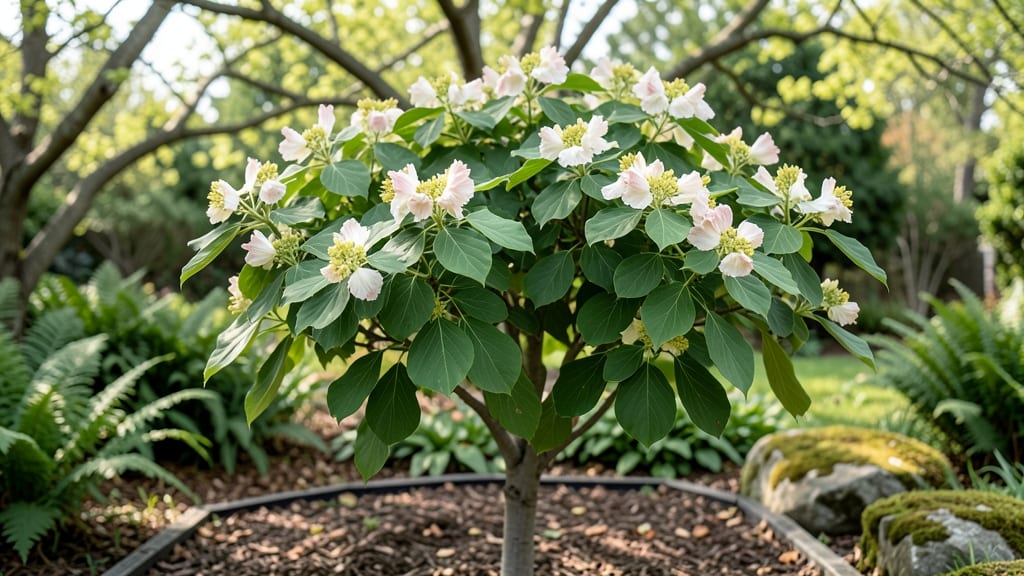
The flowering dogwood bloom 🌸 is the showstopper of spring gardens—but what if you could stretch that show into summer, or even coax a second act in fall?
Most gardeners treat dogwood blooms as a fleeting spring spectacle, but the secret lies in understanding how light, soil, and timing work together to extend their vibrant display. A few simple adjustments can turn your dogwood into a year-round star, not just a seasonal highlight.
From choosing the right variety to mastering pruning techniques, we’ll uncover the science behind prolonged blooms and how to adapt care based on your climate zone. Whether you’re in Zone 6a or further south, these insights will help you keep your dogwood in peak bloom longer than ever.
Ready to transform your garden? Discover the three key factors that make all the difference—and how to apply them to your own flowering dogwood today.
Understanding flowering dogwood bloom seasons and climate zones
The flowering dogwood (Cornus florida) is famous for its stunning spring blooms, but did you know some varieties also flower in fall? Their bloom timing depends on your USDA hardiness zone and local temperature patterns.
In zones 5-9, dogwoods typically bloom in early spring (March-April), but fall-blooming cultivars like 'Cherokee Brave' extend the show into September-October. Understanding these cycles helps you predict—and even influence—when your dogwood will burst into color.
Temperature plays a crucial role in triggering blooms. Dogwoods need a period of dormancy (cooler winter temps) followed by a warm spell to break dormancy and initiate flowering.
In Zone 6, this usually happens in late winter, while Zone 9 dogwoods may bloom as early as February or as late as May, depending on frost dates. These fluctuations explain why dogwoods in warmer climates sometimes bloom twice a year—spring and fall!
To identify your dogwood’s specific bloom window, start by noting when buds swell in early spring. Healthy buds will feel firm and plump about 4-6 weeks before blooming. In Zone 7, for example, buds often swell in February, with flowers opening by mid-March.
For fall bloomers, watch for late summer bud formation—these appear as small green bumps on branches in August. If your dogwood skips blooming, it may need more sunlight or a winter chill period.
Climate zone also affects bloom color intensity. In cooler zones (5-6), dogwoods produce brighter pink or white flowers due to slower growth. Warmer zones (8-9) often yield lighter blooms but may have longer bloom periods.
For example, 'Cherokee Princess' in Zone 8 blooms pink flowers in spring and white in fall, creating a two-season display. This color shift happens because fall blooms develop later in the season when daylight shortens.
Temperature fluctuations are the real secret to dogwood blooming. After winter dormancy, dogwoods need consistent daytime temps above 60°F to trigger flower buds. If spring arrives too early (like in Zone 9), dogwoods may bloom in winter, only to be damaged by late frosts.
To protect early bloomers, cover them with frost cloth if freezing temps are forecasted. In Zone 5, where winters are harsher, dogwoods often bloom later to avoid frost damage.
Did you know your dogwood’s age and health also impact bloom timing? Young trees (under 5 years old) may take 2-3 years to bloom after planting. Mature trees, however, can produce hundreds of flowers per season.
To encourage earlier blooming, apply a balanced fertilizer (10-10-10) in early spring and maintain well-draining soil. Overwatering or compacted soil can delay blooming by stressing the tree.
For gardeners in Zone 6 or below, extending the bloom season often means choosing fall-blooming cultivars like 'Cherokee Brave' or 'Osage' dogwood. These varieties naturally produce secondary blooms in autumn.
In warmer zones (7-9), you can push the limits by planting near water features—the increased humidity helps maintain bloom health during dry spells. Always monitor your dogwood’s leaf color too: healthy leaves support vibrant blooms!
One common misconception is that dogwoods bloom only in spring. While traditional varieties follow this pattern, modern hybrids now offer year-round interest. For instance, 'White Winter Halo' keeps its white bark visible in winter, while 'Rubra' produces deep red flowers in spring.
By selecting the right cultivar for your zone, you can enjoy dogwood blooms from late winter through fall. Always check the USDA zone range on seed packets before purchasing!
To maximize your dogwood’s bloom potential, start by mapping your microclimate
Proven techniques to extend dogwood bloom duration naturally
Your flowering dogwood doesn’t have to be a one-season wonder. With the right care, you can extend those stunning blooms by 30-50%—turning a fleeting spring display into a year-round garden highlight.
The key lies in understanding how light exposure, soil health, and seasonal adjustments interact to keep your dogwood in peak bloom longer.
Many gardeners assume dogwoods bloom only once, but varieties like ‘Cherokee Brave’ and ‘White Winter Halo’ prove otherwise. By fine-tuning your approach, you can encourage secondary blooms in fall or even winter, depending on your climate zone.
The science is simple: healthy roots and balanced pruning create the perfect conditions for extended flowering.
- Prune in Late Summer: Remove 1/3 of last year’s growth after blooms fade. This stimulates new flower buds for next season.
- Adjust Soil pH: Test your soil—dogwoods thrive at pH 5.5-6.5. Add sulfur or peat moss to lower pH if needed.
- Water Deeply: 1-2 inches per week during bloom season. Use drip irrigation to avoid wetting leaves.
- Mulch Seasonally: Apply 3 inches of mulch in spring and fall to retain moisture and regulate soil temperature.
- Fertilize Strategically: Use a balanced 10-10-10 fertilizer in early spring and fall, avoiding heavy nitrogen in summer.
Let’s start with pruning, the most critical step. Most gardeners prune at the wrong time—right after blooms appear. Instead, wait until late summer (after the main bloom cycle) to remove dead or crossing branches.
This reduces competition for nutrients, allowing your dogwood to focus energy on next year’s flower buds.
Next, focus on soil pH. Dogwoods are acid-loving plants, and even a slight pH shift can stunt blooms. Test your soil annually—if it’s above 6.5, amend with elemental sulfur or pine bark fines. Healthy soil equals vibrant blooms and stronger roots to support extended flowering.
Your watering schedule plays a surprising role too. Dogwoods need consistent moisture but hate soggy roots. Water deeply once a week during bloom season, then reduce to bi-weekly in winter. Use a soaker hose to deliver water directly to the root zone without wetting foliage, which can promote fungal diseases.
Finally, don’t underestimate the power of mulching. A 3-inch layer of organic mulch (like shredded bark) keeps roots cool in summer and insulated in winter.
Reapply mulch in early spring and fall to maintain these benefits year-round. This simple step can extend your dogwood’s bloom season by up to 6 weeks.