
Flowers
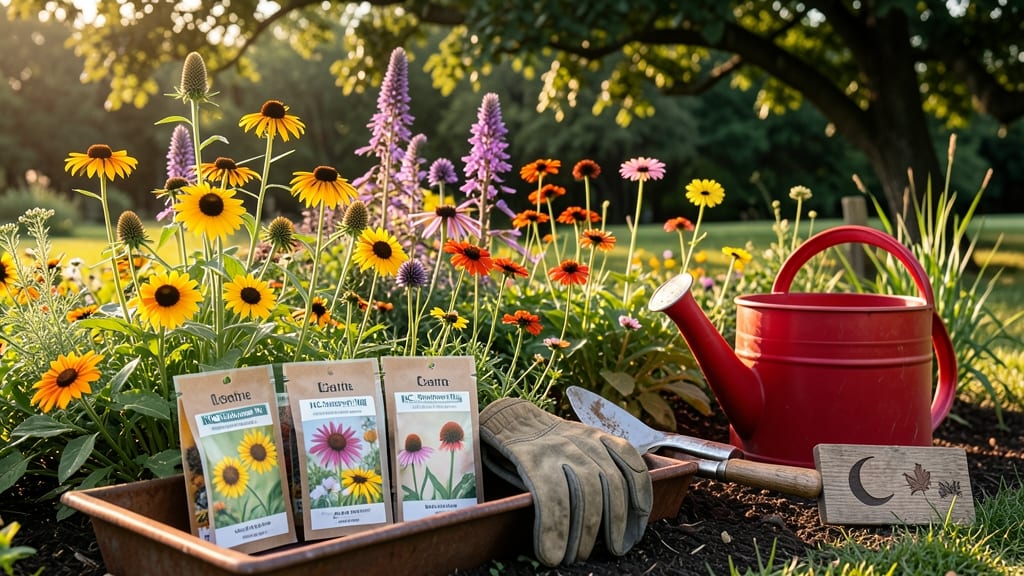
Planting wildflowers in North Carolina at the right time means the difference between a vibrant summer meadow and a season of missed blooms.
Timing is everything—get it wrong, and your seeds might never germinate before the heat or frost arrives. But with NC’s diverse zones (6b-8a), knowing whether to plant in early spring or late summer depends on your location and the wildflower variety you choose.
Here’s the breakdown: Late winter to early spring (February–April) is ideal for most annuals, while early fall (August–September) gives perennials a head start. Coastal areas have extra time, but mountain regions demand precision to avoid early frosts.
Below, I’ll walk you through the exact frost-free windows by zone, the best native varieties for your area, and pro tips to extend your blooming season—so you can enjoy months of color without the guesswork.
NC wildflower planting calendar by USDA hardiness zones (6b-8a)
North Carolina’s diverse climate zones create unique planting windows for wildflowers, where a 2-week difference can mean the difference between thriving blooms and lost seeds.
Whether you're in the cool mountain valleys of Zone 6b or the warmer Coastal Plain of Zone 8a, timing matters—especially for annuals vs. perennials and native species that thrive in your microclimate.
Fall planting often outperforms spring in NC because it gives roots time to establish before summer heat. But early spring (February-March) works for hardy perennials like Black-Eyed Susans and Coneflowers, while annuals like Cosmos and Zinnias prefer late spring after the last frost.
Let’s break down the frost-free windows by zone and region.
Key Adjustments:
- Mountains (6b): Plant 2-3 weeks later than Piedmont to avoid spring frosts.
- Piedmont (7a-7b): Ideal for fall planting (August-September) and early spring (March).
- Coastal Plain (8a): Can plant earlier in spring (February) and later in fall (October).
In the Mountains (Zone 6b), late spring planting (April) is safer than early spring due to unpredictable frosts. For the Piedmont (Zones 7a-7b), fall planting in September ensures blooms next spring, while annuals like Sunflowers can handle a late-March start.
The Coastal Plain (Zone 8a) offers the longest growing season, letting you plant as early as January for winter annuals like Sweet Alyssum.
For perennials, aim to plant 6-8 weeks before the first frost in fall. In Zone 7a, that’s September 15, while Zone 8a can stretch to
Best wildflower varieties for NC and their ideal planting months
North Carolina’s wildflowers thrive when planted at the right time, and choosing the right varieties for your USDA zone (6b-8a) ensures a longer blooming season. From native perennials that return yearly to fast-blooming annuals perfect for impatient gardeners, here are my top 10 picks ranked by NC suitability.
For fastest blooms, focus on annuals like cosmos or zinnia, which sprout in just 6-8 weeks when planted in late spring (April–May). Perennials like black-eyed Susan or coreopsis take longer but reward you with years of color when planted in early fall (August–September).
For Zone 7a gardeners, prioritize black-eyed Susan and purple coneflower—both thrive in well-draining soil and full sun. In Zone 8a, coreopsis and salvia are drought-resistant stars that bloom from spring to fall with minimal care.
If you’re in the Coastal Plain (Zone 8a), take advantage of the longer frost-free season by planting annuals like cosmos in late winter (February) for summer-long blooms. Mountain gardeners (Zone 6b) should stick to early spring (March) planting to avoid late frosts.
Pro tip: Mix annuals and perennials for continuous color. For example, pair fast-blooming zinnias (plant in April–May) with slow-starting milkweed (plant in April–May) to ensure spring, summer, and fall interest.
Ready to transform your NC garden? Start with 3-5 varieties, focus on native species for low maintenance, and plant according to the frost-free window for your zone. Your wildflower meadow will thank you with months of vibrant blooms! 🌼