
Flowers
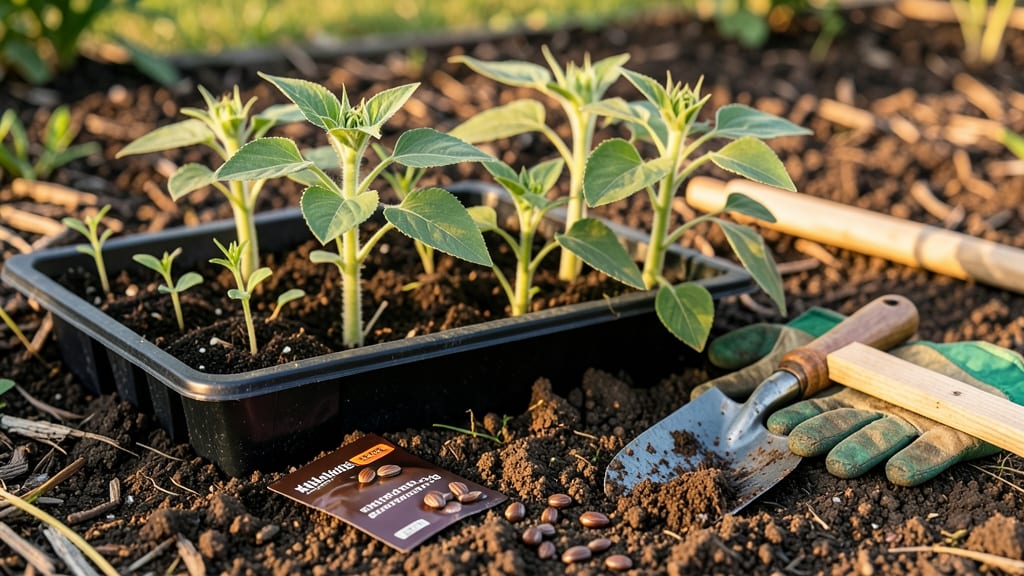
Planting sunflowers in NJ after your last frost date—typically mid-April to early June—sets you up for towering blooms instead of wilted disappointment.
Sunflowers bring bold color and joy to any garden—but planting them at the wrong time in New Jersey’s unpredictable climate can mean wilted dreams instead of towering blooms. Timing is everything, especially in USDA Zones 6b-7a where frost dates shift yearly.
Most gardeners in NJ wait until soil temperatures hit 55°F before sowing seeds, but that’s just the start. Coastal areas like Cape May can plant a week earlier, while inland spots near the Delaware River might need to wait until late April.
In this guide, I’ll break down the exact frost dates for your region, the best sunflower varieties for NJ’s short season, and how to stretch your harvest into October with succession planting.
Best planting windows for sunflowers in NJ based on frost dates
New Jersey’s USDA Zones 6b-7a offer a 165-day frost-free season, but timing your sunflower (Helianthus annuus) planting correctly ensures those iconic blooms thrive. The average last frost arrives between March 15–April 15, while the first frost typically hits October 15–November 15.
Missing these windows can leave you with stunted plants or no blooms at all.
For direct sowing, the ideal window is mid-April to early June—once soil temperatures reach 50°F+. This gives sunflowers 90–120 days to mature before frost. If you’re using transplants, start them indoors 2–3 weeks earlier (late March) and harden them off before transplanting after the last frost.
Late-summer succession planting (mid-July to early August) is a gardener’s secret weapon. By choosing fast-maturing varieties (like ‘Moulin Rouge’ at 55–65 days), you can enjoy fall blooms before winter sets in. This works best in warmer microclimates like southern NJ or urban heat islands.
Here’s how NJ’s regional frost variations affect your schedule:
| Planting Method | Best Time | Notes | Days to Maturity |
|---|---|---|---|
| Direct Sowing | Mid-April to early June | Soil temp ≥50°F; avoid transplant shock | 60–120 days |
| Transplants (start indoors) | Late March (indoors) → April (outdoors) | Hardening off required; faster bloom time | 55–90 days |
| Late-Summer Succession | Mid-July to early August | Choose fast varieties; full sun critical | 55–80 days |
🌱 NJ Frost Dates by Region
North NJ: Last frost April 15 | First frost Nov 5
Central NJ: Last frost April 1 | First frost Oct 30
South NJ: Last frost March 20 | First frost Nov 15
If you’re in northern NJ, err on the side of planting later (early May) to avoid late frosts that can damage tender seedlings. Southern NJ gardeners can push the envelope with early April sowings, especially in protected microclimates like greenhouses or raised beds with black plastic mulch.
For container growing, use 5-gallon pots and plant 2–3 weeks after your area’s last frost. Containers warm up faster, so monitor soil temps closely—sunflowers hate cold feet. Place pots in full sun (6+ hours daily) and water deeply every 5–7 days once established.
Pro tip: Use a soil thermometer to confirm 50°F+ soil temps before sowing. Cold soil delays germination, and sunflowers won’t tolerate being moved once they sprout. If your soil is still chilly, cover seeds with black plastic mulch to warm it up faster.
Extend your blooming season by succession planting every 2 weeks from April through July. This staggered approach ensures a continuous display of golden blooms from July through October.
Just be sure to choose varieties with matching maturity times—mix ‘Autumn Beauty’ (80 days) with ‘Teddy Bear’ (60 days) for a sequential color show.
Remember: Sunflowers are frost-sensitive but drought-tolerant once established. If a late frost threatens, protect young plants with a frost cloth or row cover. And if you’re in coastal NJ, account for salt spray by planting 10–15 feet inland or using raised beds with sandy loam soil.
With these NJ-specific windows, you’ll turn your garden into a sunflower spectacle—from early summer’s first blooms to fall’s golden finale. Happy planting! 🌻
How to adjust sunflower planting for NJ’s microclimates and soil conditions
New Jersey’s diverse landscapes—from coastal beaches to inland valleys—create unique challenges for growing sunflowers. Urban gardens with containers face different rules than sandy coastal soils, while inland areas need solutions for clay-heavy soil drainage. Let’s tailor your planting strategy to thrive in any NJ microclimate.
In urban settings, container growing is ideal for small spaces, but you’ll need larger pots (10+ gallons) to support mature plants. Coastal areas require salt-tolerant varieties and extra mulch to prevent soil salinization.
Meanwhile, inland regions with poor drainage benefit from raised beds or black plastic mulch to warm the soil faster.
Pros and Cons of Adjusting Sunflower Planting for NJ Microclimates
Urban Container Gardening
- ✅ Pros: Space-efficient, no soil prep needed, mobile for sun optimization
- ✅ Great for dwarf varieties (e.g., 'Teddy Bear')
- ⚠️ Cons: Root-bound risk if pot too small, needs frequent watering
- ⚠️ Limited height support for tall varieties
Coastal Salt Tolerance
- ✅ Pros: Salt-tolerant varieties (e.g., 'Russian Giant') perform better
- ✅ Mulch prevents soil salinization
- ⚠️ Cons: Sandy soil drains too fast, needs irrigation
- ⚠️ Wind damage risk near shore
Inland Soil Drainage
- ✅ Pros: Raised beds improve drainage in clay soil
- ✅ Black plastic mulch warms soil faster
- ⚠️ Cons: Compacted soil slows root growth
- ⚠️ Fungal risks in waterlogged areas
Season Extension
- ✅ Pros: Row covers extend season by 2-3 weeks
- ✅ Black plastic mulch speeds up spring planting
- ⚠️ Cons: Overheating risk under covers in summer
- ⚠️ Pests thrive in warm, sheltered microclimates
For urban gardens, choose dwarf varieties like 'Moulin Rouge' (4-5 ft tall) and use self-watering containers to maintain moisture. In coastal areas, amend soil with composted manure to improve fertility and plant near windbreaks like