
Flowers
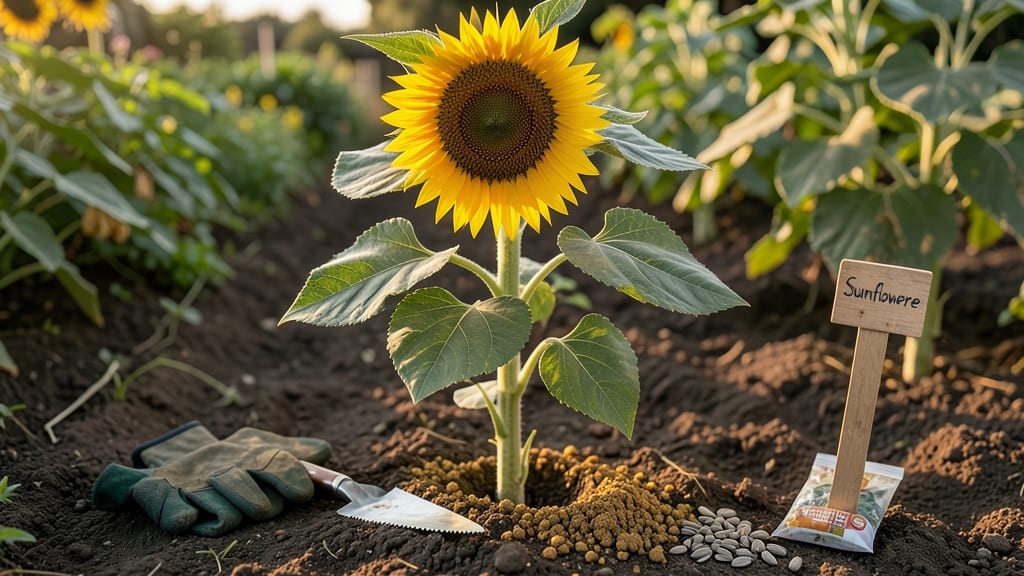
To plant sunflowers in New Mexico after the last frost date—typically late March to mid-June—sets you up for towering blooms that thrive in the high desert’s intense sun.
But timing is everything: plant too early, and a late frost will nip those seedlings in the bud. Too late, and the heat arrives before the seeds even sprout.
In Albuquerque’s Zone 6b-8a, the sweet spot is April through early June, when soil temperatures hit 60°F+ and the risk of frost has faded.
This guide breaks down the exact planting windows for your region—whether you’re in Santa Fe’s cooler highlands or Las Cruces’ sweltering lowlands—plus the heat-tolerant varieties that reach 10+ feet without wilting in 95°F+ summers.
You’ll also discover how to avoid the three biggest mistakes New Mexico gardeners make (overwatering, planting too deep, and ignoring windbreaks) and when to fertilize for maximum bloom power.
Best planting months in New Mexico by region (Albuquerque, Santa Fe, Las Cruces)
New Mexico’s high desert climate creates unique planting windows for sunflowers 🌻. The key is timing seeds after the last frost and before summer’s 95°F+ heat arrives. Albuquerque (Zone 7b) has a 150-day frost-free season, while higher-elevation Santa Fe (Zone 6b) gets just 120 days.
Las Cruces (Zone 8a) enjoys a longer 210-day growing season.
Soil temperature is critical—sunflowers need 60°F+ soil to germinate. In Albuquerque, this typically happens by mid-April, while Santa Fe’s cooler soils may not reach this until late May. Las Cruces can start as early as late March. Always test soil with a thermometer before planting.
Here’s your region-specific planting timeline with frost-free windows and ideal months:
| Region | USDA Zone | Last Frost | Best Planting Months | Heat-Tolerant Varieties |
|---|---|---|---|---|
| Albuquerque | 7b | Late March | April–May (primary), July (late start) | 'Autumn Beauty', 'ProCut' |
| Santa Fe | 6b | Late April | May–June (primary), August (late start) | 'Moulin Rouge', 'Teddy Bear' |
| Las Cruces | 8a | Mid-February | March–April (primary), June (late start) | 'Russian Giant', 'Sunspot' |
For Albuquerque’s Zone 7b climate, aim to plant sunflowers between April 15 and May 15 for full summer blooms. Late starts in July work for heat-tolerant varieties like 'Autumn Beauty', which thrive in 90°F+ temperatures. Always space seeds 6–12 inches apart to prevent overcrowding.
Santa Fe’s higher elevation delays planting until May 1–June 15. The shorter season favors faster-maturing varieties like 'Teddy Bear' (60 days to bloom). Use black plastic mulch to warm soil and extend the growing season by 2–3 weeks.
Las Cruces gardeners can start as early as late March thanks to its Zone 8a warmth. For a second planting, try June 1–July 15 with drought-resistant varieties like 'Sunspot'. Monitor soil moisture—New Mexico’s thin desert soil drains quickly, so water deeply 1–2 times per week.
All regions benefit from direct sowing rather than transplants. Sunflowers hate root disturbance, and seedlings grow best when planted 1 inch deep. After germination, thin to 12–18 inches apart for giant varieties or 6–12 inches for dwarf types.
Pro tip: Use windbreaks for tall varieties (10+ ft) to prevent lodging. Stake or cage sunflowers early if your garden experiences 30+ mph winds, common in New Mexico’s open spaces.
Harvest time varies by variety but typically falls between July and September. Watch for brown petals and hardened seed heads—this signals readiness. For seed saving, leave heads on stalks until fully dry (usually October in Albuquerque).
Heat-tolerant sunflower varieties for New Mexico’s extreme summers (95°F+)
New Mexico’s scorching summers (95°F+) can turn sunflowers into crispy stalks if you pick the wrong variety. The key is choosing heat-tolerant types that thrive in USDA Zones 5-7 while requiring minimal water.
My top picks balance drought resistance, maturity speed, and bloom size—perfect for Albuquerque’s thin soil and Las Cruces’ intense heat.
For giant sunflowers (10+ feet tall), 'ProCut' is my go-to—it matures in 100-120 days and handles 100°F+ with ease. If you prefer compact varieties (3-5 feet), 'Teddy Bear' blooms in just 60-70 days and won’t flop in high winds.
Both varieties need full sun but half the water of traditional sunflowers.
If you’re in southern New Mexico (Las Cruces, Truth or Consequences), prioritize 'Autumn Beauty'—its deep red blooms last longer in heat and mature in 80-90 days. For Albuquerque and Santa Fe, mix 'ProCut' (for height) with 'Moulin Rouge' (for bicolor blooms that thrive in cooler evenings).
All these varieties need well-draining soil—amend clay with compost to prevent root rot.
Watering is critical: deep soak once a week (not daily light watering) encourages deep roots. Mulch with straw or wood chips to retain moisture and block weeds.
I’ve seen 'Teddy Bear' sunflowers in my Santa Fe garden survive on 50% less water than standard varieties by using drip irrigation in the afternoon.
For pet-friendly gardens, 'Teddy Bear' is non-toxic and attracts bees and butterflies without attracting pests like aphids. If you’re growing for cut flowers, 'ProCut' stems stay fresh 10+ days in vases—ideal for New Mexico’s high-altitude humidity.
Plant seeds 1 inch deep after the last frost date (mid-April in most regions) for fastest results.
Pro tip: Stake tall varieties (like 'ProCut') at 3 feet to prevent wind damage—New Mexico’s sudden monsoon winds can snap stems. My 12-foot 'ProCut' in Albuquerque needed two bamboo stakes and soft twine to stand upright during July storms.