
Flowers
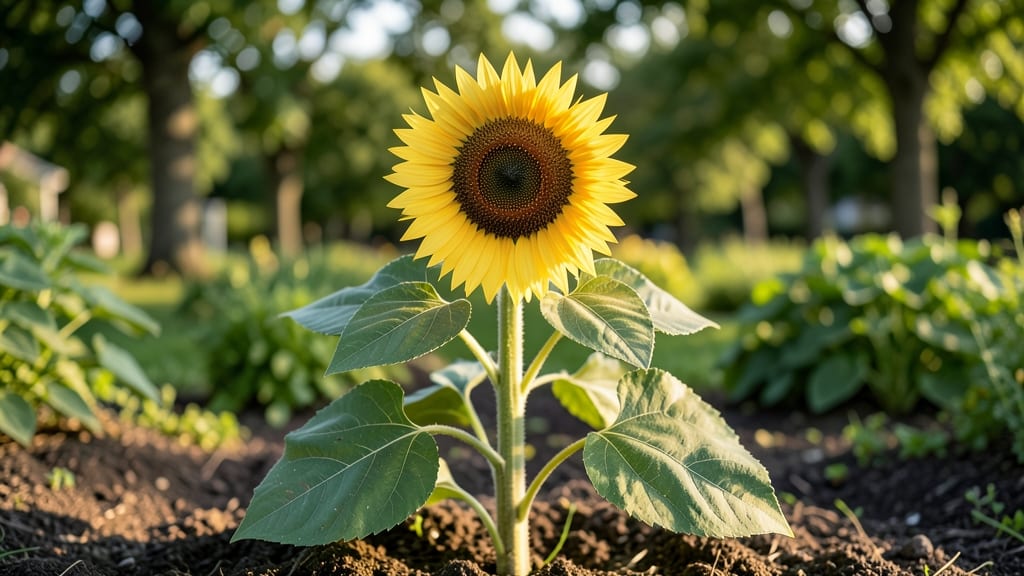
Teddy Bear sunflowers grow between 3 and 4 feet tall, making them the perfect compact pick for small gardens or containers 🌻.
If you’ve ever dreamed of a sunflower garden that’s as charming as it is manageable, these sunflowers are your ideal choice—but first, you need to know how their height compares to other varieties.
Unlike towering giants that need staking, Teddy Bear sunflowers stay sturdy and upright on their own, thanks to their thick stems and bushy growth habit.
Below, I’ll break down how to maximize their height potential, when to expect blooms, and how to use them to add pollinator-friendly beauty to your space without sacrificing garden real estate.


Teddy Bear sunflower height by variety: compact giants for small gardens
When planning your garden, knowing the exact height of Teddy Bear sunflowers is essential—especially if space is limited. These sunflowers are bred to stay shorter than their towering cousins, making them perfect for small yards, containers, and pollinator-friendly borders.
But not all varieties grow the same height, so let’s break down the specifics to help you choose the right one for your layout.
The classic Teddy Bear sunflower typically reaches 3 to 4 feet tall at maturity, with some varieties like ‘Moulin Rouge’ staying closer to 2–3 feet. This compact stature makes them ideal for urban gardens, balcony planters, and mixed flower beds where height isn’t a concern.
Their shorter stature also means they’re less likely to flop in windy conditions, reducing the need for staking.
Below is a quick reference table comparing popular Teddy Bear sunflower varieties and their mature heights, so you can pick the perfect fit for your garden design.
| Variety | Mature Height (ft) | Best For | Notes |
|---|---|---|---|
| Teddy Bear (Classic) | 3–4 ft | Borders, containers, pollinator gardens | Double blooms, bicolor petals |
| Moulin Rouge | 2–3 ft | Small spaces, window boxes | Deep red and yellow bicolor |
| Banana Butter | 3–4 ft | Cut flowers, cottage gardens | Buttery yellow petals, long vase life |
| Lemon Queen | 2.5–3.5 ft | Dwarf varieties, urban gardens | Bright lemon-yellow blooms |
| Crackerjack | 3–4 ft | Cut flower arrangements, pollinators | Classic sunflower shape, deep red centers |
If you’re working with limited vertical space, varieties like ‘Moulin Rouge’ or ‘Lemon Queen’ are excellent choices, topping out at just 2.5 to 3.5 feet. These make stunning additions to patio planters, hanging baskets, or mixed flower beds where taller varieties might overwhelm the space.
For a more dramatic look without taking up too much room, the classic Teddy Bear or Banana Butter varieties hit 3 to 4 feet, perfect for creating a focal point in a small garden.
One common question is whether Teddy Bear sunflowers stay short their entire life. The answer is yes—their compact height is a genetic trait, not influenced by pruning or training like some other sunflowers.
However, their stems can become top-heavy with blooms, especially in windy areas, so providing light support (like a small cage or stake) can help maintain their shape without sacrificing their charm.
For container gardening, choose varieties that stay under 3 feet tall, such as ‘Moulin Rouge’ or ‘Lemon Queen’. A 12- to 18-inch diameter pot with well-draining soil will give them enough room to thrive.
If you’re planting in ground beds, space them 12 to 18 inches apart to allow airflow and prevent overcrowding, which can stunt growth.
Another factor to consider is seasonal growth. Teddy Bear sunflowers start as small seedlings and grow rapidly in full sun and warm temperatures. By mid-summer, they’ll reach their mature height, making them a great choice for summer-long color.
Their shorter stature also means they’re less likely to require staking compared to their taller relatives, like ‘Mammoth’ sunflowers, which can reach 10 feet or more.
If you’re using these sunflowers for cut flowers, their compact size makes them easier to handle and arrange in bouquets. Varieties like ‘Banana Butter’ or ‘Crackerjack’ have long stems relative to their height, making them ideal for vase arrangements.
Just be sure to harvest them when the buds are fully formed but before they open to preserve their freshness.
For pollinator gardens, Teddy Bear sunflowers are a hit with bees, butterflies, and birds. Their compact height and abundant blooms make them a low-maintenance way to attract wildlife without dominating your garden. Pair them with other short-lived perennials or annuals to create a layered, pollinator-friendly display.
How to maximize growth without overcrowding: spacing and support tips
To help your Teddy Bear sunflowers reach their full 3–4 foot height potential, proper spacing and support are key. These sunflowers naturally stay compact, but they still need room to thrive without competing for nutrients or sunlight.
Start by planting seeds or seedlings 12–18 inches apart in rows spaced 2–3 feet apart. This gives each plant enough room to grow without overcrowding, which can stunt their height and reduce flower production.
For container gardening, use pots that are at least 12 inches deep and wide. A single Teddy Bear sunflower can thrive in a large container, but avoid planting multiple in the same pot unless you’re okay with slightly smaller blooms.
🌱 Essential Growth Tips for Teddy Bear Sunflowers
- 🌞 Sunlight: 6+ hours daily of full sun for maximum height and bloom size.
- 💧 Watering: Deep watering 1–2x weekly—keep soil moist but not soggy.
- 🌿 Soil: Well-draining, fertile soil with compost for best growth.
- 🪴 Support: Stake or cage if stems lean (unlikely but possible in windy areas).
- 🌱 Spacing: 12–18 inches apart in rows 2–3 feet apart for airflow.
While Teddy Bear sunflowers rarely need staking, a light support cage or bamboo stake can help if your garden experiences strong winds. Insert stakes at planting time to avoid damaging roots later.
For pollinator-friendly gardens, interplant with basil or marigolds to attract bees and butterflies while keeping pests at bay. These companions also help maximize your sunflowers’ height by improving soil health.
Monitor your plants weekly for signs of overcrowding, like yellowing leaves or stunted growth. If you notice these, thin out weaker stems to give the remaining plants more space to reach their full 3–4 foot height.