
Flowers
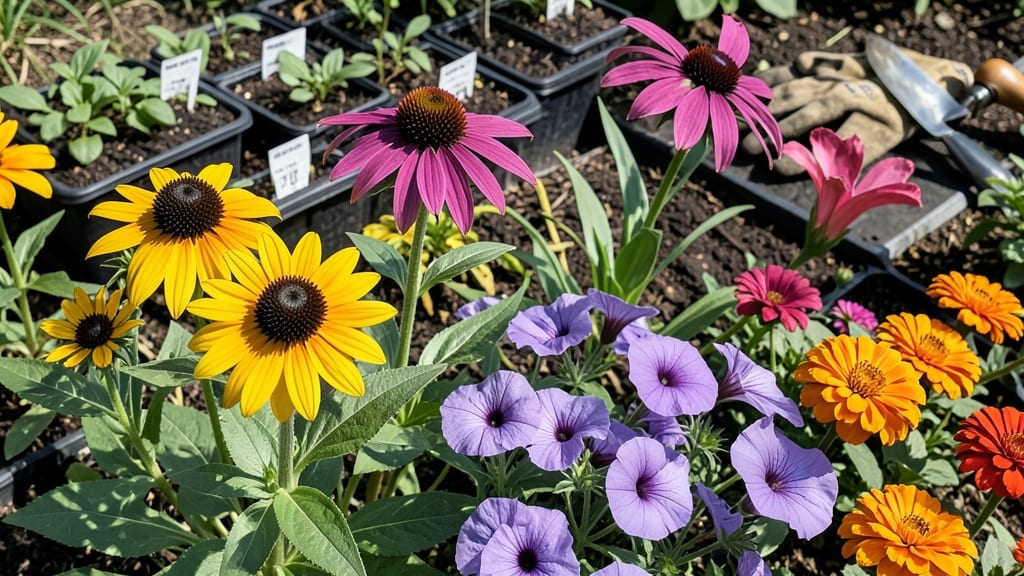
Planting flowers in Kentucky at the right time means the difference between a garden bursting with color and one struggling to take hold.
Timing your flower planting in Kentucky can mean the difference between vibrant blooms and wilted disappointment—especially with the state’s unpredictable spring frosts and USDA Zones 6b to 7a.
Whether you’re growing annuals like marigolds or perennials like coneflowers, getting the timing right is half the battle. Too early, and a late frost will nip your progress. Too late, and you miss the best blooming season.
Below, I’ll break down the exact planting windows for Kentucky’s two main zones, plus seasonal tips to keep your garden thriving from spring to fall.
Kentucky flower planting calendar by USDA Zone (6b vs 7a)
Timing your flower planting in Kentucky can feel like playing a high-stakes game of chance—one late frost can turn your spring blooms into sad, crispy memories.
With USDA Zone 6b (average last frost: April 15) and Zone 7a (average last frost: April 1), even a few weeks make a difference. I’ve planted annuals and perennials here for years, and I’ve learned that fall planting often gives you the edge over spring’s whims.
Kentucky’s microclimates add another layer of complexity—Louisville’s urban heat island can delay frosts by a week compared to rural Lexington or Bowling Green. But don’t let that intimidate you!
Whether you’re sowing cold-hardy pansies in February or waiting for zinnias until May, understanding your zone’s frost-free window is your secret weapon for a showstopping garden.
Here’s the game-changing breakdown of when to plant in Zone 6b vs. 7a, including my top annuals, perennials, and bulbs for each season. Pro tip: Use row covers to push spring planting 2-3 weeks earlier if frost threatens!
Notice how Zone 7a gives you a 2-3 week head start on spring planting? That’s why I always stock up on heat-loving annuals like zinnias and marigolds in early April for Zone 7a gardens. But in Zone 6b, I wait until mid-May to avoid late frosts that
Best flowers to plant in Kentucky by season (spring vs fall)
Kentucky’s two distinct growing seasons—cool springs and warm falls—offer perfect windows for planting flowers that thrive in USDA Zones 6b-7a. The key? Cool-season flowers for spring and heat-loving annuals for fall.
Spring blooms like pansies and snapdragons tolerate light frosts, while fall favorites like zinnias and marigolds flourish as summer heat fades.
For spring planting, focus on hardy annuals and perennials that can handle Kentucky’s late frosts (often until mid-April). In fall, prioritize drought-tolerant varieties that bloom until the first frost in October. Both seasons require well-prepared soil—amend with compost before planting to ensure strong root growth.
- Pansies – Cold-hardy annuals that bloom from spring to frost. Plant 4–6 weeks before last frost (early March).
- Snapdragons – Biennials that thrive in cool weather; sow seeds indoors in February or direct-sow in March.
- Sweet Alyssum – Fragrant ground cover perfect for shady borders. Plant after soil warms (late March).
- Calendula – Edible, pest-repelling annuals that tolerate light frost. Direct-sow in early April.
- Zinnias – Heat-loving annuals that bloom until frost. Plant 6–8 weeks before first frost (early September).
- Marigolds – Disease-resistant and pest-deterring. Sow seeds after soil cools (mid-September).
- Cosmos – Drought-tolerant and self-seeding. Direct-sow in late August–early September.
- Sunflowers – Fast-growing annuals that thrive in warm fall soil. Plant by mid-September for late-summer blooms.
In spring, prioritize slow-growing perennials like coneflowers and black-eyed Susans, which establish roots before summer heat arrives. For fall, choose quick-blooming annuals like cosmos and marigolds to extend your garden’s season.
Both seasons benefit from mulching—use straw or shredded leaves to retain moisture and regulate soil temperature.
Kentucky’s humid summers can stress flowers, so water deeply in the morning to prevent fungal diseases. In fall, reduce watering as temperatures drop, but keep soil lightly moist to encourage root growth before winter dormancy. A balanced fertilizer (10-10-10) applied at planting and mid-season will keep blooms vibrant.
Pro tip: Succession plant heat-loving annuals like zinnias every 2–3 weeks in fall to stagger blooms until frost. This ensures your garden stays colorful long after summer’s end. With the right timing and care, Kentucky’s seasons can deliver nonstop blooms from spring to fall.