
Flowers
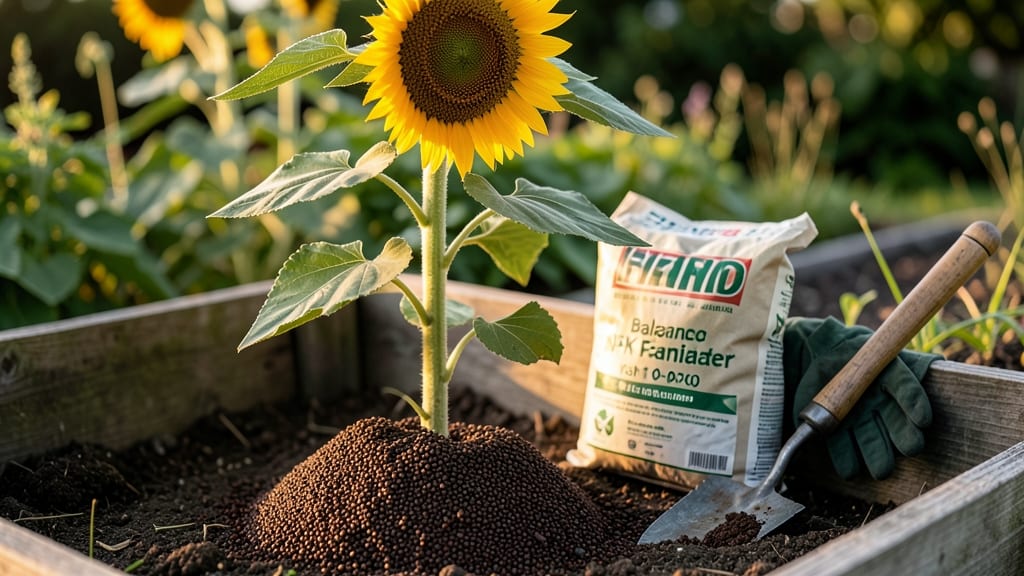
Fertilizing sunflowers at the right time is the secret to growing towering, vibrant blooms that turn heads in your garden 🌻 — and skipping it or doing it too late means weak stems and half-sized flowers.
Sunflowers aren’t just beautiful—they’re hungry plants that need the right nutrients at the right time to reach their full towering potential. Get the timing wrong, and you’ll end up with leggy stems or weak flowers instead of the sun-soaked giants you dream of.
Most gardeners focus on planting and watering, but fertilization timing is just as critical. Too early, and you’ll burn young roots; too late, and your sunflowers will never reach their height potential. The key is feeding them in three precise stages: before planting, during early growth, and as they bloom.
Below, I’ll break down the exact when and how to fertilize—whether you’re using organic compost or synthetic blends—plus how to adjust for your climate zone and soil type. No guesswork, just results.
3 Critical fertilization stages for sunflowers (with exact timing)
Sunflowers thrive when fed at precise moments—skipping or overdoing fertilization can turn your towering dreams into stunted disappointments. The secret lies in three science-backed stages: pre-planting prep, early growth fuel, and bloom-boosting nutrition.
Each stage demands different nutrients, and timing matters more than quantity. For example, too much nitrogen early will give you leafy monsters, while phosphorus shortages during flowering mean smaller blooms.
I’ve grown sunflowers from dwarf varieties to 12-foot giants, and the difference between leggy stems and showstopping blooms always comes down to these three fertilization windows.
Organic gardeners and synthetic users both need to adjust their approaches—compost tea won’t cut it at the flowering stage, but synthetic blooming formulas can burn roots if applied too early. Let’s break down each stage with exact timing and visual growth milestones to track.
⚠️ Visual Growth Milestones: Use these as your guide—sunflowers grow fast, and missing these windows means lost potential. At 6-8 inches tall, it’s time for your first feed. When buds form, switch to phosphorus-rich fertilizer. Finally, at first bloom, give them one last nutrient boost for seed development.
Let’s start with Stage 1: Pre-Planting Prep—this is where you set the foundation. Sunflowers love well-draining soil with a pH between 6.0 and 7.0. Before planting, mix in 2-3 inches of compost or a balanced organic fertilizer (like 2-3-2 NPK) into the top 6 inches of soil.
For synthetic users, a slow-release granular fertilizer works too. The key here is soil health—sunflowers are heavy feeders and need nutrients deep in the root zone. If your soil is sandy, add extra compost; if it’s clay-heavy, incorporate perlite for aeration.
For Stage 2: Early Growth (6-8 inches tall), switch to a high-nitrogen fertilizer to fuel rapid stem growth. Organic gardeners can use compost tea or fish emulsion, while synthetic users should opt for a 10-5-5 NPK ratio. Apply this every 3-4 weeks until buds form.
Pro tip: Side-dress with a handful of fertilizer granules around the base of the plant—this targets the roots where they’re actively growing. Avoid leaf burn by watering thoroughly after application. If you notice yellowing leaves, it’s a sign of nitrogen deficiency or overwatering.
Now for the most critical stage: Flowering (Bud Formation to First Bloom). This is where phosphorus takes center stage—it’s the nutrient responsible for bloom size and seed development. Organic options include bone meal or rock phosphate, while synthetic users should use a 5-10-5 or 10-10-10 fertilizer.
Apply this once at bud stage and again when the first blooms open. For giant varieties, a second application at 50% bloom can double your flower size. Watch for drooping buds—this is a classic sign of phosphorus shortage.
Timing is everything, especially when it comes to organic vs. synthetic fertilizers. Organic options like compost or manure release nutrients slowly, so you’ll need to apply them 2-3 weeks earlier than synthetic fertilizers. For example, if you’re using synthetic 10-10-10, apply it at 6 inches tall.
But if you’re using compost tea, start 4-5 inches tall—it takes time to break down. Another key difference: synthetic fertilizers can cause salt buildup in container gardens, so flush the soil with water after application. Organic fertilizers are safer but require more frequent applications.
Regional adjustments matter too. In hot climates (Zones 8-10), sunflowers grow faster, so fertilize every 2-3 weeks during early growth. In cooler zones (Zones 3-6), stretch out applications to every 4-5 weeks—the slower growth means nutrients last longer.
Always water deeply after fertilizing to prevent root burn. And here’s a pro move: Mulch with straw after feeding to retain moisture and regulate soil temperature, which keeps nutrients available longer.
One mistake I see often is over-fertilizing at the wrong stage. Too much nitrogen late in the season will give you leafy stems but no blooms. Conversely, skipping the phosphorus boost during flowering results in small, weak flowers.
Pay attention to your plants’ signals: dark green leaves mean nitrogen is good; purple stems indicate phosphorus deficiency. Adjust your feeding schedule based on these cues. For container-grown sunflowers, use half the recommended dose—they have limited root space and can’t handle heavy feeding.
To track progress, mark your calendar with these growth milestones:
- Planting to
How to choose the right fertilizer for sunflowers (and what to Avoid)
Sunflowers thrive when fed with the right nutrients at each growth stage, but choosing the wrong fertilizer can lead to stunted growth or poor blooms. The key is understanding how nitrogen (N), phosphorus (P), and potassium (K) support different phases—from leafy stems to towering blooms.
For example, too much nitrogen early on will give you lush foliage but delay flowering, while phosphorus shortages can weaken root development.
Most gardeners reach for a balanced 10-10-10 fertilizer as a starting point, but sunflowers actually benefit from a slightly higher phosphorus ratio (like 5-10-10) during their flowering stage to support robust blooms.
Organic options like composted manure or bone meal can also work wonders, especially for DIY gardeners who prefer chemical-free growing methods. The mistake many make? Over-fertilizing, which burns roots and attracts pests.
When to Fertilize Sunflowers: Pros & Cons
✅ Pre-Planting (At Sowing)
Pros: Boosts early root growth
Cons: Overuse can cause seed rot
✅ Early Growth (6-8" Tall)
Pros: Encourages strong stems
Cons: Too much N delays blooming
✅ Flowering Stage (Bud Formation)
Pros: Enhances bloom size
Cons: Late N applications weaken flowers
⚠️ Avoid: Fertilizing after first frost or when plants show yellowing leaves (sign of over-fertilization).
For organic gardeners, composted manure (aged at least 6 months) is ideal for pre-planting, while fish emulsion provides a quick nitrogen boost during early growth. Bone meal, rich in phosphorus, should be applied when buds form to ensure vibrant blooms.
I’ve found that mixing 1 cup of compost into the planting hole gives my sunflowers a nutrient-rich start without risking burn.
Synthetic fertilizers like 10-10-10 or 5-10-10 are convenient but require careful measurement—always follow package instructions. A common mistake is using high-nitrogen lawn fertilizer, which will leave you with a bushy plant but no flowers. To fix this, switch to a low-nitrogen, high-phosphorus formula once buds appear.
Regional climate matters too. In hot, dry climates, fertilize in the early morning to prevent moisture loss, while cooler zones may benefit from a slow-release fertilizer applied in spring.
I’ve seen sunflowers in Zone 5 thrive with a single spring feeding of compost, while Zone 9 plants often need a mid-summer top-up for late-season blooms.
Pro tip: Test your soil before fertilizing—sunflowers prefer a slightly acidic to neutral pH (6.0-7.0). If your soil is already nutrient-rich, you might only need a light feeding every 6-8 weeks. Over-fertilizing is the fastest way to kill your sunflowers’ potential, so when in doubt, less is more.