
Flowers
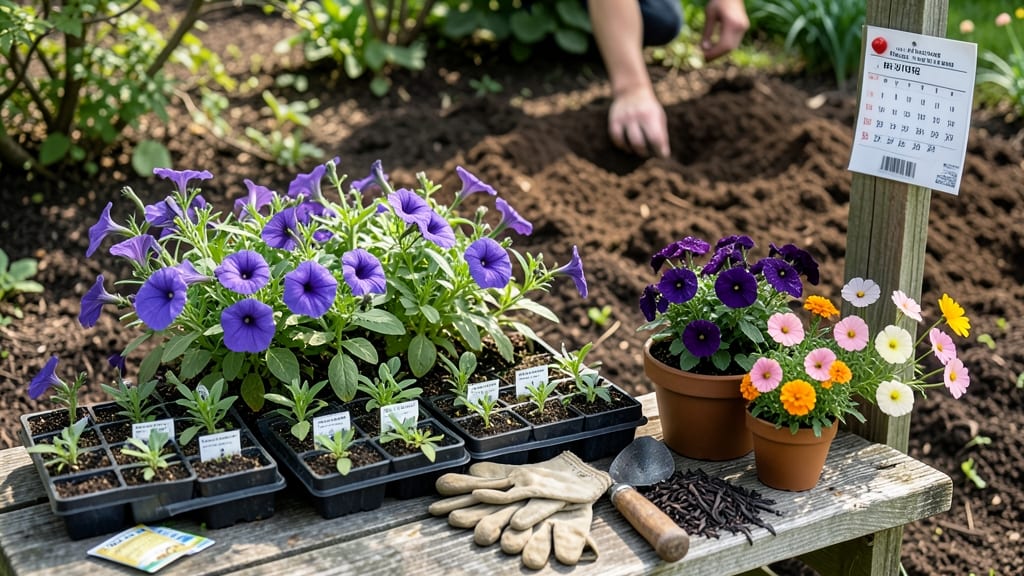
The best time to plant flowers in Michigan is after the last frost in spring and 4-6 weeks before the first frost in fall, but getting it wrong can mean lost blooms and wasted effort.
Michigan’s unpredictable spring weather can turn your flower planting into a gamble—but timing it right means vibrant blooms all season long. Avoid frost-killed seedlings and missed blooming windows by learning the exact frost-free dates for Michigan’s hardiness zones and flower types.
For most of the state, that means waiting until mid-April to early May for spring planting, when soil temperatures hit at least 50°F and nighttime lows stay above 50°F. Fall planting starts as early as September in northern zones, while southern Michigan can wait until October.
Below, I break down the ideal windows for annuals, perennials, and bulbs—plus how to adjust for your specific zone and microclimates—so you can plant with confidence and enjoy a garden bursting with 🌸 all season.
Michigan’s frost-free dates by zone: when to plant annuals vs perennials
Michigan’s USDA hardiness zones 4-6 create unique planting windows for flowers, where timing can mean the difference between lush blooms and frost-killed seedlings. The last average frost date shifts from mid-April in southern Michigan to early May in the north, while first frost arrives between mid-October and early November.
Understanding these dates—plus how they differ for annuals vs perennials—lets you plan with precision.
For annual flowers, like petunias and marigolds, the spring planting window opens after your zone’s last frost, while fall planting (for cool-season annuals) happens 4-6 weeks before the first frost. Perennials, such as daylilies and coneflowers, should go in the ground in early spring—as soon as soil thaws—to establish roots before summer heat.
Michigan State University’s frost data (updated annually) is your best tool for localized planning.
Here’s how to use Michigan’s frost dates to time your plantings like a pro:
In Zone 4, where frosts linger late, opt for hardy annuals like marigolds (tolerant of cooler soils) and wait until mid-May for heat-loving petunias. Perennials like daylilies thrive when planted in early spring—their deep roots anchor them before summer’s intensity.
Meanwhile, southern Michigan’s Zone 6 gardeners can start annuals in late April and enjoy a longer fall window for cool-season blooms like pansies.
For fall planting, focus on 4-6 weeks before frost—this gives seedlings time to establish roots before winter. Bulbs, such as tulips and daffodils, should go in the ground by mid-October in most zones.
Use Michigan State University’s frost probability maps (available online) to adjust for microclimates, like urban heat islands or sheltered garden spots that may extend your season by 1-2 weeks.
Pro tip: Hardening off seedlings (acclimating them to outdoor temps over 7-10 days) is critical in Michigan’s variable spring weather. Start this process 2 weeks before your target planting date to avoid shock.
Pair this with row covers for early plantings—they can push your last frost date back by 2-3 weeks, giving tender annuals a fighting chance.
Don’t forget: Soil temperature matters just as much as air temperature. Use a soil thermometer to confirm it’s at least 50°F before planting warm-season annuals like geraniums or salvias. Cool-season crops (like pansies) can handle 40°F soil, but wait until daytime temps hit 55°F for consistent growth.
When planning your perennial garden, prioritize early spring planting (March-April) for varieties like peonies and irises, which need time to establish before Michigan’s hot, humid summers. For
Best flowers to plant in Michigan’s spring vs fall: a seasonal guide
Michigan’s two distinct planting seasons—spring and fall—offer perfect opportunities to grow stunning flowers, but the varieties you choose make all the difference. Spring planting focuses on heat-tolerant annuals that thrive as temperatures rise, while fall planting prioritizes frost-hardy perennials and bulbs that establish roots before winter.
Let’s dive into the Michigan-Proven flowers for each season, so you can maximize blooms year-round.
For spring planting, aim for cool-season annuals that can handle Michigan’s early chilly nights but love the warmth of summer. These include petunias, marigolds, and zinnias, which will reward you with vibrant blooms from June through frost.
Meanwhile, fall planting is ideal for perennials like coneflowers, black-eyed Susans, and daffodils, which naturalize beautifully and return year after year.
🌱 Michigan-Proven Spring Flowers (Plant after last frost, mid-April to early May):
- Petunias – Heat-loving annuals with continuous blooms from June to frost. Choose wave petunias for disease resistance.
- Marigolds – Deter pests naturally and thrive in full sun. French marigolds add height, while dwarf varieties work in borders.
- Zinnias – Bold, long-lasting blooms that attract butterflies. Start seeds indoors for earlier blooms or plant after soil warms.
- Snapdragons – Cool-season favorites that tolerate light frost and add vertical interest. Deadhead for prolonged blooms.
- Cosmos – Drought-tolerant and self-seeding, perfect for low-maintenance gardens. Thrives in poor soil and full sun.
For fall planting, focus on perennials and bulbs that establish roots before winter. These frost-resistant varieties will reward you with early spring blooms and long-lasting color. Plant 4-6 weeks before the first frost (typically September to early October in Michigan) for best results.
🌿 Michigan-Proven Fall Flowers (Plant 4-6 weeks before first frost):
- Coneflowers – Drought-tolerant perennials with long-lasting blooms. Attracts pollinators and naturalizes beautifully.
- Black-Eyed Susans – Low-maintenance and heat-tolerant, providing color from summer to fall. Cut back in early spring.
- Daffodils – Frost-hardy bulbs that bloom early spring. Plant in well-draining soil to prevent rot.
- Daylilies – Rugged perennials with continuous blooms. Thrives in partial shade and poor soil.
- Crocuses – Early spring bloomers that push through snow. Ideal for woodland gardens and naturalizing.
Don’t forget to mulch newly planted perennials in fall with 2-3 inches of organic mulch to protect roots during winter. For bulbs, plant them 3 times as deep as their height and space them 3-6 inches apart for optimal growth.
With these Michigan-Proven varieties, you’ll enjoy a garden that thrives year after year with minimal effort. Happy planting! 🌷