
Plants
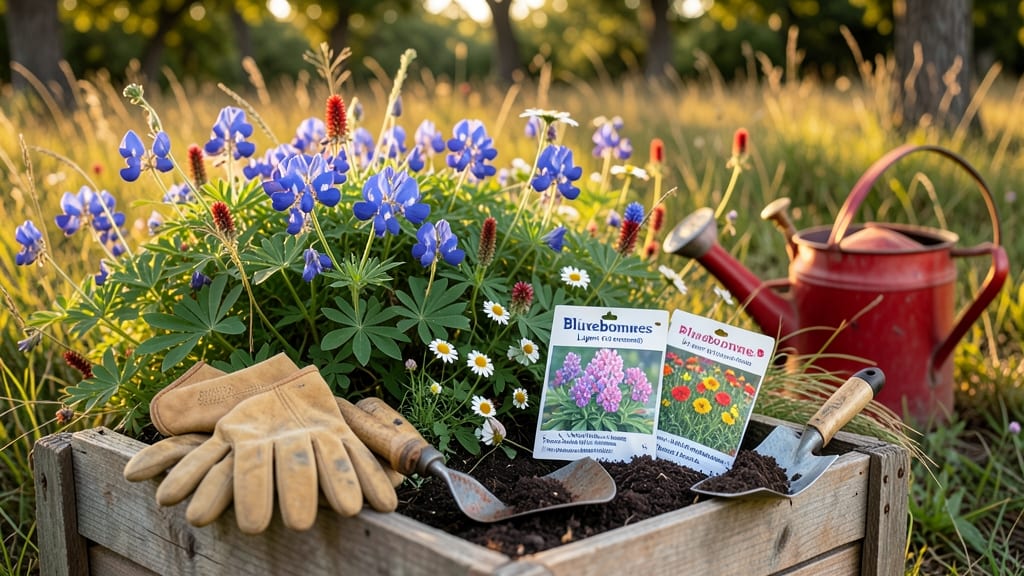
Plant wildflower seeds in Texas between mid-October and early December to catch the winter rains and avoid summer heat stress.
Texas wildflowers transform landscapes into vibrant, pollinator-friendly havens—but timing your planting is everything. Plant too early, and frost ruins your dreams; too late, and summer heat can scorch delicate seedlings. Here’s how to nail the perfect planting window for every Texas region.
Most native wildflowers, like bluebonnets and Indian paintbrush, need a cool-season start to establish roots before the heat arrives. This means fall planting is the gold standard for Texas gardens, but regional frost dates shift the exact window.
In this guide, I’ll break down the best months by region, soil prep tips, and how to choose seeds that thrive in your specific Texas climate zone. No more guesswork—just zero-frost success.
Texas wildflower planting calendar by region: frost dates and ideal months
Timing your wildflower seeds in Texas isn't one-size-fits-all—it depends on your USDA zone, frost dates, and regional rainfall patterns.
Most native wildflowers like bluebonnets and Indian paintbrush thrive when planted in fall or early spring, but West Texas's harsh summers demand different strategies than East Texas's humid climate. Let's break down the perfect planting windows for each region.
Texas spans USDA zones 7a through 9b, meaning frost-free periods vary dramatically. North Texas (zones 7a-8a) faces earlier frosts (November through March), while West Texas (zones 8a-9a) enjoys longer growing seasons.
East Texas (zones 7b-8b) benefits from extra rainfall, while Central Texas (zones 8a-8b) balances sun and moderate rainfall. Understanding these differences ensures your wildflowers establish roots before extreme heat or cold arrives.
Here’s your region-specific planting calendar, including frost dates, ideal months, and top wildflower varieties for each area:
For North Texas, aim for September-October or March-April to align with natural rainfall cycles. Central Texas gardeners should plant in October-November for winter rains or February-March with supplemental watering. East Texas benefits from fall planting due to higher humidity, while West Texas demands early September-October sowing to beat summer's intensity.
Pro tip: Always check your local frost dates using the National Weather Service or Texas A&M AgriLife resources, as microclimates can shift planting windows by weeks. For example, the Hill Country often has 2-3 weeks earlier frost dates than nearby cities. Adjust your timeline accordingly to avoid seedling damage.
Native wildflowers like bluebonnets require cold stratification, meaning they need a period of cold moisture to germinate. Planting in fall naturally provides this, while spring planting may require pre-soaking seeds or using a seed starter to mimic winter conditions.
Always follow seed packet instructions for specific varieties, as some (like Indian paintbrush) have unique germination needs.
Rainfall is another critical factor. East Texas receives 40-50 inches annually, while West Texas sees 10-15 inches. Choose drought-tolerant varieties for arid regions and moisture-loving species for humid areas. For example, black-eyed Susans thrive in East Texas but may struggle in West Texas without consistent watering.
If you miss the ideal planting window, don’t despair! Many wildflowers can be sown in
How to choose wildflower seed varieties for your Texas climate zone
Texas wildflowers thrive when you match the right seed varieties to your local climate conditions. West Texas demands drought-resistant mixes like blackfoot daisy and prickly poppy, while East Texas gardens flourish with moisture-loving Mexican feathergrass and coreopsis.
Even North Texas needs cold-hardy bluebonnets that survive winter freezes. Let’s break down how to select seeds that will bloom reliably in your region.
Start by checking your USDA hardiness zone—Texas spans zones 6a through 10a. Seed packets often list recommended zones, but Texas-specific blends (like those from Native American Seed) go further by specifying rainfall needs and heat tolerance.
For example, West Texas mixes include 30-60% native grasses to reduce water needs, while East Texas blends prioritize wildflowers that thrive in 40+ inches of annual rain.
Here’s the key decision point: pre-mixed blends offer convenience, but custom blends let you tailor colors, bloom times, and pollinator support. For instance, a spring-blooming mix (like bluebonnets) pairs well with summer-blooming varieties (like black-eyed Susans) to extend your seasonal color.
Always scan seed packet labels for dormancy requirements—some seeds need cold stratification (like bluebonnets), while others germinate best in warm soil (like Mexican hat).
Pre-Mixed Blends vs. Custom Blends
- ✅ Easy to use
- ✅ Balanced pollinator support
- ✅ Region-specific options
- ✅ Tailored colors/bloom times
- ✅ Higher native plant percentages
- ✅ Lower cost for large areas
- ❌ Limited variety control
- ❌ May include invasive species
- ❌ Requires research
- ❌ Risk of imbalance
Never ignore the seed packet instructions—they’re your roadmap to success. Look for planting depth (most wildflowers need 1/8 to 1/4 inch coverage), spacing recommendations (closer for dense meadows, wider for scattered blooms), and moisture needs during germination.
For example, bluebonnets need consistent moisture for 30 days post-planting, while coreopsis tolerates dry spells once established. Pro tip: Stratify seeds yourself by mixing them with moist sand and refrigerating for 30-60 days if your packet doesn’t specify pre-treatment.
Texas wildflowers reward patience—some varieties take 2-3 years to reach full bloom potential. Prioritize long-lived perennials like winecups and lantana for lasting color, but include annuals like sunflowers for instant impact. For West Texas, focus on low-water grasses like buffalo grass mixed with desert marigold.
In East Texas, azaleas and iris pair beautifully with wildflowers, while North Texas benefits from cold-tolerant varieties like wild indigo.
Finally, consider your pollinator goals. Seed mixes labeled "bee-friendly" or "butterfly magnet" include nectar-rich flowers like coneflowers and milkweed. Always buy from reputable native seed suppliers—avoid cheap mixes with non-native fillers that can crowd out locals.
With the right variety, your Texas wildflower meadow will bloom like a dream year after year. 🌻