
Blooming
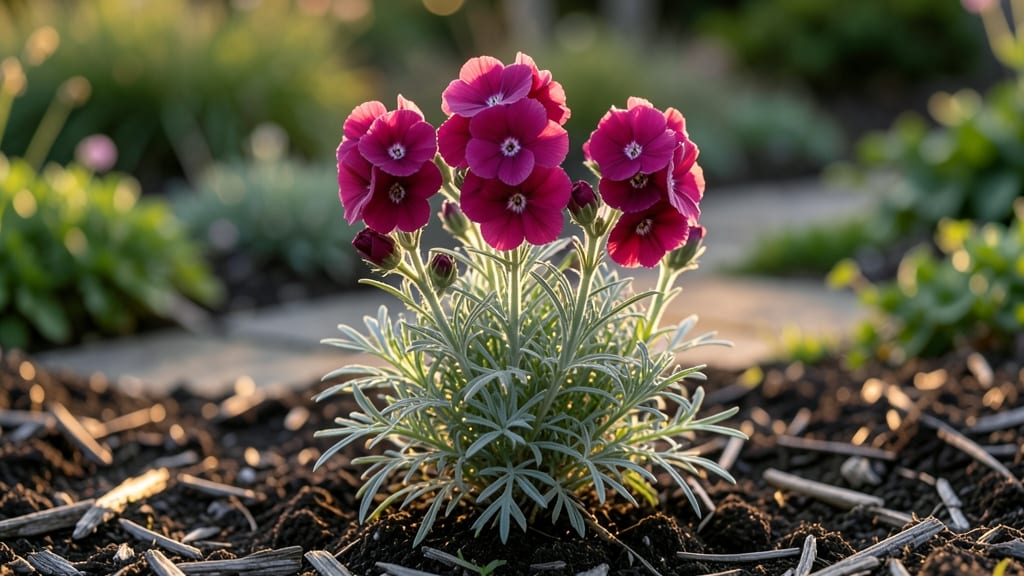
Dianthus flowers bloom in spring through summer for annuals and spring to early fall for perennials, depending on your climate and variety.
If you're dreaming of vibrant pinks, purples, and whites brightening your garden, timing your Dianthus planting just right is key—but when exactly do these charming flowers bloom? The answer depends on whether you're growing annuals or perennials, and where you live.
For most gardeners in USDA Zone 6a like me, annual Dianthus typically burst into color from June to August, while hardy perennials may extend their show into September. But cooler regions or late frosts can shift that window by weeks.
Below, I’ll break down the exact months for your variety, plus the simple care tricks to coax longer blooms—whether you’re in a hot summer zone or a cooler climate.
Dianthus flowering seasons by variety: annual vs perennial blooming times
Timing your Dianthus planting can make all the difference in enjoying their stunning clusters of pinks, purples, and whites. These flowers come in two main categories: annual varieties, which thrive for one season, and perennial types, which return year after year.
Each has distinct blooming windows that depend on your USDA zone and the specific variety you choose.
Annual Dianthus typically burst into bloom in late spring to early summer, offering vibrant color for 2-3 months. Perennial varieties, on the other hand, often start earlier in spring and can extend their show into fall, especially with proper care.
Understanding these differences helps you plan for a continuous display of color throughout the growing season.
Cold-hardy perennials like 'Firewitch' or 'Sweet William' hybrids can handle USDA zones 3-9, while tropical varieties thrive in zones 10-11. The key to maximizing their blooms lies in knowing when to plant and how to care for them during their active growing months.
Let’s break down the blooming windows for each type so you can enjoy Dianthus flowers at their best.
| Variety Type | Blooming Window | Key Varieties | USDA Zones | Care Notes |
|---|---|---|---|---|
| Annual Dianthus | Late spring to early summer (May-July) | 'Firewitch', 'Pink Skyrocket', 'Rainbow Mix' | All zones (treated as annual) | Deadhead regularly for prolonged blooms |
| Cold-Hardy Perennial | Spring to early fall (April-September) | 'Sweet William', 'Cheddar Pink', 'Firewitch' | 3-9 | Prune back after first bloom for fall rebloom |
| Tropical Perennial | Year-round in warm climates (spring-fall in cooler zones) | 'Mystic Tides', 'Giant Border' | 10-11 (can be annual in cooler zones) | Protect from frost; mulch in winter |
Annual Dianthus varieties like 'Firewitch' and 'Pink Skyrocket' are perfect for gardeners who want bold color in a single season. These plants typically bloom from late spring through early summer, with peak performance in June and July.
They thrive in full sun and well-draining soil, making them ideal for border plantings or container gardens. Since they complete their life cycle in one year, timing your planting 4-6 weeks before your last frost date ensures they’ll establish roots and bloom on schedule.
Perennial Dianthus varieties, such as 'Sweet William' and 'Cheddar Pink', offer a longer blooming window, often starting in early spring and continuing into early fall.
These cold-hardy types are well-suited for USDA zones 3-9 and can even rebloom in fall if you prune them back after the first flush of flowers. Their ability to return year after year makes them a low-maintenance favorite for gardeners seeking long-term color.
If you live in warmer climates (zones 10-11), tropical Dianthus varieties like 'Mystic Tides' can bloom year-round, though they may slow down in summer heat. In cooler regions, these varieties are often grown as annuals or treated as such, with blooms concentrated in spring and fall.
To protect them, use mulch in winter and bring potted varieties indoors if frost is expected.
For gardeners in USDA zones 3-5, focus on cold-hardy perennials like 'Firewitch', which can withstand winter temperatures down to -30°F. These varieties often bloom earlier in the season, giving you a head start on color.
In zones 6-9, you can mix both annuals and perennials to create a continuous bloom sequence, starting with perennials in spring and transitioning to annuals in summer.
To encourage longer blooming periods, practice regular deadheading—removing spent flowers—to redirect the plant’s energy into producing new blooms. For perennials, a light pruning after the first bloom can stimulate a second flush of flowers in fall.
This simple step can extend your Dianthus display by 4-6 weeks, giving you even more enjoyment from these charming flowers.
Understanding the blooming windows of Dianthus varieties helps you plan your garden layout for maximum visual impact. Pair early-blooming perennials with late-summer annuals
Month-by-month Dianthus blooming schedule for US growing zones
Timing your Dianthus blooms depends on your USDA zone and the variety you choose. Most annual Dianthus burst into color from late spring to summer, while perennial types often rebloom in late summer or fall. Understanding these patterns helps you plan for continuous color all season long.
In cooler zones (3-5), expect earlier blooms in May-June, while warmer zones (8-10) may see flowers as early as March-April. Hybrids like 'Firewitch' often bloom 2-3 weeks earlier than standard varieties, giving you a head start on seasonal color.
🌸 Visual Guide: Dianthus Blooming Schedule by Zone
For Zone 3-5 gardeners, focus on cold-hardy varieties like 'Sweet William' hybrids, which thrive in cooler climates and often produce two bloom cycles—once in early summer and again in late summer.
In warmer zones (8-10), you can enjoy year-round blooms with proper care, especially with tropical Dianthus varieties.
To maximize blooms, plant annual Dianthus in early spring (4-6 weeks before last frost) and perennials in fall for spring blooms. In Zone 10, you can even plant in winter for earlier spring color.
Always choose well-draining soil to prevent root rot, which can delay or reduce blooming.
Pro tip: Deadhead spent blooms regularly to encourage continuous flowering. For perennials, a light pruning after the first bloom often triggers a second flush of flowers in late summer. With the right timing and care, your Dianthus can provide months of vibrant color!