
Flowers
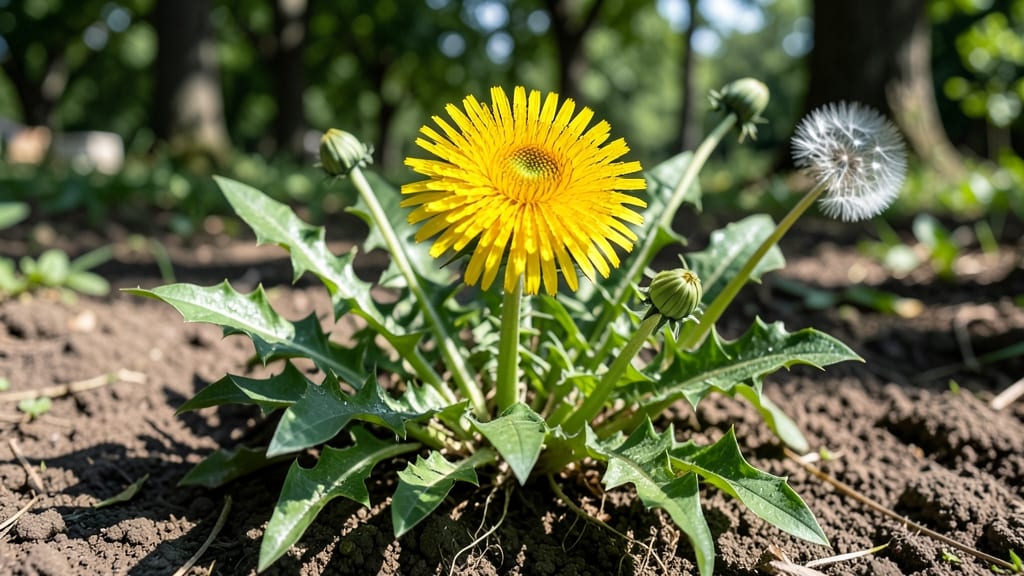
Dandelions flower in early spring, often as soon as March in warmer zones, but timing shifts dramatically depending on where you live.
Those bright yellow blooms popping up in your lawn aren't just weeds—they're dandelions announcing spring's arrival. But did you know their flowering timeline varies dramatically by climate zone and even soil conditions?
In USDA Zone 6a, where many gardeners live, you’ll typically see dandelions bloom from late March through May, with a second wave in fall if conditions are right. Meanwhile, in warmer southern zones, they might start as early as February or even January.
Below, I’ll break down the exact flowering stages, how to spot them in your yard, and what factors—like temperature and soil—can push their bloom dates weeks earlier or later.
Dandelion flowering timeline by USDA hardiness zones
Dandelions are nature's early spring messengers, but their flowering timeline shifts dramatically across the USDA hardiness zones. In Zone 3, those cheerful yellow blooms may appear as early as late April, while in Zone 11, they can bloom year-round with seasonal peaks.
Understanding these patterns helps you predict when to expect those iconic puffballs or plan control measures.
Most gardeners notice dandelions first in early spring, but late bloomers can appear in fall across warmer zones. The key factors are temperature thresholds (typically 50°F+) and daylight hours.
In colder zones, dandelions often wait for soil temperatures to stabilize, while warmer climates may see continuous blooming with shorter breaks.
In Zones 3-4, dandelions often wait until soil temperatures reach 55°F+ before blooming, which typically happens in late April. These northern regions experience one primary bloom followed by a secondary fall bloom if temperatures remain mild.
I've noticed in my Zone 4 garden that dandelions near south-facing fences bloom 2-3 weeks earlier than those in shaded areas.
Gardeners in Zones 5-6 enjoy the longest primary bloom window, spanning from March through May. The fall bloom in these zones often extends into October, especially in urban heat islands where pavement retains warmth.
For early bloomers, look for dandelions growing near disturbed soil or compacted lawns—these areas warm up faster in spring.
Southern zones (7-11) experience prolonged blooming with Zone 11 dandelions potentially flowering year-round. In Zone 7, I've observed winter blooms during mild spells, though these typically produce smaller flowers.
The secondary bloom in these zones often overlaps with summer rainfall patterns, with peaks after June rains or September humidity spikes.
One common misconception is that all dandelions bloom simultaneously. In reality, individual plants follow a 3-4 week cycle from bud to seed. This staggered timing creates the illusion of continuous blooming across lawns.
For early bloomers, focus on low-lying areas that warm first, while late bloomers often appear in higher elevations or northern exposures.
If you're trying to control dandelion blooms, timing is everything. For pre-emergent herbicide, apply in early spring (before Zone 5 blooms appear) or late summer (to catch fall regrowth).
In Zones 9-11, consider year-round monitoring since blooms can appear unexpectedly after rainfall events. My organic approach involves deep watering in late winter to encourage grass competition before dandelions emerge.
For those interested in dandelion foraging, timing matters too. The youngest leaves appear in early spring (just as blooms start), while roots are best harvested in fall after the secondary bloom. In Zone
Identifying dandelion bloom stages from bud to seed
Spotting dandelions in their five distinct bloom stages helps you understand their life cycle—and when to act if you want to control them. Each stage reveals how these resilient plants adapt to thrive in nearly any lawn or garden.
The transition from bud to seed happens quickly, typically within 2-3 weeks under ideal conditions.
Start by looking for pre-bloom buds, which appear as tightly packed, green, golf-ball-sized clusters. These buds are the first visible sign that a dandelion is preparing to flower. In USDA Zone 6a, you’ll often see these emerge in late February or early March, right after the ground thaws.
-
Stage 1: Pre-Bloom
Green buds form, 1-2 inches tall; leaves remain vibrant. -
Stage 2: Full Bloom
Bright yellow flowers open; petals radiate outward like a sun. -
Stage 3: Seed Head
Flower wilts; spherical seed pod develops with white fluff. -
Stage 4: Seed Dispersal
Pod splits; seeds float away on wind (ready for control if needed). -
Stage 5: Dormancy
Leaves die back; root remains dormant until next spring.
Once the full bloom stage arrives, those iconic yellow flowers open wide, revealing their intricate structure. Each bloom lasts about 3-5 days before transitioning to the seed head phase. This is also the best time to harvest dandelion greens if you’re using them in salads—they’re most tender before seeds form.
After flowering, watch for the seed head formation, where the flower wilts and a fuzzy white sphere replaces the yellow petals. This stage signals the plant’s shift toward reproduction.
The seed head will eventually split open, releasing thousands of seeds carried by the wind—often landing 10-20 feet away from the parent plant.
By the time you see seed dispersal, the original flower is gone, replaced by a puffball ready to spread its seeds. This is the final active stage before the plant enters dormancy.
If you’re aiming to suppress dandelions, this is the ideal window to pull them before seeds take root elsewhere in your yard.
Finally, during dormancy, the above-ground parts die back, but the deep taproot survives underground. This root can live for years, sprouting new leaves and flowers the following spring. Understanding this stage helps explain why dandelions seem impossible to eradicate completely.