
Flowers
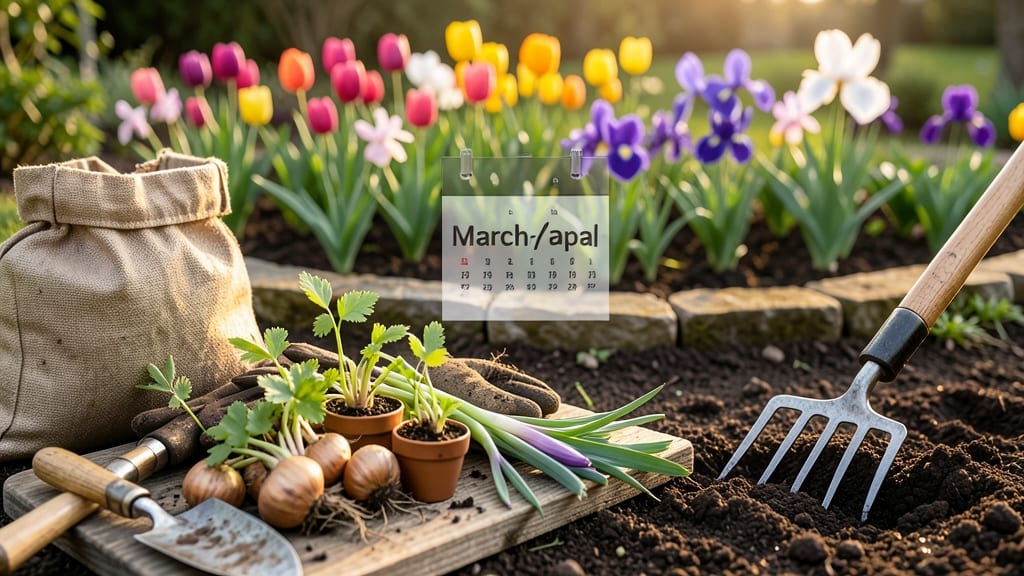
Planting flowers in New England at the right time means the difference between a garden bursting with color and one that struggles to take root.
New England’s unpredictable spring frosts and short growing seasons mean planting flowers at the wrong time can leave your garden looking bare—or worse, dead. Timing is everything, but with Zones 4-7’s varied climates, when exactly should you plant?
The answer depends on whether you’re growing hardy perennials or delicate annuals, and whether you’re in coastal Maine or inland Vermont.
Most gardeners know to wait until after the last frost, but that’s only part of the story. Soil temperature, microclimates, and even the type of flowers you’re planting can shift your ideal window by weeks.
For example, cool-loving pansies can handle early spring plantings, while heat-loving zinnias need to wait until the ground warms to 60°F.
In this guide, I’ll break down the best planting times for your zone, how to adjust for late frosts, and which flowers thrive when planted early versus late.
By the end, you’ll know not just when to plant, but how to give your flowers the best shot at success—even in New England’s tricky climate.
New England flower planting calendar by hardiness Zone (4-7)
New England’s hardiness zones 4-7 create dramatic differences in planting windows—from Maine’s chilly Zone 4 to Connecticut’s milder Zone 7. Getting your flowers in the ground at the right time ensures vibrant blooms instead of frost damage.
The key? Aligning with your zone’s last frost date, soil temperature, and microclimates like coastal warmth or inland cold snaps.
For Zone 4 (Maine, New Hampshire), aim for late May planting after soil warms to 60°F, while Zone 7 (Connecticut, southern Massachusetts) can start as early as mid-April.
Coastal areas often enjoy 2-3 weeks earlier planting than inland spots. Let’s break it down by flower type and zone to maximize your garden’s potential.
| Zone | Plant Type | Best Planting Window | Soil Temp Threshold | Notes |
|---|---|---|---|---|
| 4 (Maine, NH) | Cool-Season Annuals (Pansies, Snapdragons) |
Mid-April to May 15 | 40-50°F (4-10°C) | Start seeds indoors in March |
| 4 | Warm-Season Annuals (Marigolds, Zinnias) |
After May 20 (soil 60°F+) | 60°F+ (15°C+) | Use row covers for early starts |
| 5 (VT, NH, ME) | Perennials (Coneflowers, Black-Eyed Susans) |
April 15 - May 10 | 50°F+ (10°C+) | Divide clumps in early spring |
| 6 (MA, RI, CT) | Bulbs (Tulips, Daffodils) |
Fall (Oct-Nov) or Spring (Mar-Apr) | 50°F+ (10°C+) | Spring bulbs need chilling |
| 7 (CT, Long Island) | Fall Planting (Mums, Asters) |
August 15 - September 15 | 55°F+ (13°C+) | 6-8 weeks before frost |
| All Zones | Herbs (Lavender, Thyme) | April 15 - May 30 | 50°F+ (10°C+) | Drought-tolerant; full sun |
My Zone 5 garden in Vermont thrives when I plant cool-season annuals like pansies in early April, even if the ground is still cold. These hardy flowers handle light frosts and bloom until summer heat arrives.
For warm-season favorites like sunflowers, I wait until after Memorial Day—when soil temperatures consistently stay above 60°F—to avoid stunted growth.
Bulbs are a special case. Spring-blooming bulbs like tulips and daffodils need 6-8 weeks of chilling, so plant them in fall (October-November) for next spring’s show. Summer-blooming bulbs, such as dahlias, go in after your last frost date—usually mid-May in Zone 5—when nighttime temperatures stay above 50°F.
Don’t overlook microclimates—your garden’s sunny south slope may be 2 weeks ahead of shady north-facing beds. I’ve seen petunias thrive in containers on my deck by May 1 while the same plants in the shade struggle until mid-May.
Adjust your planting dates accordingly, and consider heat-loving annuals like cosmos or zinnias for late summer color when temperatures peak.
For Zone 6 and 7 gardeners, you can push boundaries with early spring planting of frost-tolerant varieties. My friend in Zone 6 Connecticut plants calendulas and stock as early as March 20 under row covers, extending her bloom season by 3-4 weeks.
Just be prepared to protect young plants with frost cloth if late frosts hit.
Fall planting is your second chance for color. In Zones 5-7, aim to get mums, asters, and sweet alyssum in the ground by mid-August. These plants need 6-8 weeks to establish roots before winter sets in. I’ve
How to adjust planting times for New England’s unpredictable weather
New England’s weather can shift from freezing cold to scorching hot in a matter of weeks, leaving gardeners scrambling to adjust planting schedules. The key to success lies in flexibility—knowing how to extend your growing season and protect tender plants from unexpected frosts or heatwaves.
For example, my Zone 5 garden in Vermont saw a late frost in early May one year, wiping out my marigolds before they even sprouted. That’s when I learned to use season extenders and frost-tolerant varieties.
Start by monitoring your local last frost date, but don’t rely solely on averages. Coastal areas like Portland, Maine, often experience warmer springs than inland spots like Burlington, Vermont. A general rule: wait until the soil reaches 60°F (15°C) for warm-season flowers like zinnias and sunflowers.
For cool-season blooms like pansies or snapdragons, you can plant as early as late March, even if frost is still possible.
Here’s the critical adjustment most gardeners miss: soil temperature matters more than air temperature. Use a soil thermometer to confirm readiness—especially for heat-loving annuals. If your soil is cold but the calendar says it’s spring, hold off planting until conditions improve.
This small step saved my geraniums from rotting last year.
Warning: Late Frosts Can Ruin Your Garden
Never plant tender annuals like petunias or impatiens before your average last frost date, even if the weather has been warm. A single 28°F (-2°C) night can kill them. Instead, use these strategies:
- Row covers or frost cloth add 4-8°F of protection.
- Cold frames create microclimates for early planting.
- Choose frost-hardy varieties like sweet alyssum or stock.
Pro tip: Plant fast-growing annuals like bachelor’s buttons or cosmos in succession every 2 weeks to stagger blooms and minimize frost risk.
For early spring plantings, focus on cool-season flowers that thrive in 50-60°F (10-15°C) soil. My go-to varieties include pansies, calendula, and lobelia, which handle light frosts and even bloom in cooler weather. These plants buy you time while the soil warms up naturally.
Pair them with hardy perennials like coneflowers or black-eyed Susans, which can be planted as early as late April in most of New England.
When summer heat arrives, switch to heat-tolerant annuals like zinnias, marigolds, or portulaca. These thrive in 70-90°F (21-32°C) temperatures and can handle drought conditions once established. To extend their season, mulch heavily with straw or wood chips to retain moisture and keep roots cool.
Last summer, my zinnias bloomed until first frost because I used drip irrigation and mulched religiously.
Don’t overlook fall planting—it’s a game-changer for perennials and bulbs. Many flowers, like chrysanthemums or aster, can be planted as late as September in Zones 4-6. They’ll establish roots before winter and reward you with early spring blooms.
For bulbs, tulips and daffodils should go in the ground by mid-October to naturalize properly. My daffodils now pop up in early April, signaling that winter’s over!
Finally, embrace microclimates in your garden. A south-facing wall can add 10°F of warmth, while a shady spot under trees may stay cooler. Use these natural variations to your advantage: plant heat-lovers near warm walls and cool-season flowers in shadier areas.
With these adjustments, you’ll turn New England’s unpredictable weather into an opportunity—rather than an obstacle—for a longer, more vibrant blooming season. 🌸