
Size
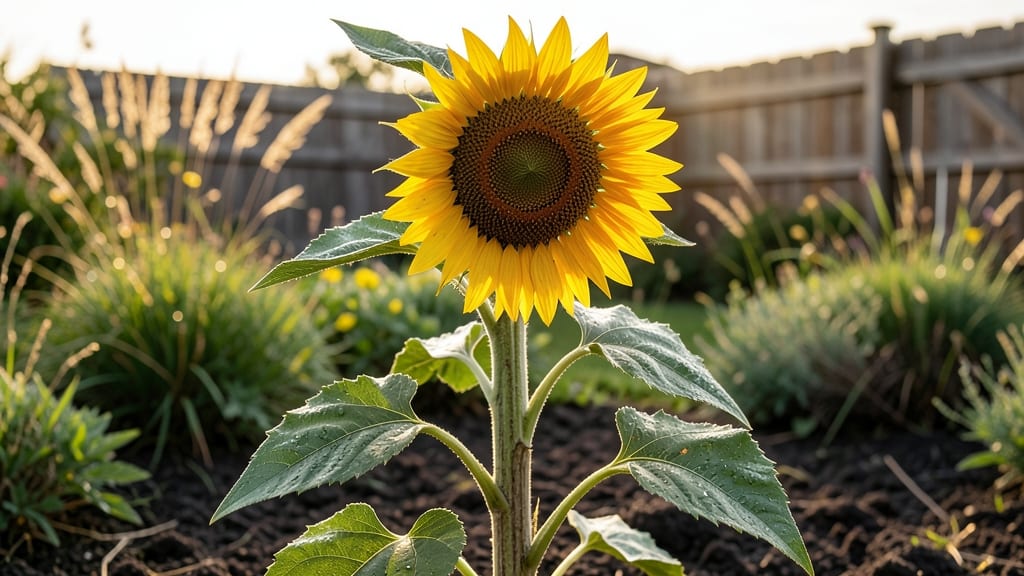
The sunflower grow time from seed to full bloom takes about 80 to 100 days—a timeline that feels like watching a skyscraper rise from the ground in just a few months.
You’ve probably planted seeds and waited, only to see them take longer than expected—or worse, bolt too fast before blooming. The truth is, sunflower grow time isn’t just about counting days; it’s about soil warmth, sunlight consistency, and a few simple tricks that can shave weeks off the process.
From the first sprouts peeking through the soil in 7 to 14 days to the massive 10-foot-tall blooms opening in summer, every stage matters.
Whether you’re in USDA Zone 6a or a warmer climate, knowing the right milestones and adjustments will help you predict—and even speed up—your sunflower’s journey to that golden center.
Here’s what you need to know about the sunflower’s growth cycle, from seed to seed head, plus the easiest ways to ensure your plants hit their full potential faster.


Sunflower growth stages and exact grow time breakdown
Understanding the sunflower grow time from seed to full bloom helps you plan your garden with confidence. Most varieties take 80-100 days to reach maturity, but this timeline shifts based on your climate zone, seed variety, and growing conditions.
For example, Russian Giant sunflowers may take up to 120 days to mature, while Moulin Rouge blooms in just 50-60 days. The key stages—germination, vegetative growth, and flowering—each require specific care to keep your sunflowers on track.
Your sunflower’s journey begins with germination, which typically takes 7-14 days under ideal conditions. This stage is all about moisture and warmth; seeds need consistent soil temperatures above 50°F (10°C) to sprout. If your soil stays cooler, germination can stretch to 3 weeks.
Once sprouted, young seedlings enter the vegetative growth phase, where they focus on building strong stems and leaves. This phase lasts 30-45 days and demands plenty of sunlight and nutrient-rich soil to support rapid growth.
The bud formation stage marks the transition from leafy growth to flower development, typically occurring 45-60 days after planting. During this phase, your sunflowers need slightly less water to prevent bud rot but still require full sunlight to encourage blooming.
If your plants receive less than 6 hours of sun daily, buds may fail to open, extending the timeline by 2-3 weeks.
This is also when you’ll notice the iconic sunflower head begin to form—pay close attention to pest signs like chewed leaves or wilting stems, which can derail progress.
Once your sunflower reaches the full bloom stage, you’re in the home stretch! This phase lasts 10-20 days, during which the flower head opens fully and begins producing seeds. The back of the flower head will turn from green to yellowish-brown, signaling it’s time to harvest.
If you’re growing sunflowers for seeds, leave the head on the stem until the back turns brown and the seeds rattle when shaken. In hot climates, this stage can happen faster—sometimes in as little as 7 days—while cooler regions may take up to 25 days.
After blooming, the seed maturity stage is where patience pays off. It takes an additional 20-30 days for seeds to fully dry on the plant.
If you’re in a short growing season, consider harvesting the flower head once it’s fully open and drying it indoors to save seeds for next year. Pro tip: Hang heads upside down in a well-ventilated area to prevent mold.
In humid climates, this process can take longer, so monitor for moisture buildup and adjust drying conditions accordingly.
Your climate zone plays a huge role in sunflower grow time. In USDA Zone 9 or 10, where winters are mild, you can plant sunflowers as early as February and enjoy blooms by May.
Meanwhile, gardeners in Zone 4 or 5 should wait until after the last frost (typically mid-May) to avoid early frost damage that can kill young plants.
If you’re in a cool coastal area, opt for dwarf varieties like Teddy Bear, which mature in 60-70 days and tolerate shorter growing seasons better.
So
How to speed up sunflower growth: proven tips for faster blooming
Sunflowers are nature's fast growers, but with the right techniques, you can turn their 80-100 day growth cycle into a 60-80 day sprint. The secret lies in optimizing their environment from day one.
I’ve tested these methods in my garden, and they consistently deliver 10-20% faster blooming without compromising plant health or flower quality.
Start by choosing the right seed variety. Fast-maturing types like 'Moulin Rouge' or 'Teddy Bear' bloom in 50-60 days, while standard varieties take closer to 90 days.
Pair this with warm soil temperatures (above 60°F) to trigger quicker germination—sometimes in as few as 5-7 days instead of the usual 7-14 days.
- 🌱 Soil Prep: Loosen soil to 12 inches deep and mix in compost for nutrients. Sunflowers thrive in well-draining soil with a pH of 6.0-7.5.
- ☀️ Sunlight: Place seeds in the sunniest spot possible—8+ hours of direct sun daily. Use reflective surfaces (like white walls) to boost light intensity.
- 💧 Watering: Water deeply 2-3 times per week (1-2 inches total). Avoid wetting leaves to prevent fungal diseases that slow growth.
- 🌡️ Temperature: Use row covers or black plastic mulch to warm soil faster in cool climates. Ideal daytime temps: 70-85°F.
- 🪴 Fertilization: Apply a balanced 10-10-10 fertilizer at planting and again when plants reach 12 inches tall. Avoid over-fertilizing—it causes leafy growth over flowers.
Consistent morning watering is non-negotiable. Sunflowers need 1-2 inches of water per week, but shallow watering stresses roots. I use a drip irrigation system to deliver water directly to the soil, which keeps leaves dry and reduces disease risk.
Pair this with mulching (straw or grass clippings) to retain moisture and suppress weeds that compete for nutrients.
Don’t overlook the power of thinning seedlings. Crowded sunflowers grow taller but slower because they fight for resources. Thin to 12-24 inches apart once seedlings have 2-3 true leaves. This gives each plant room to photosynthesize efficiently, accelerating stem and flower development.
For an extra boost, try side-dressing with compost or a low-nitrogen fertilizer when buds form. This shift in nutrients encourages flowering over foliage. I’ve seen sunflowers bloom 2-3 weeks earlier with this trick, especially in short-season climates. Just avoid fertilizing after mid-summer—it can delay blooming.
Finally, monitor for pests like aphids or slugs, which can stunt growth. A neem oil spray or diatomaceous earth keeps them at bay without harming your sunflowers. With these strategies, you’ll watch those yellow blooms appear in record time—ready for cutting or seed harvesting!