
Flowers
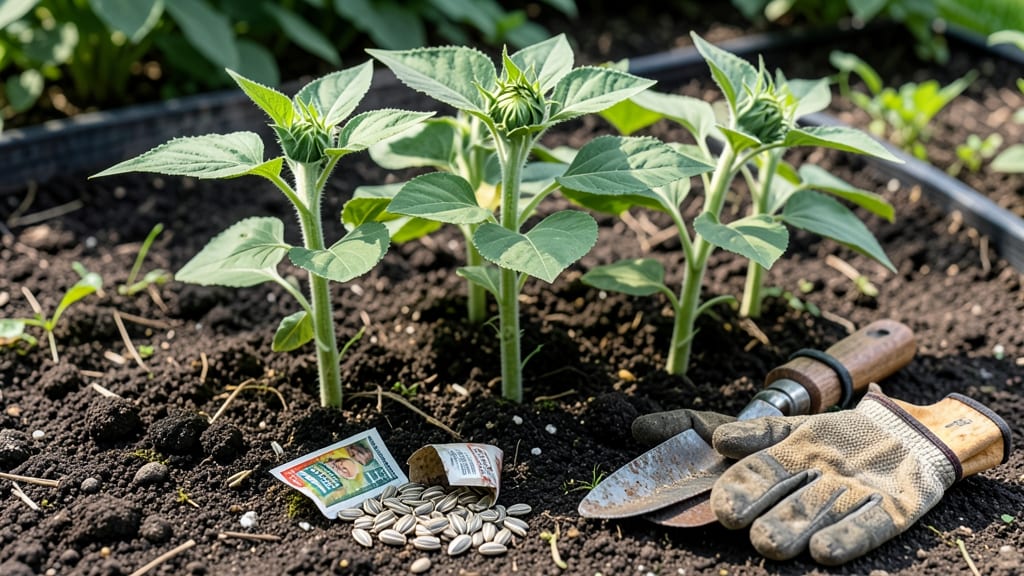
Planting sunflowers in Kentucky after the last frost date — usually around mid-April — ensures your 🌻 seeds have the warmth they need to thrive.
Sunflowers thrive in Kentucky’s warm climate—but planting them too early or late can mean the difference between towering blooms and wilted disappointment. Timing isn’t just about the calendar; it’s about your specific county’s last frost date and soil warmth.
In USDA Zone 6a, where Kentucky falls, the ideal window runs from mid-April to mid-June. That gives your sunflowers 120+ days to grow before the first frost hits in October, whether you’re growing giant varieties or compact dwarf types.
Below, I break down the exact frost-free timeline by county, soil prep tips for Kentucky’s clay-heavy soils, and how to adjust planting for early vs. late starts. You’ll also find the best varieties for your region and how to keep them blooming all summer.
Kentucky’s sunflower planting timeline by county: last frost dates & ideal months
Kentucky’s diverse climate means your sunflower planting window can vary by 10-14 days depending on whether you’re in Northern Lexington or Western Bowling Green. The key factor? Soil temperature must reach 60°F+ for seeds to germinate reliably.
Most counties experience their last spring frost between mid-April and early May, but microclimates—like urban heat islands—can shift these dates by a week.
For giant sunflower varieties (like ‘Russian Giant’), aim to plant 4-6 weeks before your county’s last frost to ensure a full 100-120 day growing season. Dwarf varieties (like ‘Teddy Bear’) are more flexible and can handle late-May starts in cooler regions.
The risk? Planting too early exposes seedlings to frost damage, while late starts may result in smaller blooms before the first frost.
Soil warmth is just as critical as air temperature. Use a soil thermometer to confirm 60°F+ at 2-inch depth before planting. In Northern Kentucky, this often means waiting until late April or early May, while Southern counties like Bowling Green can start as early as mid-April. Below is a county-by-county breakdown to help you pinpoint your ideal planting window.
If you’re in Northern Kentucky (like Corbin or Morehead), prioritize early-maturing varieties like ‘Autumn Beauty’ (60-70 days) to avoid fall frosts. In Western Kentucky, you can push the envelope with late-May plantings for fall-blooming sunflowers, especially if you choose heat-tolerant varieties like ‘Moulin Rouge.’
For container gardening in urban areas (e.g., Louisville or Lexington), start seeds indoors 2-3 weeks early using grow lights to extend your season.
Harden off seedlings for 7-10 days before transplanting after your county’s last frost. Row covers can also buy you 2-3 extra weeks for early starts in cooler regions.
Pro tip: Succession planting works beautifully for sunflowers. In Southern Kentucky, sow a second batch in early June for late-summer blooms. In Northern counties, stick to one planting in early May to maximize your short season.
Always space seeds 6-12 inches apart (closer for dwarfs, wider for giants) to prevent crowding and disease.
Monitor your local weather forecasts in the weeks leading up to planting.
How to adjust sunflower planting for Kentucky’s microclimates & soil types
Kentucky’s diverse geography means your sunflower success depends on where you live. Eastern counties like Pike and Knott have cooler, wetter springs, while Western KY areas like Henderson and Hopkins enjoy earlier soil warmth.
Even within cities, microclimates vary—urban heat islands can extend growing seasons by 1-2 weeks compared to rural areas.
Your soil type matters just as much as your location. Clay-heavy soils dominate much of Kentucky, slowing drainage and delaying germination. Meanwhile, sandy soils in regions like the Pennyrile area dry out faster. Let’s adapt your planting strategy to these real-world conditions for maximum bloom potential.
⚠️ Critical Timing Alert for Kentucky Gardeners
Planting too early risks frost damage to young seedlings, while delaying past June 15 may result in stunted growth before fall frosts. For high-altitude areas (eastern KY), wait until May 1—soil temps below 55°F will stall germination. Use a soil thermometer to confirm readiness.
Pro Tip: In clay soils, amend with compost or sand before planting to improve drainage. For urban containers, use fast-draining potting mix with perlite.
For urban gardeners with limited space, container growing works beautifully. Choose dwarf varieties like ‘Teddy Bear’ (1-3 ft tall) and plant in 5-gallon pots with drainage holes. Place containers on patios or balconies where they’ll receive 6+ hours of sunlight.
Remember to water daily in summer—containers dry out 3x faster than in-ground beds.
In clay-heavy regions, focus on soil amendments before planting. Mix in 2-3 inches of compost or aged manure to improve structure. For extreme clay, consider raised beds filled with a 50/50 mix of topsoil and compost.
These amendments help prevent root rot while ensuring your sunflowers get the nutrients they need for healthy stem development.
To extend your blooming season, practice succession planting. Start your first batch in early May (after last frost), then sow every 2-3 weeks until mid-July. This staggered approach ensures continuous blooms from July through October.
For early starts, use row covers to protect seedlings from late frosts—remove covers once plants reach 6 inches tall to prevent overheating.
High-altitude areas like Eastern Kentucky (USDA Zone 6a) need special attention. Plant short-season varieties like ‘Autumn Beauty’ (60-70 days to maturity) in late May to avoid fall frosts. Use black plastic mulch to warm soil faster and consider cold frames for early starts.
In Western KY (Zone 7a), you can push planting into early June for late-season blooms.
With these adjustments, you’ll transform Kentucky’s challenging conditions into sunflower-growing gold. Whether you’re battling clay soil, urban heat, or high-altitude frosts, the right timing and preparation will reward you with vibrant blooms that attract pollinators all season long. 🌻