
Flowers
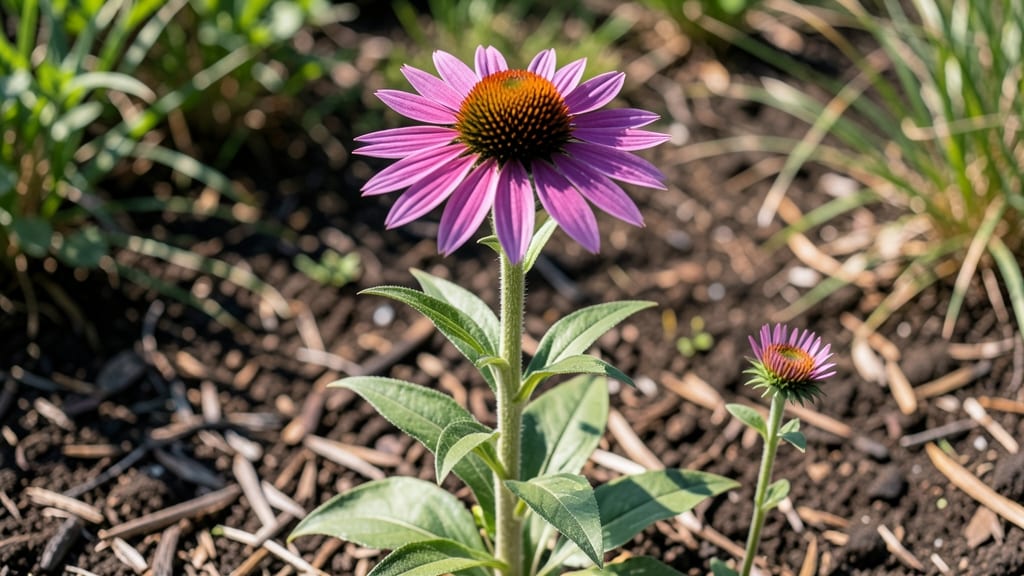
Coneflowers grow between 1 and 5 feet tall, depending on the variety and growing conditions—so if you're planning your garden, knowing their mature size is key to spacing and design.
Picture this: a 5-foot-tall 'Magnus' coneflower 🌼 dominating the back of your border, while a 1-foot 'Kim’s Knee High' adds delicate color near the front. The difference in height isn’t just about aesthetics—it impacts airflow, pollinator access, and even how you prune.
Sunlight, soil fertility, and pruning habits all play a role in whether your coneflowers hit their full potential height. Too much shade? They’ll stay shorter. Over-fertilizing? You might get leggy stems. But with the right care, you can steer their growth to fit your garden’s vision.
In this guide, I’ll break down the height ranges of popular varieties, share spacing tips to avoid crowding, and reveal how to encourage the perfect size—whether you want a towering statement plant or a compact pollinator magnet.


Coneflower height ranges: mature sizes by variety type
If you’ve ever wondered, "How tall are coneflowers?" the answer depends entirely on the variety you choose. Coneflowers (Echinacea) offer a stunning range of heights, from dwarf varieties perfect for containers to tall garden statements that anchor borders.
Knowing these mature size ranges helps you plan your garden layout with confidence—whether you’re creating a pollinator paradise or a low-maintenance perennial bed.
Most coneflowers reach their full mature height by their second or third year, though some varieties grow steadily each season. The tallest coneflowers can top 5 feet, while dwarf varieties stay under 2 feet.
This diversity makes them incredibly versatile for gardeners with different space constraints and design goals. Let’s explore the height ranges by category so you can pick the perfect fit for your garden.
🌼 Visual Height Guide: Imagine a standard garden bed (about 18 inches tall) and a 6-foot fence. Coneflowers typically fall between these two markers, but some varieties can reach nearly fence height, while others stay at bed height or below. This visual comparison helps when planning spacing and companion plants.
| Variety Type | Mature Height Range | Best For | Example Varieties |
|---|---|---|---|
| Tall Varieties | 3–5 feet | Back of borders, cut flowers, pollinator gardens | 'Magnus', 'White Swan', 'Green Envy' |
| Mid-Height Varieties | 2–3 feet | Mixed borders, containers, pollinator gardens | 'Hot Papaya', 'Pink Double Delight', 'Sombrero Salsa' |
| Dwarf Varieties | 1–2 feet | Front of borders, rock gardens, containers | 'Kim’s Knee High', 'White Lustre', 'Mango Tango' |
The tallest coneflowers, like 'Magnus' and 'White Swan', can grow up to 5 feet tall and are perfect for creating a dramatic backdrop in your garden. These varieties thrive in full sun and well-draining soil, making them ideal for pollinator gardens or as cut flowers.
Their height also makes them excellent for screening plants or adding vertical interest to cottage-style gardens.
For mid-height coneflowers (2–3 feet), varieties like 'Hot Papaya' and 'Green Envy' strike the perfect balance. They’re versatile enough for mixed borders or container gardening while still attracting bees and butterflies.
These plants often bloom earlier in the season than their taller counterparts, extending your garden’s color palette from early summer through fall.
If you’re working with limited space or prefer a neat, low-maintenance look, dwarf coneflowers like 'Kim’s Knee High' are ideal. These varieties stay under 2 feet tall and are perfect for rock gardens, front-of-border plantings, or even window boxes.
Their compact size also makes them easier to prune and maintain without sacrificing their vibrant blooms.
One common question I hear is, "Will my coneflower stay short if I plant it in a pot?" The answer depends on the variety and container size. Dwarf varieties thrive in containers, while taller varieties may need large pots (18+ inches wide) to support their height.
Always choose a container with drainage holes and use a well-draining potting mix to prevent root rot.
Pro tip: If you’re unsure about spacing, plant taller coneflowers 2–3 feet apart and dwarf varieties 12–18 inches apart. This gives roots room to spread while preventing overcrowding. For pollinator gardens, mix heights to create a layered effect that attracts bees and butterflies from early morning until sunset.
Remember, coneflower height can vary slightly based on growing conditions like sunlight, soil fertility, and watering habits. For example, a 'Magnus' coneflower might only reach 4 feet if planted in partial shade, while the same variety in full sun could hit 5 feet.
Pay attention to your plants’ growth patterns and adjust care accordingly to encourage their full potential.
Now that you know the height ranges, you’re ready to choose the perfect coneflowers for your garden! Whether you’re dreaming of a towering pollinator haven or a compact container display, there’s a coneflower variety that’s just the right size for your space. Happy planting! 🌿
How coneflower height affects garden design and spacing
When planning your garden, the height of coneflowers plays a crucial role in creating a balanced and visually stunning space. Tall varieties like 'Magnus' (4-5 ft) can serve as dramatic backdrops, while dwarf types such as 'Kim’s Knee High' (1-2 ft) work beautifully in borders or containers.
Understanding these differences helps you avoid overcrowding while maximizing impact.
Proper spacing guidelines ensure each plant thrives without competing for nutrients or sunlight. For tall coneflowers (3-5 ft), space them 24-36 inches apart to allow airflow and prevent disease.
Mid-height varieties (2-3 ft) need 18-24 inches of space, and dwarf types can be planted 12-18 inches apart for dense displays.
- Tall Varieties (3-5 ft): Space 24-36" apart for backdrops or cut-flower gardens. Pair with sunflowers or black-eyed Susans for height contrast.
- Mid-Height (2-3 ft): Ideal for pollinator gardens or mixed borders. Space 18-24" apart with salvia or bee balm for layered texture.
- Dwarf Types (1-2 ft): Perfect for container gardens or front-of-bed plantings. Space 12-18" apart with lavender or catmint for low-maintenance borders.
- Pollinator Tip: Cluster 3-5 plants together to create a continuous nectar source for bees and butterflies, regardless of height.
For cut-flower arrangements, taller coneflowers (like 'White Swan') should be planted in clusters of 3-5 plants to create a full bouquet. Use sturdy stakes if needed, especially in windy areas, to prevent flopping.
In pollinator gardens, mix heights to guide bees from ground level to the top of the garden.
In border designs, alternate tall and short coneflowers with grasses or ornamental sedum to add movement and texture. For example, pair 'Green Envy' (2-3 ft) with Russian sage (3-4 ft) to create a layered effect. Always leave 12-18 inches of space between coneflowers and other perennials to reduce competition.
If you’re using coneflowers in containers, choose dwarf varieties and ensure the pot is at least 12-14 inches deep to accommodate their root systems. Group 3-5 plants in a large container (18+ inches wide) for a full, lush display.
Remember, well-draining soil and full sun are non-negotiable for healthy growth.
Finally, prune spent blooms in late summer to encourage a second flush of flowers, which can help fill gaps in your garden design. This also keeps plants looking tidy and prevents them from becoming too leggy as they mature.
With the right spacing and companions, coneflowers will transform your garden into a thriving, pollinator-friendly haven. 🌼