
Light Requirements
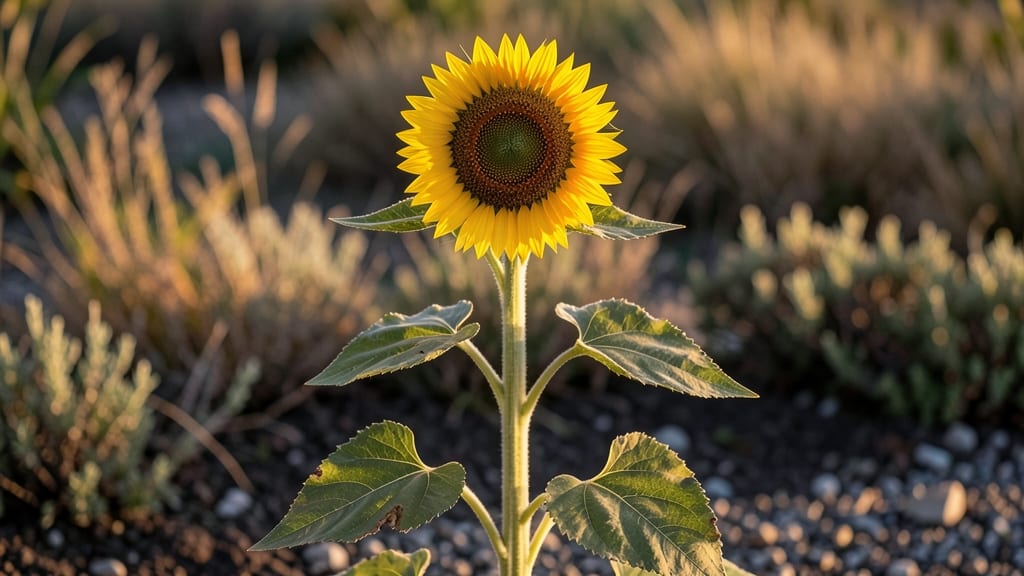
How much light does a sunflower need to thrive? The answer is simple: at least 6 to 8 hours of direct sunlight daily to reach their full towering height and vibrant blooms 🌻 — anything less, and you’ll end up with leggy, weak stalks that struggle to stand.
Picture this: you’ve sown your seeds in early spring, watered them faithfully, and even fertilized, but your sunflowers are stretching toward the sky like they’re reaching for a distant sun.
That’s your plant telling you it’s not getting enough light, and the damage goes deeper than just height—it affects flower size and seed production too.
In this guide, I’ll break down exactly how much sunlight sunflowers crave, why full sun is non-negotiable for most varieties, and what to do if your garden spot just isn’t sunny enough.
Whether you’re dealing with urban shade or a north-facing plot, you’ll learn how to give your sunflowers the light they deserve without sacrificing your dream garden.
You’ll also discover practical tricks to maximize sunlight—like companion planting and strategic spacing—and spot the warning signs of light deprivation before it’s too late. Ready to grow sunflowers that rival the sky?


Sunflower light requirements: the science behind full sun growth
Sunflowers thrive under full sun, but what does that really mean? These towering beauties need at least 6-8 hours of direct sunlight daily to reach their full potential. Without enough light, they’ll grow leggy stems and small, weak blooms, leaving you with shadows of the sunflowers you envisioned.
The science behind their growth is fascinating—sunlight fuels photosynthesis, which directly impacts their height, flower size, and seed production.
Sunflowers are heliotropic, meaning their flower heads follow the sun’s movement across the sky. This behavior maximizes light absorption, but it also means they’re highly sensitive to light deprivation. Even partial shade can reduce their growth by up to 50%, resulting in shorter stalks and fewer seeds.
For example, a Mammoth Russian sunflower, which can grow up to 14 feet in ideal conditions, might only reach 6 feet with insufficient light.
Sunlight directly affects three key aspects of sunflower growth:
- Height: More light = taller stalks (up to 12+ feet).
- Flower size: Optimal light produces blooms 12+ inches wide.
- Seed production: Full sun ensures heavier, more abundant seeds.
| Variety | Minimum Sunlight (Hours/Day) | Height (Ft) | Flower Diameter (Inches) | Seed Yield (Relative) |
|---|---|---|---|---|
| Mammoth Russian | 8+ | 10-14 | 12-16 | High |
| Autumn Beauty | 6-8 | 5-7 | 4-6 | Medium |
| Teddy Bear | 6-8 | 3-5 | 3-4 | Low |
| Russian Giant | 8+ | 12-16 | 10-14 | Very High |
| ProCut | 6-8 | 4-6 | 6-8 | Medium-High |
*Height and yield vary based on sunlight, soil quality, and watering.
If your sunflowers aren’t getting enough light, watch for these red flags:
- Leggy, weak stems that flop over.
- Small, pale blooms instead of vibrant yellow.
- Fewer seeds or underdeveloped seed heads.
Sunflowers planted in partial shade (less than 6 hours of sun) will struggle to produce their signature towering stalks. For example, a ProCut variety, which typically grows 4-6 feet tall, might only reach 2-3 feet without adequate light.
Even dwarf varieties like Teddy Bear need at least 6 hours of sun to maintain their compact size and vibrant color.
In urban gardens or areas with limited sunlight, consider planting sunflowers in the sunniest spot available, even if it’s not a traditional garden bed. Containers placed on patios or balconies can also work if they receive direct sunlight for most of the day.
South-facing windows or reflective surfaces (like white walls) can help maximize light exposure in tight spaces.
For optimal growth, aim for 8+ hours of sunlight during the peak growing months (June-August). In cooler climates or early spring, sunflowers may tolerate slightly less light, but their growth will be slower. Always prioritize direct sunlight over diffused or filtered light—sunflowers need the full spectrum to thrive.
Remember, sunflowers aren’t
How to maximize sunlight for sunflowers: pro tips for gardeners
Sunflowers aren’t just beautiful—they’re sun-hungry giants that need 6-8+ hours of direct sunlight daily to reach their full potential. Without enough light, they’ll grow leggy, weak stems and tiny blooms instead of the towering, vibrant displays you dream of.
The good news? With a few smart strategies, even urban gardeners or those with north-facing plots can give their sunflowers the light they crave.
Start by choosing the sunniest spot in your garden—avoid areas shaded by trees, fences, or buildings. If your space is limited, like a balcony or patio, opt for dwarf sunflower varieties (like 'Teddy Bear' or 'Moulin Rouge') that still thrive in 5-6 hours of sun.
Even small adjustments, like removing nearby shade sources or planting in raised beds, can make a huge difference in sunlight exposure.
- Sunflowers need 6-8+ hours of direct sunlight daily for optimal growth.
- Plant in south-facing areas to maximize morning and afternoon sun.
- Space plants 12-18 inches apart to prevent shade competition between stalks.
- Use companion plants like marigolds or cosmos to reflect light onto sunflower bases.
- Adjust planting time to account for seasonal sun shifts—spring sunflowers need earlier starts.
For gardeners in urban environments or with limited sunlight, try these tricks: Use reflective surfaces like white gravel or mirrors to bounce extra light onto your plants. If you’re growing in containers, place pots on wheelbarrows or stands to elevate them and reduce shade from surrounding structures.
Another hack? Rotate pots throughout the day to ensure all sides get equal sun exposure.
Timing matters too! Sunflowers planted in late spring get more consistent sunlight than those sown in early spring, when days are shorter. If you’re in a northern climate, consider starting seeds indoors under grow lights for 2-3 weeks before transplanting.
This gives them a head start and helps them catch up to seasonal light changes more quickly.
Watch for signs of light deprivation, like pale, stretched stems or small, weak blooms. If you notice these, it’s time to act: thin out overcrowded plants, prune nearby shade sources, or even relocate your sunflowers to a sunnier spot.
Remember, sunflowers are resilient—they’ll lean toward the light, so give them plenty of space to grow upright and strong.
With these sunlight-maximizing strategies, your sunflowers will reward you with bold, towering stalks and vibrant blooms—no matter your garden’s size or location. Happy growing! 🌻