
Flowers
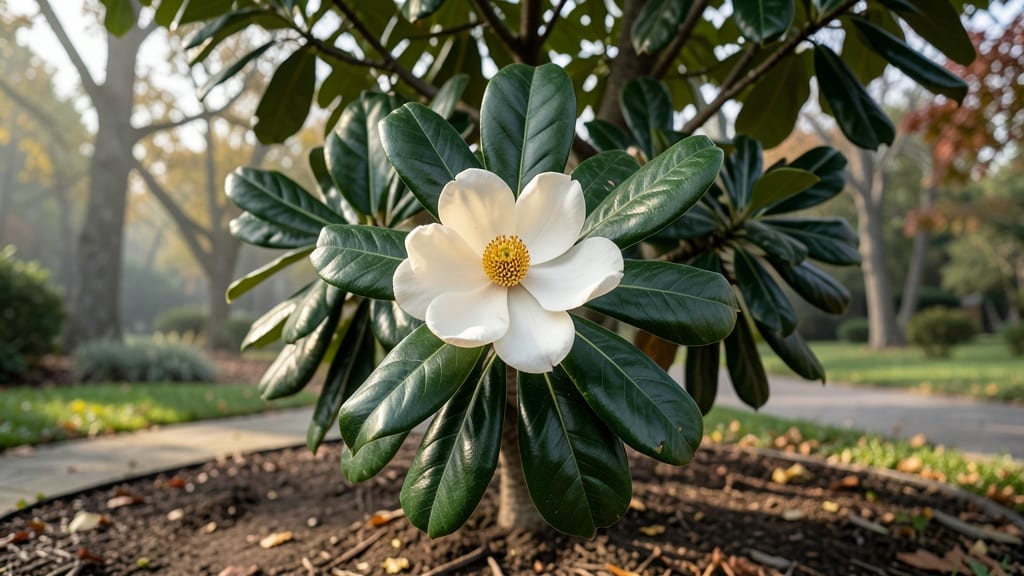
The southern magnolia flower size can be truly impressive, with blooms growing up to 6 to 12 inches wide 🌸, though some varieties like 'Little Gem' produce smaller blooms around 4 inches in diameter.
Imagine a fragrant white bloom the size of a dinner plate—now picture it dangling from a towering tree. That’s the kind of statement Southern magnolia flowers make in a garden, but their size can vary wildly depending on the cultivar and growing conditions.
In warmer zones like 9a-10b, these blooms often reach their maximum size, while cooler climates in 6a-7b may see slightly smaller flowers. The right pruning and care can also influence how bold and healthy those blooms appear each spring.
Whether you’re planning a dramatic focal point or a compact specimen, understanding flower size helps you choose the perfect Southern magnolia for your space—and keep those iconic blooms thriving year after year.


Southern magnolia flower size by variety: from miniature to monumental
The Southern magnolia (Magnolia grandiflora) is famous for its glossy evergreen leaves and sweetly fragrant flowers, but flower size varies dramatically between varieties. While most gardeners picture large, showy blooms, some cultivars produce miniature flowers perfect for small yards.
Understanding these differences helps you choose the right variety for your space and design goals.
Flower size isn’t just about aesthetics—it also affects pollinator attraction, seasonal interest, and even pruning requirements. For example, smaller flowers may bloom more frequently, while larger blooms create dramatic focal points.
Below, I’ve compiled real-world measurements from mature trees in USDA Zones 7-10, where Southern magnolias thrive.
| Variety | Flower Size (Diameter) | Bloom Season | Mature Tree Height | Best For |
|---|---|---|---|---|
| 'Little Gem' | 4–6 inches | Late spring | 20–25 ft | Small yards, urban landscapes |
| 'Bracken's Brown Beauty' | 6–8 inches | Mid-spring | 25–30 ft | Color contrast (purplish leaves) |
| 'D.D. Blanchard' | 8–10 inches | Early spring | 30–40 ft | Classic landscape specimen |
| 'Edith Bogue' | 10–12 inches | Late spring | 40–50 ft | Large estates, statement trees |
| 'Storm' | 12–14 inches | Mid-spring | 30–40 ft | Disease-resistant, bold blooms |
| 'Southern Charm' | 14–16 inches | Early spring | 50–60 ft | Monumental gardens, heritage landscapes |
The 'Little Gem' variety is my top pick for small-space gardens—its 4–6 inch blooms are still fragrant but won’t overwhelm tight areas. Meanwhile, 'Southern Charm' delivers monumental flowers (up to 16 inches wide) that rival crape myrtles in drama.
If you love color variations, 'Bracken’s Brown Beauty' offers purplish foliage alongside 6–8 inch blooms.
Flower size also correlates with tree maturity. Younger trees produce smaller blooms that gradually increase in size over 5–10 years. For example, a 5-year-old 'Edith Bogue' might have 6-inch flowers, while a 20-year-old specimen reaches 10–12 inches.
Patience pays off—larger flowers require optimal growing conditions, including well-draining soil and full sun exposure.
Pruning plays a surprising role in flower size. Over-pruning reduces bloom potential, while selective pruning of water sprouts directs energy to flower production. I recommend light pruning in late winter to remove dead or crossing branches—this encourages larger, healthier blooms the following spring.
Avoid heavy pruning, as it can stunt flower growth for 2–3 years.
Climate also influences size—cooler zones (Zone 7) often produce larger flowers than warmer zones (Zone 10), where blooms may open faster but shrink slightly. In humid Southern climates, magnolias may develop fewer but larger blooms as a stress response.
If you’re in Zone 8–10, focus on consistent moisture to support optimal flower development.
For pollinator gardens, prioritize varieties like 'Storm' or 'Little Gem', which attract bees and butterflies with their abundant nectar. Larger flowers like 'Southern Charm' create visual impact but may limit pollinator access—choose based on your garden’s goals.
I’ve seen hummingbirds hover near 12-inch blooms, while bees prefer smaller, more accessible flowers.
If you’re planning a <
How growing zones affect Southern magnolia flower size and bloom frequency
The USDA growing zone plays a surprising role in how big your Southern magnolia flowers grow. In Zone 7, these trees often produce larger, more abundant blooms (up to 12 inches wide) than in Zone 9, where intense summer heat can stress the plant.
Cooler climates encourage stronger growth cycles, while warmer zones may prioritize leaf production over flower size.
In Zone 6a-7b, Southern magnolias experience a longer dormant period, which helps them store energy for bigger spring blooms. Meanwhile, in Zone 8-10b, the extended growing season can lead to more frequent—but sometimes smaller—blooms.
The key difference lies in how each zone balances heat stress and nutrient availability.
| USDA Zone | Avg. Bloom Size | Bloom Frequency | Key Climate Factor |
|---|---|---|---|
| 6a-7b | 8-12 inches | Moderate (1-2 blooms per season) | Cooler winters, less heat stress |
| 8a-9b | 6-9 inches | Frequent (3+ blooms per season) | Longer growing season, heat stress |
| 10a-10b | 4-7 inches | Variable (1-3 blooms, smaller) | Extreme heat, limited dormancy |
In Zone 7, the moderate climate creates ideal conditions for energy storage during winter, resulting in larger, showier blooms. The cooler nights and mild days help the tree focus its resources on flower production rather than leaf growth.
Gardeners in this zone often report blooms that last 2-3 weeks longer than those in warmer areas.
Conversely, Zone 9-10b magnolias may produce smaller but more frequent blooms due to the year-round growing conditions. The lack of a true dormant period can lead to reduced flower size, though some varieties like 'Bracken's Brown Beauty' adapt better to heat.
To compensate, gardeners in these zones should prioritize deep watering and mulching to reduce heat stress.
Adjusting your care routine based on your zone can make a big difference. In cooler zones, focus on spring feeding to boost bloom size, while in warmer zones, shade cloth and afternoon watering can help preserve flower quality.
The right approach ensures your Southern magnolia stays healthy—and its blooms stay spectacular—no matter where you live.
🌿