
Light Requirements
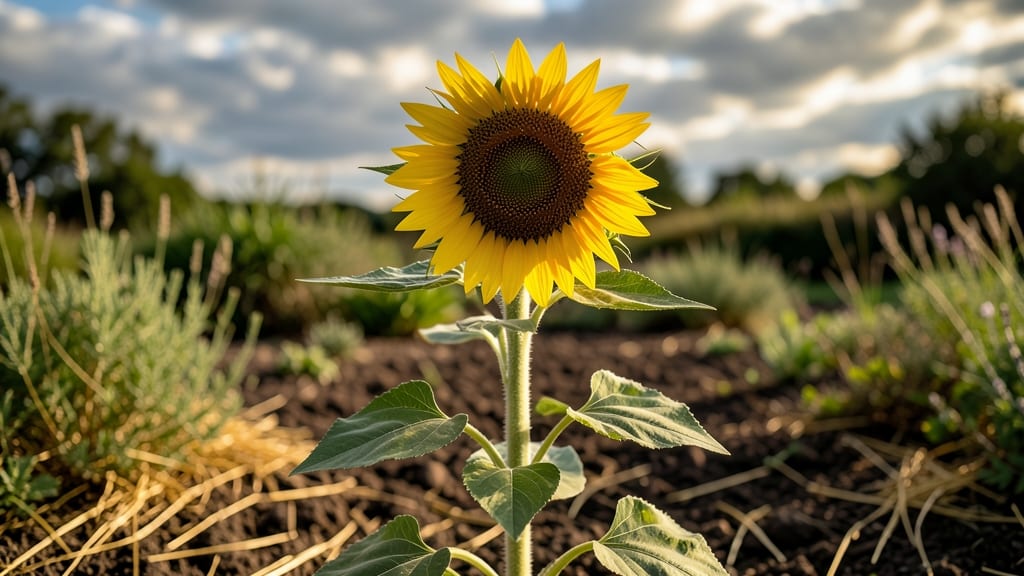
Sunflowers thrive best when you know how many hours of sun do sunflowers need—they demand 6 to 10 hours of direct sunlight daily to reach their towering, vibrant potential 🌻 — anything less and you’ll end up with leggy stems and sad, small blooms.
Picture this: you’ve just planted your seeds in April, full of excitement, only to watch them stretch toward the light like they’re begging for more. That’s your sunflower’s way of saying, "I need more sun!"—and it’s a clear sign you’re not giving them enough.
The good news? With the right light, your sunflowers will grow 8 to 14 feet tall, their faces tracking the sun like little solar panels.
But here’s the catch: too much scorching afternoon sun can turn those golden petals brown, while partial shade might leave you with underwhelming blooms. The key is finding that sweet spot—whether you’re in USDA Zone 6a or a warmer climate—and adjusting care as the seasons shift.
In this guide, I’ll break down exactly how much sun your sunflowers crave, how to spot light-related problems early, and practical tips to maximize their growth—no matter your garden’s sunlight situation.


Optimal sunlight hours for sunflowers: the science behind 6-10 hours of daily light
Sunflowers thrive under the brightest sunlight your garden can offer, but their energy needs shift dramatically from seedling to full bloom. The magic number? 6-10 hours of direct sunlight daily.
This range isn't arbitrary—it's rooted in how sunflowers convert photosynthesis into towering growth and vibrant blooms. Without enough light, they'll stretch weakly, while too much can bleach their petals.
At their core, sunflowers are heliotropic plants, meaning they follow the sun's path. This behavior maximizes their energy absorption through chlorophyll and carotenoids—the pigments that give them their iconic golden hue.
When light hits their leaves, it triggers a cascade of reactions that fuel everything from stem strength to seed production.
Here's the hard science: Sunflowers need full-spectrum sunlight (UV, visible, and infrared) to perform photosynthesis efficiently.
The 6-10 hour range accounts for: - Minimum 6 hours to sustain basic growth - 8-10 hours for maximum bloom size and seed development - Morning sun (6 AM–12 PM) being most critical for hydration - Afternoon sun (12 PM–6 PM) driving flowering
Regional variations matter more than you might think. In Southern climates (like Arizona or Florida), sunflowers can handle 10+ hours of sun due to intense light, but you'll need to water more frequently to prevent dehydration.
Meanwhile, in Northern regions (like Minnesota or Maine), 6-8 hours is ideal—any more risks sunburn on petals.
Light intensity also affects flower color. Darker hues (like deep reds) develop with strong afternoon sun, while pale yellows thrive in gentler morning light. This is why 'Autumn Beauty' sunflowers—known for their multicolored petals—often grow best in partial afternoon shade to balance their pigmentation.
For container-grown sunflowers, position pots on south-facing patios or use reflective surfaces (like white walls or mulch) to bounce extra light onto leaves. Even in full sun, rotate containers weekly to ensure even growth—sunflowers will lean toward the light source if left unchecked.
One common misconception is that more sun always means better. While sunflowers love light, intense afternoon heat (especially in summer) can scorch leaves and reduce bloom quality. In these cases, provide light afternoon shade (using shade cloth) while maintaining morning sun exposure.
To maximize your sunflowers' energy production, focus on leaf health—healthy leaves = more efficient photosynthesis. Keep soil moist but not soggy and fertilize with balanced NPK (10-10-10) during active growth. The result? Sunflowers that don't just survive in the sun—they thrive in it.
🌻
How to adjust sunflower care for partial sun or full shade conditions
If your garden only gets partial sun (3-6 hours of direct light) or full shade, don’t toss those sunflower seeds just yet! While they prefer 6-10 hours of sunlight daily, I’ve grown thriving sunflowers in shadier spots using clever tricks.
The key is adapting their care to compensate for light deprivation, from choosing the right varieties to strategic companion planting.
Sunflowers in low-light conditions often show tell-tale signs like leggy stems, pale petals, or smaller blooms. These aren’t just cosmetic issues—they signal your plants are stretching desperately toward any available light.
The good news? With the right adjustments, you can still grow sunflowers that bring joy to your garden, even if they won’t reach their full 10-foot height.
Before diving into solutions, let’s address the most common question: Can sunflowers grow in shade? The short answer is yes, but with limitations. Most varieties will produce smaller blooms or take longer to mature.
That said, some shade-tolerant sunflower varieties like 'Teddy Bear' or 'Moulin Rouge' handle partial shade better than standard types.
⚠️ Warning: Sunflower Light Deprivation Risks
Sunflowers need at least 4 hours of direct sunlight daily—any less and you’ll face:
- Leggy growth: Stems stretch too tall and weak
- Pale petals: Blooms lack vibrant color
- Small flower heads: Often under 4 inches
- Poor seed production: Fewer viable seeds form
🌱 Pro Tip: If your sunflowers show these signs, act fast—transplant them to a sunnier spot or use reflective surfaces to boost light exposure.
For gardens with partial sun, focus on maximizing light exposure through techniques like reflective mulch or mirrors placed near your plants. White gravel or light-colored mulch can reflect up to 30% more sunlight onto your sunflowers.
Pair this with dwarf varieties like 'Little Becka' (3-4 feet tall) that tolerate lower light better than giants.
In full shade conditions, consider container growing near a south-facing window or under a cloche to extend daylight. Move containers throughout the day to follow the sun’s path. If outdoor shade is unavoidable, prioritize nutrient-rich soil—sunflowers compensate for low light by demanding more energy from their roots.
Companion planting can also help. Place sunflowers near tall, leafy companions like corn or beans to create a microclimate that captures and redirects light. Avoid planting them under dense trees or structures that block light entirely.
Even in shade, keep soil consistently moist (1-2 gallons per plant weekly) since sunflowers can’t photosynthesize efficiently without adequate water.
Remember, even shade-grown sunflowers need bright, indirect light for at least part of the day. If your garden’s shade is deep and dark, consider swapping sunflowers for shade-tolerant alternatives like zinnias or marigolds that thrive with less light.
With these adjustments, you’ll still enjoy sunflowers that bring cheer—just with slightly smaller blooms and a touch more patience! 🌻