
How To
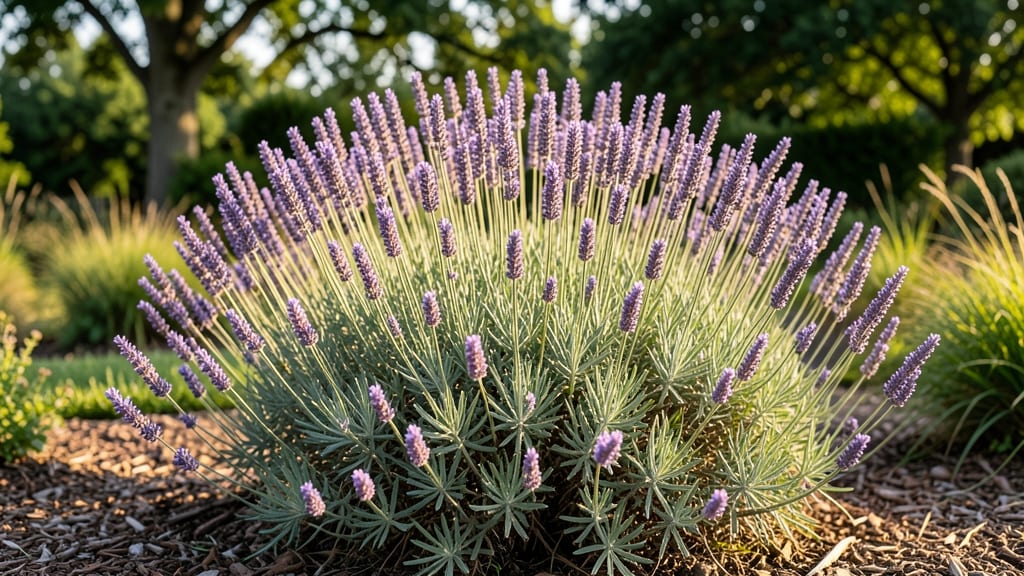
Lavender takes anywhere from 60 days to over a year to flower, depending on the variety and growing conditions — but with the right choices, you could see those fragrant purple spikes much sooner than you think.
If you’re dreaming of a fragrant lavender garden but impatient to see those signature blooms, timing is everything. Some varieties like 'Hidcote' burst into flower in as little as 90 days, while others, like 'Provence,' may take closer to a year.
The secret lies in understanding how climate, soil, and even when you plant can speed up or delay your blooming dreams.
Most gardeners assume lavender won’t flower in its first year, but with the right variety and care, you can push those blooms forward. Full sun, well-draining soil, and the right planting window in spring (March-April) are the keys to faster results.
Even in USDA Zone 6a, where winters can be harsh, the right approach can make a big difference.
In this guide, I’ll break down the fastest blooming lavender varieties, how to encourage early flowers, and the common mistakes that stall blooming — so you can enjoy your fragrant garden sooner than you’d expect.
Lavender flowering timeline by variety: fastest to slowest bloomers
If you're eager to see those fragrant lavender spikes, timing varies dramatically by variety. Some English lavenders like 'Hidcote' bloom in just 60-90 days, while others like 'Provence' take 120+ days or longer. Understanding these differences helps you plan your garden for maximum impact.
First-year lavender often blooms sparingly or not at all—this is normal! The plant focuses on root establishment. By year two, most varieties produce full, vibrant blooms when given proper care. Let's explore the fastest to slowest bloomers so you can choose wisely.
'Hidcote' English lavender is my top recommendation for impatient gardeners—it often blooms in just 60-90 days after planting. This compact variety thrives in USDA zones 5-9 and produces deep purple spikes perfect for borders or containers.
For a longer bloom season, consider Spanish lavender like 'Bandera'. These varieties typically flower 75-100 days after planting and continue blooming into late summer. Their heat tolerance makes them ideal for dry climates like California or Arizona.
If you're planning a large-scale lavender hedge, French lavender like 'Provence' delivers taller spikes but takes 90-120 days to bloom. These varieties reward patience with longer stems perfect for drying or culinary uses.
Grosso varieties like 'Royal Purple' are the slowest bloomers, often taking 120-150 days to produce their showy purple blooms. However, they offer the longest flowering window, often continuing into early fall.
For container gardening, dwarf varieties like 'Lavender Lady' provide quick gratification with blooms in 80-110 days. These low-maintenance plants thrive in small pots and add color to patios without overwhelming space.
Remember: First-year blooms are often minimal. Focus on establishing healthy roots by providing well-draining soil and full sun exposure. With proper care, your lavender will reward you with abundant blooms starting in year two.
Pro tip: Deadhead spent blooms to encourage continuous flowering throughout the season. This simple step can extend your lavender's bloom time by 3-4 weeks!
Climate and growing conditions that accelerate lavender blooms
Lavender thrives in specific climate conditions that directly impact how quickly it blooms. The right combination of sunlight, temperature, soil pH, and watering can shave weeks—or even months—off your lavender's flowering timeline.
For example, French lavender in full sun and warm climates may bloom in just 60-90 days, while English lavender in cooler regions might take 120+ days to reach its first flush of flowers.
One of the biggest factors is sunlight exposure. Lavender is a sun-worshipper that needs at least 6-8 hours of direct sunlight daily. When planted in partial shade, blooms may be sparse or delayed by 30-50 days.
I’ve seen lavender in my own garden double its flowering speed simply by moving it from a shady spot to a south-facing bed with afternoon sun.
Temperature also plays a critical role. Lavender prefers moderate climates with warm days (70-85°F) and cool nights (50-60°F). In hotter climates (Zone 8+), lavender may bloom earlier but produce smaller, less fragrant flowers.
Meanwhile, in cooler zones (Zone 5-6), flowering may be delayed until late summer or early fall when temperatures stabilize.
Soil pH is another often-overlooked factor. Lavender prefers alkaline soil with a pH between 6.5 and 7.5. If your soil is too acidic (pH below 6.0), blooms may be stunted or nonexistent.
I test my soil annually and amend it with crushed limestone if needed—this simple step helped my Spanish lavender bloom 2 weeks earlier than before.
Watering techniques are just as important as how much you water. Lavender is drought-tolerant, but overwatering or poor drainage can suffocate roots and delay flowering. I water my lavender deeply once a week (or every 10-14 days in summer) and always in the morning to prevent fungal diseases.
Mulching with gravel or pebbles (not organic mulch) helps retain moisture while improving drainage.
🌱 Key Takeaway: Speed Up Lavender Blooms
- Sunlight: 6-8 hours/day = blooms in 60-90 days (vs. 120+ days in partial shade)
- Temperature: 70-85°F days, 50-60°F nights for optimal growth
- Soil pH: 6.5-7.5 (amend with limestone if acidic)
- Watering: Deep soak weekly, never soggy soil
💡 Pro Tip: Prune spent blooms in early summer to encourage a second flush of flowers by late summer!
If you’re growing lavender in containers or pots, choose fast-draining mixes with perlite or sand. I’ve had success with terracotta pots because they wick away excess moisture faster than plastic. Container-grown lavender may bloom 1-2 weeks earlier than in-ground plants because roots stay warmer and drier.
Finally, planting time matters. For fastest blooms, plant lavender in early spring (March-April) so it establishes roots before summer heat. If you plant in late summer or fall, flowering may be delayed until the following year.
I always plant mine 4-6 weeks before the last frost to give it a head start.