
Planting
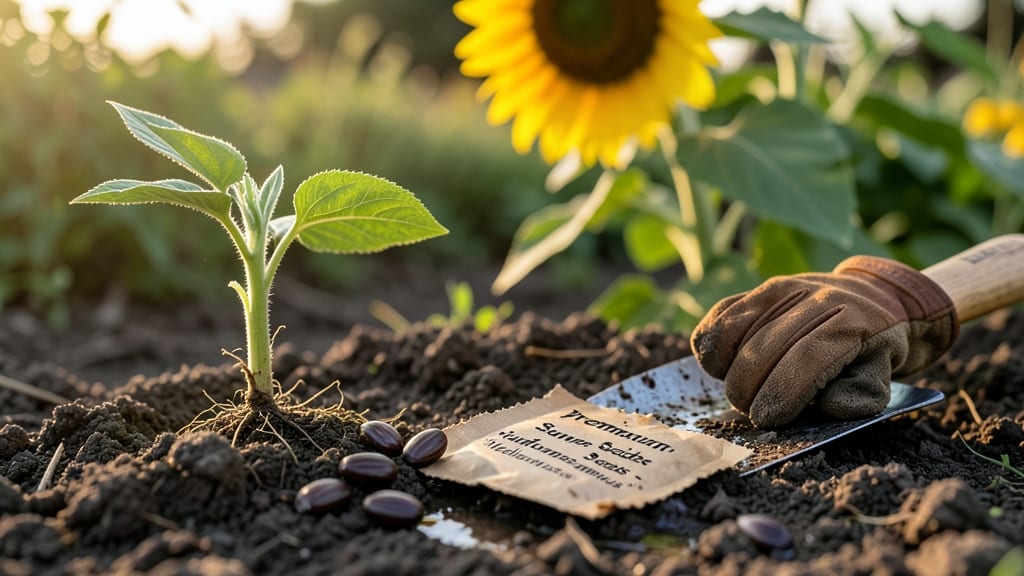
A sunflower seed takes 70 to 120 days to grow from sprouting to full bloom—a journey that turns a tiny seed into a towering 🌻 giant, if you get the timing right.
Watching a tiny sunflower seed transform into a towering, vibrant bloom is one of gardening’s most satisfying rewards—but timing everything right starts with knowing the exact stages and duration of growth.
From the first green shoot pushing through the soil to the moment the flower head turns golden, each phase depends on sunlight, soil warmth, and consistent care. Too little water or shade? Growth slows. Too much? Roots rot before the plant even reaches 3 feet.
Here’s what you need to know about the sunflower growth timeline, from germination to harvest, plus pro tips to speed up the process and ensure your plants thrive in USDA Zone 6a and beyond.


Sunflower growth stages: timeline from seed to germination and seedling
Understanding the sunflower germination timeline helps you create the perfect conditions for those first cotyledons to push through the soil. From the moment you plant your sunflower seeds until the seedling stage begins, patience and preparation are key.
This early phase—typically 3 to 14 days—sets the foundation for everything that follows, including those iconic yellow blooms you’re dreaming of.
Germination speed depends on three critical factors: soil temperature, moisture levels, and light exposure. Ideal conditions accelerate the process, while poor conditions can stretch it out for weeks.
For example, seeds planted in 60°F soil may take 10-14 days to sprout, but 75-85°F soil can cut that time to just 3-7 days. Let’s break down what happens day by day in this transformative phase.
| Stage | Duration | Key Actions | Optimal Conditions |
|---|---|---|---|
| Seed Planting | Day 0 | Plant 1 inch deep, 6 inches apart | Warm soil (60-85°F) |
| Germination | 3-14 days | Keep soil moist, avoid flooding | 70-85°F, indirect light |
| Radicle Emerges | Days 3-5 | Monitor for tiny white root | Consistent moisture |
| Shoot Pushes Up | Days 5-10 | Thin seedlings to 12 inches apart | Direct sunlight (6+ hours) |
| First Leaves (Cotyledons) | Days 10-14 | Transplant if needed | Well-draining soil |
| True Leaves Form | Days 14-30 | Fertilize lightly (10-20-10) | Full sun exposure |
During the germination phase, your sunflower seeds are working hard to break dormancy. The first visible sign is the radicle, a tiny white root that emerges downward into the soil. This happens within 3 to 5 days under ideal conditions.
If you’re impatient (we’ve all been there!), resist the urge to dig up the soil—this can damage the delicate root system. Instead, keep the soil consistently moist but not soggy, as excess water can suffocate the seed.
Once the radicle appears, focus on maintaining steady moisture and warmth. A soil thermometer is your best friend here—aim for 70-85°F. If your garden runs cooler, consider using a black plastic mulch to absorb heat.
Within 5 to 10 days, you’ll spot the shoot pushing upward through the soil. This is when excitement kicks in, but remember: light exposure is now critical. Move seedlings to a sunny spot or use grow lights if natural light is limited.
By day 10 to 14, your sunflower seedlings will unfurl their first pair of cotyledons—those little shield-shaped leaves that look nothing like the mature foliage. This is your cue to start thinning if you planted seeds too closely.
Leave the strongest seedlings 12 inches apart to give them room to grow. If you’re growing in containers, ensure they’re at least 6 inches deep to accommodate root development. This stage is also when you can introduce a balanced fertilizer (like 10-10-10) to support early growth.
Between days 14 and 30, you’ll notice a dramatic change as the true leaves emerge—these are the lance-shaped leaves that resemble adult sunflower foliage. This is the seedling stage, where your little plants are rapidly building their root systems and leaf canopy.
To encourage strong stems, avoid overwatering, which can cause
Critical factors that speed up or slow down sunflower growth
Sunflowers are fast growers, but their speed depends heavily on four critical factors: soil quality, watering consistency, sunlight exposure, and temperature ranges. Each of these elements can either accelerate your sunflower’s journey from seed to bloom or create frustrating delays.
Let’s break down how to optimize each one for the fastest, healthiest growth possible.
First, soil type plays a surprising role. Sunflowers thrive in loamy, well-draining soil with a pH between 6.0 and 7.5. Heavy clay soils slow down root development, while sandy soils dry out too quickly.
Amending your soil with compost or aged manure before planting gives roots the nutrients they need to establish quickly—think of it as giving your sunflower a running start.
⚡ Growth Speed Factors
✅ SPEED UP GROWTH
- Full sun (6+ hours) – Boosts photosynthesis
- Warm soil (70-85°F) – Speeds germination
- Deep watering (1-2x/week) – Prevents stress
- Loamy soil – Improves root expansion
- Balanced fertilizer (10-20-10) – Supports rapid growth
❌ SLOW DOWN GROWTH
- Partial shade – Reduces energy production
- Cold soil (<55°F) – Delays germination
- Inconsistent watering – Causes root stress
- Compacted soil – Restricts root growth
- Over-fertilizing – Burns tender roots
💡 Pro Tip: Test your soil’s moisture by squeezing a handful—if it crumbles easily, water is needed. If it stays clumped, wait a day.
Sunlight exposure is non-negotiable for sunflowers. These plants demand 6-8+ hours of direct sunlight daily to reach their full potential. Even a few hours of shade can stunt growth, causing stems to elongate weakly and flowers to bloom smaller. If you’re growing in containers or urban areas, place them in the sunniest spot available—south-facing windows or balconies work best.
Temperature ranges also dictate growth speed. Sunflowers grow fastest when daytime temperatures hover between 70-85°F. Cooler nights (<60°F) slow down growth, while extreme heat (>90°F) can cause bolting (premature flowering). In hot climates, provide afternoon shade with lightweight shade cloth to protect young plants without sacrificing too much light.
Finally, watering schedules make or break sunflower growth. Deep watering 1-2 times per week encourages strong root systems, while shallow, frequent watering leads to weak stems. Always water at the base of the plant in the morning to prevent fungal diseases.
Overwatering is just as harmful as underwatering—sunflowers are surprisingly drought-tolerant once established, so let the top inch of soil dry out between waterings.
By mastering these four factors, you’ll transform your sunflowers from slowpokes to speed demons. I’ve seen sunflower seedlings reach 6 feet in just 6 weeks when given ideal conditions—imagine the towering beauties you could grow with these tips! 🌻