
Blooming
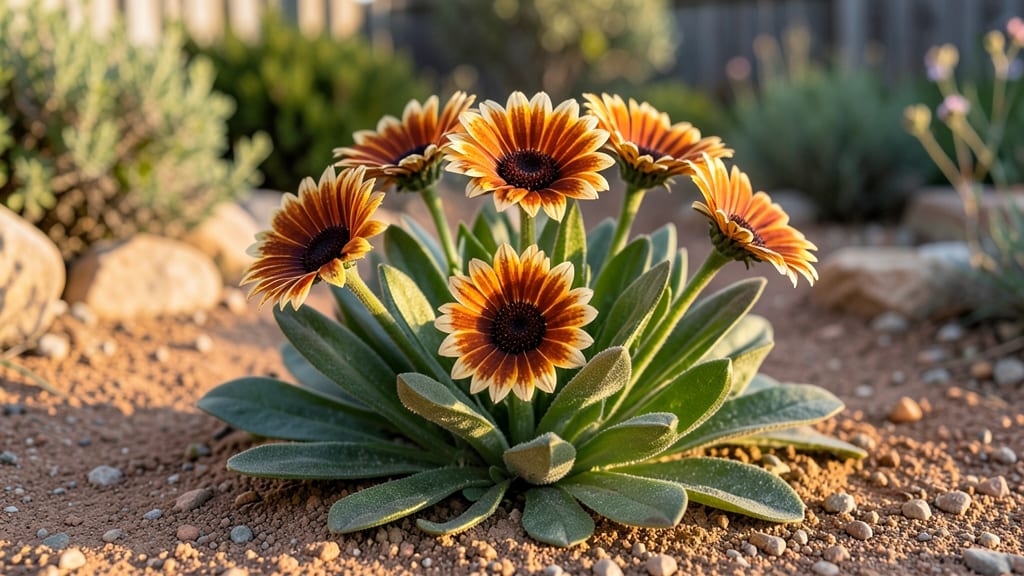
The gazania flower season is a fiery burst of color that turns your garden into a summer sunset 🌼 — and the key to unlocking their full potential lies in understanding their heat-loving habits.
If you love vibrant, sun-kissed blooms that refuse to wilt in the scorching heat, gazanias are your perfect summer companion—but timing is everything. These cheerful flowers don’t just survive summer; they thrive in it, bursting into color when most gardens are wilting.
For gardeners in USDA Zone 6a and warmer, the prime gazania bloom window stretches from late June through September, with some varieties even reblooming into early fall if you play your cards right.
But here’s the secret: they’re not just a summer fling—they’re adaptable enough to extend their show with the right care.
In this guide, I’ll break down when and where gazanias shine brightest, how to coax them into blooming longer, and the simple tricks to keep your sun-loving gazanias in peak form—no matter your climate.
When do gazanias bloom? Peak season, climate zones, and blooming patterns
Gazania flowers are the sun-loving superstars of late summer gardens, bursting into color when most plants are struggling. Their blooming cycle is tightly linked to temperature and daylight, making them perfect for USDA zones 8-11 where heat dominates.
In cooler climates, they still shine but may need a little extra care to extend their season.
These cheerful daisies typically bloom from late July through October, with peak performance in August and September. Their heat tolerance means they often outlast other summer flowers, continuing to thrive when temperatures stay above 70°F (21°C).
The key to their timing lies in daylight hours and warmth—they respond beautifully to long, sunny days.
| Region | Climate Type | Peak Bloom Months | Temperature Trigger | Notes |
|---|---|---|---|---|
| USDA Zones 8-11 (Desert) | Hot & Dry | June - November | 75°F+ (24°C+) | Year-round blooms possible with consistent heat |
| USDA Zones 8-11 (Coastal) | Warm & Humid | July - October | 70°F+ (21°C+) | May need afternoon shade in extreme heat |
| USDA Zones 7 & Below | Temperate | August - September | 65°F+ (18°C+) | Plant in containers for mobility |
| Southern Hemisphere | Summer-Dominant | December - March | 70°F+ (21°C+) | Inverse seasonality to Northern Hemisphere |
In desert climates, gazanias often bloom earlier and longer—sometimes from May through November—thanks to intense sunlight and minimal rainfall. The Sonoran Desert region, for example, sees gazanias thriving year-round in protected microclimates.
Meanwhile, coastal areas with mild summers (like Southern California) may experience slightly delayed blooming until late July.
For gardeners in USDA zones 7 and below, gazanias are typically annuals that bloom from mid-summer to fall. The first frost signals their decline, but you can extend their season by planting them in containers and moving them indoors before cold snaps.
In zone 7b, for instance, gazanias often bloom from August through October.
The Southern Hemisphere offers a fascinating contrast—gazanias bloom from December through March, mirroring our Northern Hemisphere summer. Regions like South Africa and Australia enjoy gazania displays during their peak summer months, with some varieties even flowering year-round in tropical zones.
This inverse seasonality makes gazanias a global favorite for sun-loving gardeners.
Temperature plays a critical role in triggering gazania blooms. These flowers require consistent warmth—typically above 65°F (18°C)—to initiate flowering. In cooler mornings (below 55°F/13°C), their growth slows, and blooms may close prematurely. This is why they thrive in desert landscapes where nights remain warm.
To maximize gazania blooms, deadhead spent flowers regularly to encourage continuous production. In hot climates, they may even rebloom after a brief rest if given consistent water and sunlight.
For container gardeners, using well-draining soil and placing pots in full sun positions ensures longer bloom cycles throughout the season.
If you're in a transition zone (like zone 7a), consider starting seeds indoors in late winter to give your gazanias a head start. By the time summer heat arrives, they'll be ready to burst into color and outperform many other annuals.
The earlier you plant, the longer you'll enjoy their cheerful displays.
Remember, gazanias are not frost-tolerant—even a light freeze will kill them back. In mild winter climates (like zone 9b), they may reappear in spring if
How to extend gazania flower season: pro tips for longer blooms
Gazanias are summer's unsung heroes—bright, cheerful, and heat-tolerant flowers that seem to bloom effortlessly. But with a few strategic tweaks, you can turn their 6-8 week display into a season-long spectacle.
The secret lies in understanding their natural rhythms and giving them just the right care at the right time.
Most gazanias naturally slow down in late summer as temperatures climb, but with proactive care, you can coax them into blooming well into early fall.
Whether you're growing them in garden beds, containers, or hanging baskets, these techniques will keep your gazanias looking fresh and vibrant.
🌼 5 Pro Tips to Extend Gazania Blooms
- 1. Master Deadheading – Snip spent blooms daily to prevent seed formation and redirect energy to new flowers. Use clean pruning shears and cut just above the foliage cluster.
- 2. Balance Soil Moisture – Water deeply every 3-4 days in summer, but avoid soggy soil. Gazanias hate wet feet—ensure pots have drainage holes.
- 3. Optimize Sunlight – Place in full sun (6+ hours), but shield from intense afternoon heat in zones 9-11 with light shade (e.g., lattice screens).
- 4. Feed Strategically – Use a balanced 5-10-10 fertilizer every 4-6 weeks during peak bloom (June-August). Skip fertilizing in fall/winter.
- 5. Winterize for Repeat Blooms – In USDA zones 8-10, cut back foliage by half in late fall, mulch lightly, and water sparingly. They’ll often rebloom in spring.
For container gardening, choose well-draining mixes with perlite or sand to prevent root rot. Elevate pots on feet or saucers to improve airflow and reduce moisture stress. A slow-release fertilizer at planting time can also extend blooms by 3-4 weeks.
In cooler climates (zones 6-7), treat gazanias as annuals and replant fresh seeds in late spring for a fresh burst of color. For year-round displays, mix early-blooming varieties (like 'Sundance') with late-season performers (like 'Tahiti').
With these simple adjustments, your gazanias will keep blooming until first frost, proving that longer seasons aren’t just for perennials. Happy gardening! 🌻