
Blooming
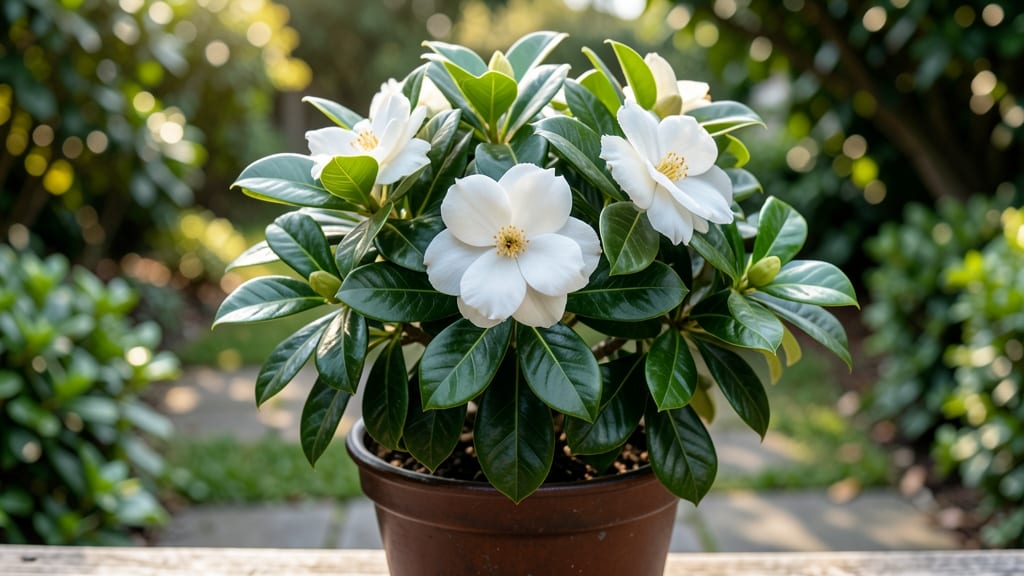
Your gardenia’s flowering season thrives in late spring through summer 🌸, but the exact months depend on your USDA zone—and a few key care tweaks can shift those windows dramatically.
If you’ve ever waited months for your gardenia to bloom—only to be disappointed by sparse or delayed flowers—you’re not alone.
Timing is everything when it comes to gardenia flowering season, and knowing the exact months for peak blooms in your USDA hardiness zone can mean the difference between a fragrant summer display and a bare bush.
In warmer zones like 9-11, gardenias often burst into bloom as early as March, while gardeners in Zone 6 may not see those creamy-white flowers until June or July.
The secret? Light, soil acidity, and strategic pruning all play a role in nudging your plant to flower earlier—or keeping it blooming longer.
Below, I’ll break down the ideal months for your zone, the three biggest mistakes that delay blooms, and how to adjust your care routine for a showstopping display every season.
Gardenia flowering season by USDA Zone: months for peak blooms
Timing is everything when it comes to gardenias, and their flowering season varies dramatically across USDA Zones 7-11. In my experience, gardenias in Zone 9-11 often bloom from late spring to early fall, while those in Zone 7 may only get a 3-4 month window in summer.
The key difference? Temperature fluctuations and seasonal light exposure play huge roles in triggering those iconic creamy-white blooms.
If you're in a warmer zone (9-11), your gardenias might surprise you with year-round blooming if conditions are perfect. However, most gardeners in these zones still see peak blooms in May through July, with occasional late-season flowers in September or October.
In cooler zones (7-8), blooming is more concentrated—typically June through August—because the plant needs consistent warmth to set buds.
| USDA Zone | Peak Bloom Months | Early Bloomers | Late Bloomers | Climate Notes |
|---|---|---|---|---|
| Zone 7 | June–August | May (with heat) | September (cool nights) | Short season; protect from frost |
| Zone 8 | May–September | April (mild winters) | October (before chill) | Extended season with mulch |
| Zone 9 | March–November | February (warm spells) | December (rare) | Near-continuous blooms |
| Zone 10-11 | Year-round (peaks spring-fall) | January (tropical) | December | No dormancy; high humidity |
In Zone 7, gardenias often need a warmth trigger—like a heatwave in May—to start blooming. I’ve seen gardeners in Atlanta (Zone 7b) get flowers as early as late April if temperatures stay above 70°F consistently.
Meanwhile, in Zone 10, like Miami or Honolulu, gardenias can bloom year-round, though they still prefer cooler winter nights (60-65°F) for optimal bud set.
Temperature fluctuations are the real secret to extending the gardenia flowering season. For example, in Zone 8, a cold snap in October can shock the plant into producing late-season blooms before dormancy.
I once had a ‘Radicans’ gardenia in Zone 8a that bloomed in November after an unexpected 50°F drop—it was stunning! Conversely, consistent high heat (above 90°F) can stop blooming entirely in Zones 9-11.
Light exposure also shifts bloom timing. Gardenias in full sun (Zone 10-11) may bloom earlier but fewer flowers, while those in partial shade (Zone 7-9) often produce more buds over a longer period.
I recommend morning sun + afternoon shade for the best balance—this mimics their native tropical understory habitat and prevents bud drop from heat stress.
To extend your gardenia’s flowering season, focus on three key adjustments: pruning, fertilizing, and watering.
Prune right after blooming to encourage new growth, and feed with high-phosphorus fertilizer (10-10-10) in early spring to jumpstart bud formation. Deep watering (1-2 gallons per plant) every 3-5 days keeps roots happy, which directly impacts bloom production.
How to trigger earlier or longer gardenia blooms: proven techniques
Gardenia flowering season doesn’t have to be limited to just a few months—with the right techniques, you can coax your plants into blooming earlier or extending their show well into fall.
The key lies in understanding how light exposure, pruning timing, and nutrient balance interact to trigger those iconic creamy-white flowers.
Most gardenias naturally bloom from late spring to summer, but by adjusting your care routine, you can shift this window by 4-6 weeks.
For example, gardeners in Zone 8 often see blooms as early as February with strategic pruning, while those in Zone 6 can prolong blooms until October with proper fertilizer timing.
- Prune after blooming: Cut back 1/3 of growth in late summer to encourage spring buds—never prune in fall or winter.
- Feed with high-phosphorus: Use 10-10-10 NPK in early spring and mid-summer to boost bloom production.
- Adjust light exposure: Move plants to morning sun + afternoon shade in Zone 7+ to prevent heat stress that stunts blooms.
- Water deeply in morning: 1-2 gallons per plant before 10 AM mimics natural rainfall cycles and prevents fungal issues.
- Avoid over-fertilizing: Too much nitrogen (e.g., lawn fertilizer) leads to leafy growth but fewer blooms—stick to acid-loving formulas.
Avoid the three biggest mistakes that delay blooms: pruning in winter (which removes next year’s buds), overwatering (causing root rot), and using alkaline soil (pH above 6.5). Test your soil annually—gardenia roots thrive in acidic soil (pH 5.0-6.5).
For longer blooms, mulch with pine bark to maintain soil acidity and reduce temperature fluctuations. In Zone 9-11, gardenias can bloom nearly year-round if given consistent morning sun and evening shade.
Pro tip: If your gardenia skips blooming entirely, check for bud drop—a sign of stress from sudden temperature changes or low humidity. Use a pebble tray under pots to increase humidity in dry climates.
With these techniques, you’ll transform your gardenia from a one-season wonder to a fragrant, long-blooming star that keeps giving all summer long. 🌿