
Flowers
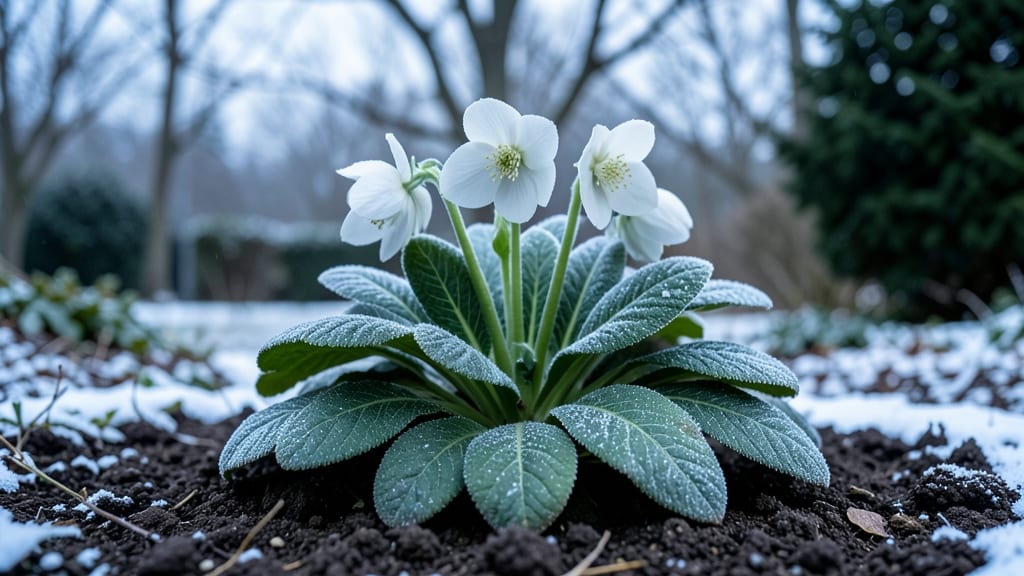
Are there flowers that bloom in winter? Yes—and they bring vibrant color to snowy landscapes, proving that frost doesn’t have to mean a dormant garden.
Picture this: a crisp December morning where your garden bursts with delicate yellow winter jasmine 🌸 or deep purple hellebores, their petals unfurling despite the chill. Most gardeners assume winter means bare branches, but these hardy plants defy expectations—some even flourish in USDA Zone 6a and beyond.
In this guide, you’ll discover 10 cold-resistant varieties that bloom from September through April, along with planting tips to ensure they thrive year after year. Whether you’re a seasoned gardener or a beginner, these flowers require minimal care and deliver maximum impact.
From soil prep to frost protection, we’ll cover everything you need to know to create a winter garden that stays lush, colorful, and low-maintenance—no matter how harsh the season gets.
Top 10 winter-blooming flowers that survive cold climates
Winter gardens don't have to be dull—hardy winter-blooming flowers bring vibrant color even when temperatures drop. These cold-resistant varieties thrive in USDA zones 3-8, offering cheerful blooms from late fall through early spring. Whether you're in a northern climate or high-altitude region, these plants defy frost with ease.
Many gardeners assume winter means no blooms, but these resilient flowers prove otherwise. From snowdrops that peek through snow to winter jasmine with golden cascades, each variety offers unique beauty. I've selected 10 frost-hardy flowers that deliver year-round interest with minimal maintenance.
Key factors for winter success include proper USDA zone matching, well-draining soil, and strategic planting locations. Most prefer partial shade to protect delicate blooms, though some like winter jasmine thrive in full sun. Let's explore these cold-hardy stars that turn winter into a garden highlight.
My top pick for early winter color is winter jasmine, which bursts with bright yellow blooms from late winter through spring. This climbing shrub thrives in USDA zones 6-9 and handles sub
How to create a winter garden: planting tips for year-round color
A winter garden thrives on the right plant combinations and soil preparation. Start by amending your soil with compost and organic matter to improve drainage—critical for preventing root rot in cold, wet conditions.
Aim for a slightly acidic to neutral pH (6.0-7.0), which suits most winter-blooming varieties like hellebores and winter jasmine.
Choose layered plantings to create visual interest. Pair evergreen shrubs (e.g., boxwood or holly) with winter bloomers like camellias or pansies. This combo ensures color even when some plants are dormant. Evergreens also provide windbreak benefits, protecting delicate blooms from harsh winds.
✨ 5 Essential Steps for a Thriving Winter Garden
- 🌱 Step 1: Soil Prep
Mix in compost and perlite for aeration. Test pH and adjust with lime or sulfur if needed. - 🌿 Step 2: Plant Selection
Pick USDA Zone 6+ hardy plants like winter aconite or snowdrops for early blooms. - 🪴 Step 3: Companion Planting
Pair hellebores with ferns or hostas to add texture and shade tolerance. - ❄️ Step 4: Frost Protection
Use mulch (3-4 inches) and frost cloth for delicate varieties like pansies. - 💧 Step 5: Watering Adjustments
Reduce watering in freezing temps but keep soil slightly moist—never soggy.
Timing is everything when planting winter blooms. For perennials like hellebores, plant in early fall (September-October) to establish roots before frost. Bulbs such as snowdrops should go in the ground by November, while annuals like pansies can wait until late October in milder climates.
Protect your winter garden from late-season frosts with simple tricks. Cover tender blooms with burlap or frost cloth at night, and remove it during the day. For container gardens, wrap pots in bubble wrap and move them to sheltered spots.
Even a layer of straw around the base of plants can insulate roots and prevent heaving.
Don’t forget to prune strategically in late winter (February-March) to encourage new growth. Remove dead or damaged stems from plants like winter jasmine, but leave seed heads on ornamental grasses for winter interest.
A light fertilizer application (10-10-10) in early spring will give blooms the boost they need for a prolonged display.
With the right plant pairings and protective measures, your winter garden will stay vibrant until spring—proving that cold weather doesn’t have to mean colorless landscapes. Start small, experiment with a few hardy varieties, and watch your garden become a year-round sanctuary.