
Shrubs
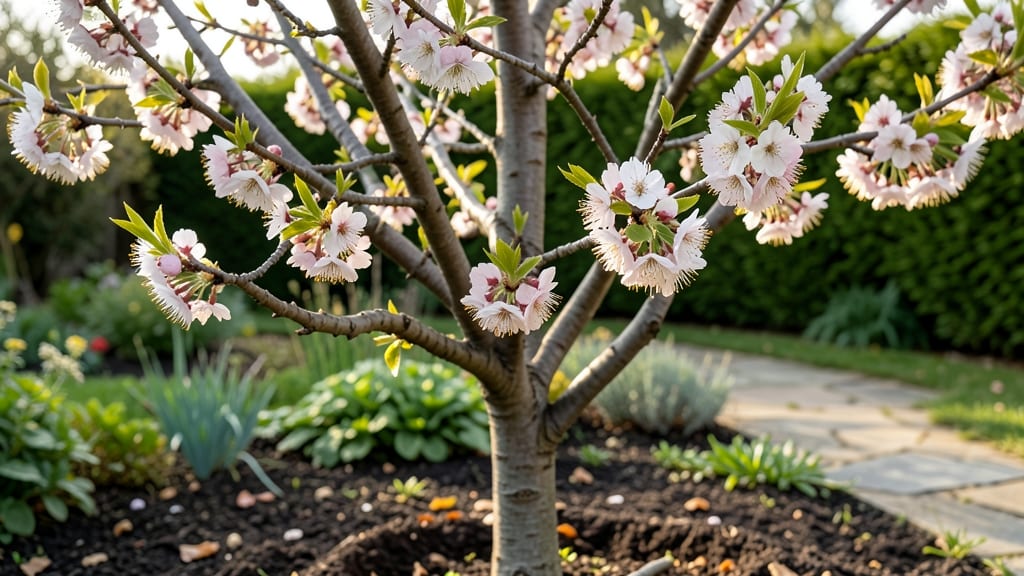
A flowering almond’s mature size—typically 8 to 12 feet tall—determines whether your garden gets a showstopping spring display or a fight for space with other plants.
Struggling to get your flowering almond tree to burst into vibrant, full-bloom glory? The secret often lies in proper spacing—too close, and you’ll battle for nutrients; too far, and you’ll miss the lush, fragrant display you crave.
This medium-sized shrub thrives when planted 6 to 10 feet apart, giving roots room to spread while keeping branches airy for maximum blooms. In smaller gardens, dwarf varieties stay compact, but even they need 4 to 6 feet of clearance to avoid overcrowding.
Below, I’ll walk you through spacing rules, pruning tips to control growth, and how to pick the perfect spot for a flowering almond that steals the show every spring.


Flowering almond tree size and spacing requirements for optimal growth
If you’ve ever admired a flowering almond tree in full bloom and wondered how to recreate that stunning display in your own yard, the answer starts with proper spacing.
These trees—technically a shrub or small tree—can reach 8 to 12 feet tall with a spread of 6 to 10 feet at maturity. Giving them room to thrive isn’t just about aesthetics; it’s about ensuring nutrient access, air circulation, and abundant blooms every spring.
Flowering almonds (Prunus triloba) are prized for their fragrant pink and white flowers that appear before leaves emerge, creating a breathtaking early-spring spectacle. However, their growth habits and root spread often get overlooked.
In USDA zones 7-10, where these trees thrive, spacing requirements can vary slightly based on climate and soil conditions. Let’s break down the essentials to set your tree up for success.
When planting a single flowering almond tree, aim for at least 10–12 feet of space around it to accommodate its mature spread. This ensures the tree has enough room to develop a strong root system and canopy without crowding other plants or structures.
In USDA zone 7, where winters can be colder, spacing slightly wider (up to 15 feet) helps prevent winter damage from compacted soil.
For multiple trees, maintain a distance of 12–15 feet between each plant. This spacing is crucial for air circulation, which reduces the risk of fungal diseases like powdery mildew—a common issue in humid climates like zone 9 or 10.
If you’re creating a hedgerow or privacy screen, dwarf varieties spaced 8–10 feet apart will still create a lush, flowering barrier without overwhelming your landscape.
One of the most common mistakes gardeners make is underestimating the root spread of flowering almonds. While the above-ground growth might seem manageable, the roots can extend 3–4 feet deep and spread just as far horizontally.
Planting too close to sidewalks, driveways, or foundations can lead to root damage or even structural issues over time. Always dig a hole twice as wide as the root ball but no deeper than necessary.
In containers, flowering almonds can thrive as long as you choose a dwarf variety and use a pot at least 18–24 inches in diameter. However, container-grown trees will still need annual pruning to control size and regular fertilization to compensate for limited root space.
If you’re growing in a pot, place it where it gets full sun and protect it from winter winds in colder zones.
Pruning plays a key role in managing the size and shape of your flowering almond. After the tree finishes blooming in late spring, remove any dead or crossing branches to improve airflow. To encourage a
How to determine flowering almond size for your landscape or container
Determining the right flowering almond size for your space is key to maximizing those stunning pink and white blooms while keeping your tree healthy. Whether you're planning a landscape feature or a container garden, size matters—too small, and your tree will feel cramped; too large, and it won’t thrive.
The standard flowering almond typically reaches 8-12 feet tall with a spread of 6-10 feet, but dwarf varieties stay between 6-8 feet tall, making them perfect for smaller yards or containers.
Before planting, measure your space carefully. For a single flowering almond in the ground, aim for at least 10 feet of clearance in all directions to allow for root spread and airflow. If you’re planting multiple trees, space them 12-15 feet apart to avoid competition for nutrients and sunlight.
In containers, choose a pot that’s at least 24 inches in diameter and depth to accommodate the root system without restricting growth.
Soil depth is another critical factor. Flowering almonds have deep taproots, so ensure your planting site has at least 18-24 inches of loose, well-draining soil. If you’re growing in containers, use a high-quality potting mix with perlite or sand to prevent waterlogging.
Poor drainage can lead to root rot, which stunts growth and reduces blooms. Test your soil’s drainage by digging a hole and filling it with water—if it drains within 30 minutes, your soil is ideal.
🌸 Flowering Almond Size Quick Guide
| Type | Mature Height | Mature Spread | Ideal Spacing |
|---|---|---|---|
| Standard | 8-12 ft | 6-10 ft | 10-12 ft apart |
| Dwarf | 6-8 ft | 4-6 ft | 6-8 ft apart |
| Container | 6-10 ft (pruned) | 3-5 ft | 24"+ pot diameter |
✂️ Pro Tip: Prune dwarf varieties annually to maintain shape and encourage dense blooming.
Sunlight exposure is just as important as space. Flowering almonds thrive in full sun (6+ hours daily), so choose a location where they’ll receive unobstructed sunlight. In containers, place them near a south-facing window or in a sunny patio spot.
If your tree isn’t getting enough light, its growth will slow, and blooms will be sparse. Watch for yellowing leaves or stunted branches—these are signs your tree needs more sunlight.
Pruning plays a huge role in controlling size and promoting blooms. For standard varieties, prune in late winter or early spring before new growth begins. Remove any dead or crossing branches and thin out the center to improve airflow.
For dwarf varieties, prune lightly after flowering to maintain their compact shape. Avoid heavy pruning, as flowering almonds produce blooms on old wood, so cutting back too much can reduce next year’s flowers.
If you’re growing your flowering almond in a container, plan for regular pruning to keep it manageable. Containers limit root growth, so your tree will naturally stay smaller, but you’ll still need to prune to encourage bushier growth and more blooms.
Use a balanced fertilizer in early spring to support healthy growth, and repot every 2-3 years to refresh the soil and provide more room for roots.
With the right space, sunlight, and pruning, your flowering almond will reward you with years of vibrant blooms. Start by measuring your space, choosing the right variety, and giving your tree the care it needs to thrive. Happy gardening! 🌿