
Shrubs
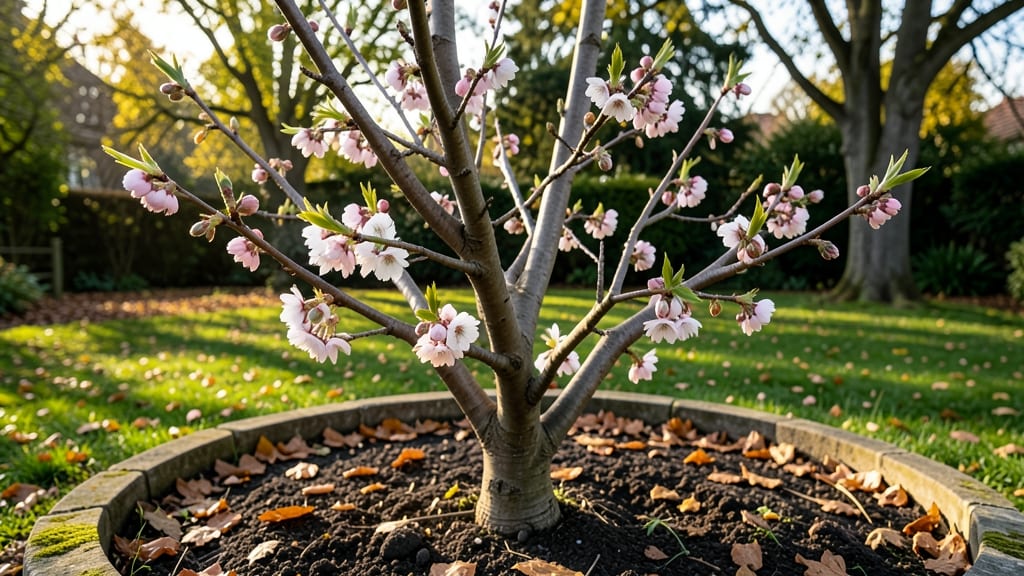
Growing a flowering almond hedge 🌸 turns your yard into a fragrant springtime showstopper, but without the right pruning, those pink blooms can disappear faster than you think.
Picture this: your hedge bursting with fragrant blossoms in March, then fading into a tangled mess by summer if you don’t know when to trim. The key isn’t just cutting back—it’s understanding how to shape it for maximum blooms while keeping its natural beauty.
In this guide, I’ll walk you through the exact pruning schedule that keeps your flowering almond hedge thriving year-round, from early spring blooms to fall color. No more guesswork—just lush, vibrant growth that turns heads in your neighborhood.
You’ll learn how to avoid the three biggest pruning mistakes that ruin hedges, when to feed for stronger blooms, and why this shrub outperforms boxwoods or privet for seasonal interest. Let’s get started.
Flowering almond hedge pruning calendar: when and how to trim for maximum blooms
A flowering almond hedge (Prunus triloba) bursts with fragrant pink blossoms in spring and maintains year-round interest with its peeling bark. But to keep it lush and blooming prolifically, seasonal pruning is essential.
Unlike evergreens, flowering almonds respond best to timed cuts that encourage dense growth while preserving their signature blooms.
Pruning at the wrong time can reduce next year’s flowers or leave your hedge looking sparse and leggy. My 12-month pruning calendar breaks down when to trim, what tools to use, and the exact techniques to maintain a healthy, vibrant hedge that stays compact yet full of blossoms.
🌱 Seasonal Pruning Schedule for Flowering Almond Hedges
Prune after the last frost (typically February in Zone 6a) to remove dead or diseased branches. Cut back overgrown stems by 1/3 to encourage new growth for spring blooms.
Avoid heavy pruning now—blooms form on old wood. Instead, shape lightly by trimming only stray branches that disrupt the hedge’s form. Remove crossing branches to improve airflow.
After flowers fade, remove spent blooms to redirect energy to foliage. Trim only to maintain shape—never cut back more than 20% of the hedge to avoid stunting growth.
Focus on removing water sprouts (shoot-like growth) and thinning dense areas for airflow. Avoid heavy pruning—summer cuts can delay fall color and reduce next year’s blooms.
Prune after leaf drop (late October) to refine the hedge’s shape. Cut back overly long branches by 1/2 to encourage compact growth before winter dormancy.
For young hedges (under 3 years old), focus on establishing structure. Prune only to remove dead wood in late winter, then avoid heavy cuts until they’re fully rooted.
Mature hedges (3+ years) can handle annual shaping, but never cut into old wood—this removes next year’s flowering potential.
Use sharp, clean tools—bypass pruners for small branches and hedge shears for shaping. Disinfect blades between cuts with rubbing alcohol to prevent disease spread. Always cut at a 45-degree angle just above a leaf node to encourage healthy regrowth.
If your hedge looks bare or leggy, it’s likely over-pruned. Revive it by reducing future cuts and fertilizing lightly in spring with 10-10-10. Over time, it’ll bounce back with denser foliage and more abundant blooms.
Pro tip: Prune in layers—start with overgrown branches, then shape the outer edges, and finally thin out the center for airflow. This 3-step approach keeps your hedge uniform and healthy while maximizing springtime blossoms. ☀️✂️🌸
Common pruning mistakes that kill your flowering almond hedge’s beauty
Your flowering almond hedge can transform any garden into a fragrant pink paradise—but only if you prune correctly. Many gardeners unintentionally sabotage their hedge’s health with simple mistakes that reduce blooms and weaken growth. The key is understanding when and how to prune while avoiding these common pitfalls.
One of the biggest errors is pruning at the wrong time. Unlike evergreens, flowering almonds bloom on old wood, meaning cuts made after spring blooms remove next year’s flowers. Timing is everything—learn the seasonal pruning window that keeps your hedge thriving without sacrificing those signature blossoms.
⚠️ callout warning ⚠️
🚨 3 Mistakes That Ruin Your Hedge
- Over-pruning: Cutting more than 30% of growth in one session stresses the plant and reduces blooms.
- Wrong timing: Pruning after spring blooms removes next year’s flower buds.
- Neglecting deadheading: Letting spent blooms linger drains energy from new growth.
Fix these issues now to restore your hedge’s pink blossom spectacle and dense foliage.
Another critical mistake is cutting too aggressively. Flowering almonds are resilient, but over-pruning weakens their structure and delays recovery. Aim to remove only 1/3 of the plant’s growth per year, focusing on shaping rather than drastic reductions. This approach maintains the hedge’s natural form while encouraging robust blooming.
Don’t forget the importance of deadheading spent blooms. While it may seem counterintuitive, removing faded flowers redirects the plant’s energy toward new growth and next year’s buds.
Use clean, sharp pruners to snip just above the first set of leaves beneath each bloom cluster. This simple step keeps your hedge looking tidy and promotes healthier foliage.
If your flowering almond hedge has already suffered from poor pruning, don’t despair. Start by lightly shaping in early spring before buds swell, and avoid heavy cuts. Apply a balanced fertilizer (10-10-10) to support recovery, and water deeply at the base.
With patience, your hedge can bounce back and reward you with vibrant pink blossoms for years to come.
For best results, prune your flowering almond hedge in late winter or early spring, just as buds begin to form. This timing ensures you’re not removing potential blooms while still shaping the hedge for the growing season ahead.
Pair this with regular deadheading throughout spring and summer to maintain its beauty.