
Light Requirements
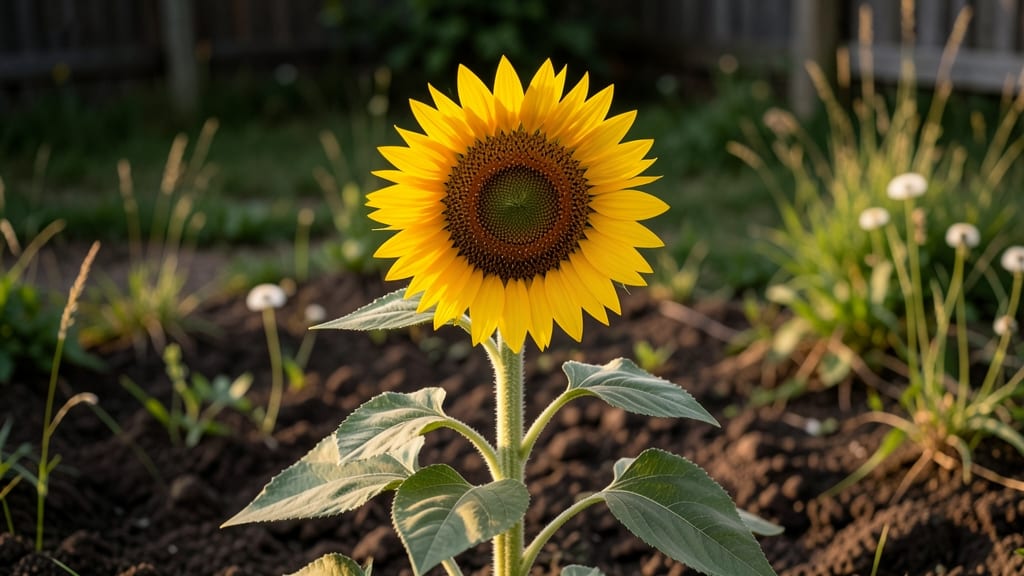
Sunflowers need sunlight more than almost any other garden plant — at least 6 hours of direct rays daily to grow those towering 🌻 stalks you love.
If your sunflowers are wilting or failing to grow tall, sunlight might be the missing ingredient—these giants of the garden demand more than just good intentions to thrive. Without enough light, they stretch leggy and weak, never reaching their full 10-foot potential.
In USDA Zone 6a, where spring planting kicks off in April, place your sunflowers in the sunniest spot possible. A south-facing patch gets the most hours, but even east or west exposures work if they’re fully exposed from morning to afternoon.
Below, I’ll break down exactly how much sun sunflowers crave, what happens when they don’t get enough, and how to tweak your garden layout for maximum sunlight—so your sunflowers grow tall, strong, and ready for harvest by July.


Sunlight requirements for sunflowers: how many hours are essential?
Sunflowers are the undisputed superstars of the garden, but their towering growth and vibrant blooms come with a non-negotiable requirement: sunlight. These plants are heliotropic, meaning they follow the sun’s movement throughout the day.
Without adequate light, they’ll struggle to reach their full potential—sometimes growing leggy and weak instead of strong and sturdy. If you’re dreaming of sunflowers that dwarf your fence or grace your dinner table, understanding their sunlight needs is your first step to success.
The minimum sunlight requirement for sunflowers is 6 hours of direct sun daily, but this is just the baseline. For the healthiest growth and largest blooms, aim for 10 to 12 hours of sunlight per day.
Think of it like feeding a growing child: they’ll survive on table scraps, but they’ll thrive on a balanced meal. Sunflowers are no different—they’ll grow, but they won’t shine (literally) without enough light.
Here’s the hard truth: sunflowers in partial shade or dappled sunlight will produce smaller blooms, weaker stems, and may even fail to flower at all. Shadows from trees, buildings, or even nearby plants can severely limit their growth potential.
If your garden is shaded for more than 4 hours a day, you’ll need to get creative—like choosing dwarf varieties or supplementing with grow lights.
| Sunlight Requirement | Daily Hours Needed | Growth Impact | Ideal Conditions |
|---|---|---|---|
| Minimum | 6 hours | Survival only; weak stems, small blooms | Partial shade tolerance (e.g., morning sun) |
| Optimal | 8-10 hours | Healthy growth, medium-sized blooms | Full sun with afternoon shade in hot climates |
| Ideal | 10-12 hours | Tallest stems, largest blooms, full potential | South-facing location, no obstructions |
| Deficient | <4 hours | Leggy stems, no flowering, poor health | Avoid; supplement with grow lights |
Seasonal adjustments are key to keeping your sunflowers happy. In spring and fall, when days are shorter, you might see slower growth, but they’ll still thrive with 6+ hours of sun. However, during summer’s long days, sunflowers can handle—and even benefit from—12+ hours of sunlight.
If you’re in a hot climate, providing afternoon shade can prevent heat stress while still ensuring they get their required light.
Location matters just as much as duration. Plant your sunflowers in the sunniest spot in your garden, ideally facing south in the Northern Hemisphere. This ensures they capture the most sunlight throughout the day.
Avoid areas where trees, fences, or buildings cast deep, long shadows—even 2-3 hours of shade can reduce bloom size by up to 50%. Pro tip: Observe your garden’s sunlight patterns throughout the day before planting to pick the perfect spot.
If your garden lacks natural sunlight, don’t despair—grow lights can save the day. A full-spectrum LED grow light placed 12-18 inches above your sunflowers for 12-14 hours daily can mimic sunlight and encourage robust growth.
This is especially useful for container gardening or indoor growing. Just remember: grow lights should supplement, not replace, natural sunlight entirely.
For container growers, choose smaller sunflower varieties like 'Teddy Bear' or 'Moulin Rouge,' which tolerate slightly less light but still need at least 6 hours of sun. Place pots on a sunny patio, balcony, or deck where they can soak up rays.
Rotate containers every few days to ensure even growth, as sunflowers will lean toward the light source.
Finally, monitor your sunflowers’ progress and adjust their placement as needed. If you notice pale leaves, weak stems, or delayed blooming, it’s a clear sign they’re not getting enough light. Move them to a sunnier spot immediately—sunflowers are forgiving but not patient.
With the right amount of sunlight, you’ll be rewarded with stunning blooms that turn heads and a garden that feels like a sun-soaked paradise.
Sunlight isn’t just a requirement for sunflowers—it’s their lifeline. Treat it like the elixir of life for these giants, and they’ll repay you with heights that touch the sky and blooms that brighten your world. 🌻
Signs your sunflowers aren’t getting enough sunlight (and how to fix it)
Sunflowers are sun-worshippers—they crave bright, direct light to reach their towering potential. When deprived, they send clear distress signals that even novice gardeners can spot. The most obvious clue? Your once-straight stems now look like spaghetti strands, stretching wildly toward any available light source.
Beyond leggy growth, watch for pale, yellowing leaves that lose their deep green vibrancy. These plants may also bolt prematurely, producing tiny, underdeveloped blooms instead of the showstopping sunflowers you planted for.
Even their flower formation slows dramatically, leaving you with a garden full of leafy stalks instead of cheerful faces.
⚠️ WARNING: Sunlight Deficiency in Sunflowers ⚠️
- Leggy stems (over 6" apart from base to first leaf)
- Pale leaves (yellowing or chlorotic)
- Delayed blooming (taking 3+ weeks longer than expected)
- Small, weak flowers (under 4" diameter)
To diagnose the problem, track sunlight exposure for 24 hours. Use a sunlight tracker app or simple chalk marks to note when shadows fall. If your sunflowers receive less than 4 hours of direct sun daily, they're in sunlight starvation. Even partial shade (30-50% sunlight) can stunt growth by 30-50% compared to full sun.
Fixing the issue starts with relocation. If possible, transplant sunflowers to a south-facing location where they'll receive unobstructed morning-to-afternoon sun. In containers, move pots to sunnier spots like patios or balconies. For permanent garden beds, prune nearby trees or remove obstructions like fences that cast long shadows.
When relocating isn't an option, boost light exposure with reflective surfaces. Place white gravel or mirror panels near your sunflowers to bounce extra light onto leaves.
For indoor growers, LED grow lights (12-16 hours/day) can compensate, though they won't replace natural sunlight entirely. Position lights 6-12 inches above plants for best results.
As a last resort, choose dwarf varieties like 'Teddy Bear' or 'Moulin Rouge' that tolerate partial shade better than standard types. Even these need at least 4 hours of direct sun, but they'll produce smaller, more manageable blooms in low-light conditions.
For maximum height and vigor, though, full sun remains non-negotiable—your sunflowers will thank you with taller stems and bigger blooms by summer's end. 🌻