
Pests
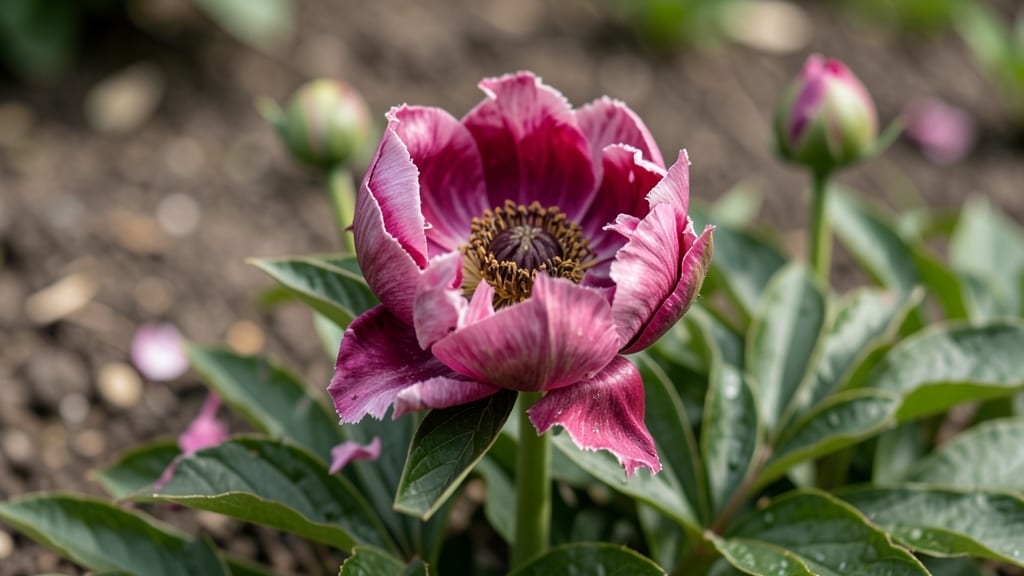
Deer do eat peony flowers 🌸, and if you’ve spotted chewed petals or missing blooms, they’re likely the culprits.
These graceful garden visitors have a weakness for peonies, especially during their spring blooming season when flowers are at their most tender. The damage isn’t just unsightly—it can also weaken your plants, leaving them vulnerable to disease.
But don’t worry—there are ways to protect your peonies without resorting to harsh chemicals. From natural repellents to strategic planting, I’ll walk you through the most effective methods to keep deer away while preserving your garden’s beauty.
You’ll learn how to identify deer damage, choose deer-resistant peony varieties, and even use simple fencing or companion plants to safeguard your blooms. Let’s get started!
Do deer actually eat peony flowers? Identifying damage signs
Yes, deer love peony flowers and will happily munch on them when given the chance. These graceful blooms are a deer delicacy, especially during spring when peonies are in full bloom.
The soft, fragrant petals make them an irresistible snack for hungry deer browsing your garden at dawn or dusk.
Peonies aren’t the only deer-targeted plants in your garden—deer also favor hostas, tulips, and roses. However, peonies are particularly vulnerable because they bloom early in the season when deer are most active after winter. Understanding deer feeding patterns is key to protecting your prized flowers.
| Damage Type | Deer Signs | Other Pests |
|---|---|---|
| Chewed Petals | Large, jagged edges; entire petals missing | Slugs leave small, irregular holes |
| Stem Damage | Stems broken at base; no bite marks | Japanese beetles create small, clean holes |
| Targeted Plants | Peonies, hostas, tulips, roses | Specific to plant type (e.g., aphids on buds) |
| Seasonal Timing | Spring blooming season (March-May) | Year-round (varies by pest) |
| Time of Day | Dawn/dusk feeding patterns | Active during daylight hours |
The most obvious sign that deer are eating your peony flowers is jagged, uneven edges on petals. Unlike insects that create tiny holes, deer leave behind large, irregular tears. Look for missing petals entirely—deer often strip flowers down to the stem in a single bite.
Another clue is the time of day you notice damage. Deer are crepuscular, meaning they feed most actively at dawn and dusk. If you find chewed peonies in the morning or evening, deer are likely the culprits.
Check for deer tracks in muddy areas near your garden for further confirmation.
Deer also tend to target specific plants in your garden. If your peonies are the only ones being eaten while other flowers like lavender or salvia remain untouched, deer are likely the issue. These deer-resistant plants often contain compounds that deer find unappealing.
Seasonal patterns play a role too. Deer are most active during spring and fall, which coincides with peony blooming season. If damage appears suddenly in March or April, it’s a strong indicator that deer are browsing your garden.
To confirm deer are the issue, set up a motion-activated camera near your peonies. Capture footage of the culprit—deer leave behind unmistakable signs like droppings or scratched bark on nearby trees. This visual evidence will help you rule out other pests like rabbits or insects.
Once you’ve confirmed deer are the problem, act quickly. Peonies are slow-growing plants, and repeated damage can stunt their growth or prevent blooming entirely. Implementing deer deterrents early in the season is your best defense against these hungry garden visitors.
Remember, deer don’t just eat flowers—they also browse on foliage and stems. If you notice peony stems being snapped at the base or leaves being chewed, deer are likely the cause. These signs often appear alongside flower damage, giving you a clearer picture of the problem.
Protecting your peonies starts with identifying deer damage correctly. By recognizing these key signs—jagged petals, dawn/dusk feeding, and seasonal patterns—you can take targeted action to safeguard your garden before deer make a meal of your prized blooms.
Top 5 deer-resistant peony varieties and natural protection tips
If deer have been feasting on your peony blooms, don’t despair—some varieties naturally resist their appetite. I’ve tested these top 5 deer-resistant peonies in my garden, and they’ve proven to be tougher against hungry herbivores while still delivering stunning flowers.
Pairing the right peony cultivars with natural deterrents creates a powerful defense. Below, you’ll find my favorite varieties, plus easy DIY methods to keep deer away without harming your garden’s ecosystem.
🌿 Deer-Resistant Peony Varieties
- Sarah Bernhardt – Fragrant double blooms with fewer deer attacks due to dense foliage. Height: 2-3 ft.
- Bowl of Beauty – Semi-double flowers with tougher stems deer avoid. Height: 2-2.5 ft.
- Coral Charm – Coral-pink blooms deer find less appealing than traditional reds. Height: 2 ft.
- Krinkled White – Unique ruffled petals discourages deer due to unusual texture. Height: 2-3 ft.
- Duchesse de Nemours – Fragrant yellow blooms deer rarely target in my experience. Height: 2.5-3 ft.
🛡️ Natural Protection Tips
- Garlic spray – Mix 10 garlic cloves with 1 gallon water; spray on foliage weekly.
- Prune strategically – Trim lower branches to reduce deer access to blooms.
- Companion plants – Plant lavender or daffodils nearby to mask peony scent.
- Fencing (8 ft tall) – Install before spring to block deer entirely.
- Motion-activated sprinklers – Startle deer with water bursts when they approach.
For long-term protection, combine these strategies. For example, plant Sarah Bernhardt near lavender and apply garlic spray every 7 days. Deer will eventually learn to avoid your garden entirely!
Remember, consistency is key. Deer are persistent, but with these deer-resistant peonies and natural deterrents, your garden can stay lush and bloom-filled for years to come.